How Evidence Can Strengthen a Car Accident Injury Claim
A claim for injuries arising from a car accident requires evidence that can withstand scrutiny. While symptoms like pain, stiffness, and reduced function are important, decision-makers primarily focus on records that link them to the crash. Evidence should show how the accident occurred, what injuries were sustained, and how it has impacted daily life. When those details fit together, the claim carries more force, and settlement talks are grounded in facts.
Early Proof
The initial hours after a crash often shape the claim. Tire marks fade, debris is cleared, and memories can become unreliable quicker than most people expect. Many injured drivers work with a car accident lawyer in Vegas after taking photographs and basic notes, because early direction from them can preserve key records and prevent gaps.
Photographs From the Scene
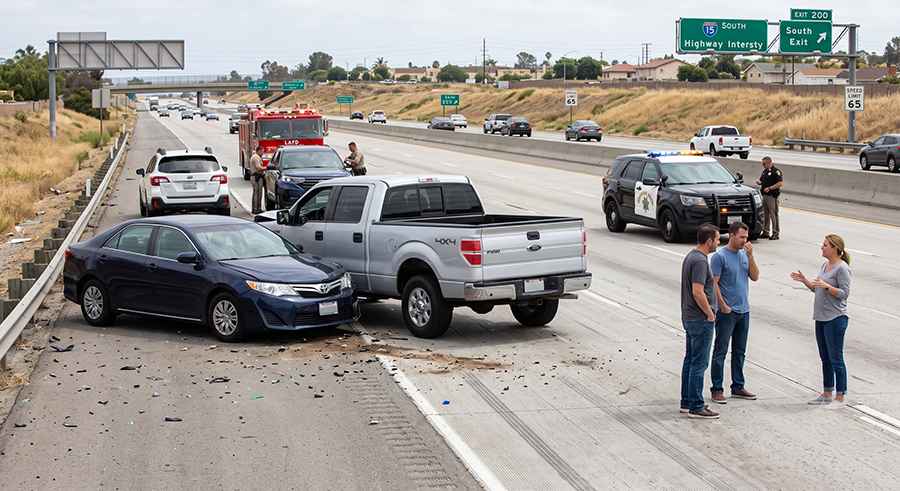
Wide shots should show the lane layout, traffic signals, shoulder space, and sight lines. Close images should capture crushed panels, shattered lamps, glass spread, and scrapes on pavement. Those visual details may help connect body positioning with injuries like neck strain, chest bruising, or knee trauma. Accurate timestamps, weather notes, and location markers add useful context.
Police Report
A police report provides an external account of the event. Officers often record driver statements, witness contact details, road conditions, vehicle placement, and any citations issued at the scene. Insurers usually review this document early. It does not settle every dispute, but it can be used to establish a reliable timeline. Any factual error should be corrected promptly.
Medical Records
Medical records create the clearest link between the collision and bodily harm. Emergency notes may document symptoms such as tenderness, swelling, headaches, numbness, limited range of motion, or altered gait. Imaging can reveal fractures, disc changes, or soft-tissue irritation. Follow-up visits are important because healing takes time. Consistent treatment helps demonstrate that symptoms persisted and required ongoing care.
Bills and Losses
A claim needs measurable losses. Hospital invoices, therapy charges, prescription receipts, and travel logs can show how much the treatment cost. Wage statements and employer letters may support missed shifts or reduced duties. Some injuries also limit future earning capacity. In those cases, financial analysis can assign a fair value to long-term income loss.
Witness Accounts
Independent witnesses can strengthen a case because they usually have no financial stake in its outcome. Their observations may provide confirmation regarding factors such as speed, signal use, unsafe turns, or distracted driving. Short statements taken early are often more reliable than later recollections. Asking for contact information is crucial; without a phone number or address, it can be difficult to locate a useful witness.
Digital Footprints
Many crashes generate electronic evidence that is easy to overlook. Dash camera video, nearby security footage, vehicle event data, and phone records can help establish details regarding timing, braking, or attention behind the wheel. Some businesses erase or overwrite recordings within days, so it’s important to act quickly. In claims involving serious injuries, reconstruction specialists may use those materials to clarify aspects such as force, direction, and the sequence of events.
Consistency Matters
Evidence works best when each piece supports the rest. Photos should reflect the extent of vehicle damage, witness statements should match the conditions of the roadway, and medical notes should be consistent with the symptoms reported from the outset. Gaps invite skepticism. Social media posts can also create problems if they contradict the stated physical limitations. A consistent record establishes a credible account grounded in reality.
Expert Support
Some injury claims require input from specialists to interpret difficult facts. Treating physicians can explain why muscle spasms, nerve irritation, or reduced joint motion may persist for months. Engineers may assess speed, impact angle, and occupant movement inside the vehicle. Vocational or economic experts can address the implications of missing work. Their opinions carry more value when they are supported by solid records.
Deadlines
Strong evidence can still lose value if it surfaces too late. Damaged vehicles are repaired, surveillance footage can be overwritten, and witnesses become more difficult to reach as time goes on. Consulting an attorney at Ace Law Group can ensure that there will be enough time to obtain records, monitor recovery, and prepare a comprehensive demand package. Rushing this process often results in important losses being overlooked.
Conclusion
Evidence provides a claim with structure and credibility. It can show how the crash occurred, what parts of the body were affected, and how treatment impacted work, movement, and routine. Strong documentation also prevents other parties from shifting blame during negotiations. When evidence is gathered early, preserved carefully, and presented clearly, the claim is based on observable facts, which usually improves the chances of achieving a positive outcome.