What Makes Certain Roads More Dangerous Than the Rest?
Not every road presents the same level of risk. Some stretches of roadway experience far more serious crashes than others because of a combination of traffic patterns, road design, driver behavior, and changing conditions. While accidents can happen almost anywhere, certain locations consistently require extra caution.
Many of the factors that contribute to collisions aren't immediately obvious. A busy intersection, limited visibility, or frequent congestion can quietly increase the chances of a crash, even for drivers who are paying close attention. These risks often build together rather than stemming from a single cause.
Knowing what makes certain roadways more hazardous can help drivers make safer decisions behind the wheel. Learning about the dangerous roads also highlights why awareness and defensive driving remain important every time someone gets on the road.
Heavy Traffic Creates More Opportunities for Collisions
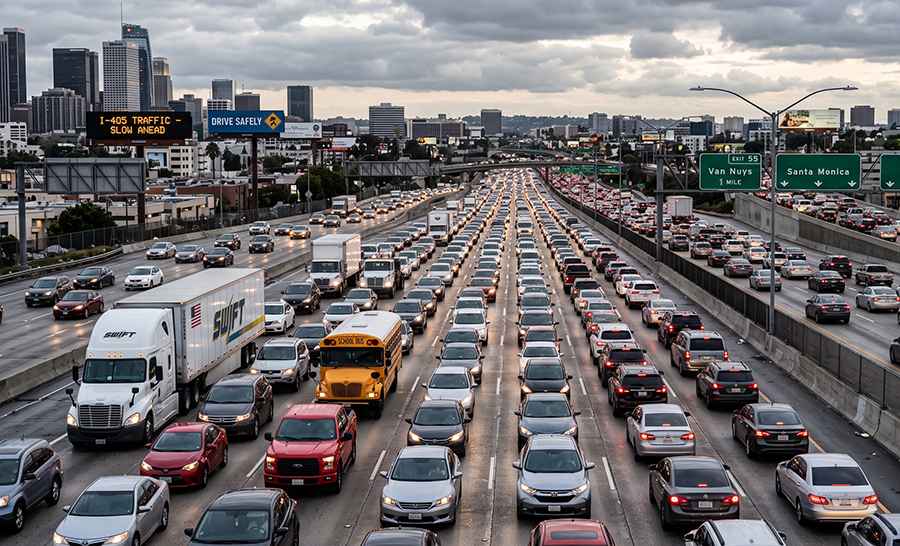
Busy roads naturally place more vehicles in close proximity, increasing the likelihood of conflicts between drivers. Congestion often leads to sudden braking, frequent lane changes, and stop-and-go traffic, all of which create situations where even a small mistake can result in a collision.
Interchanges and merging areas can become especially challenging during peak travel times. Drivers may have limited time to adjust their speed, find openings in traffic, or react to unexpected movements from nearby vehicles. These situations demand constant attention and patience.
Although congestion can be frustrating, aggressive driving rarely saves meaningful time. Leaving adequate following distance and anticipating traffic flow can reduce the chances of rear-end crashes and other common accidents in heavily traveled areas.
Road Design Can Influence Safety
The design of a roadway plays an important role in how safely traffic moves. Sharp curves, complicated intersections, limited sight distance, and poorly lit areas may reduce the amount of time drivers have to recognize and respond to potential hazards.
Intersections are particularly common locations for serious crashes because they require drivers to monitor traffic from multiple directions while making quick decisions. Even well-designed intersections depend on motorists following traffic signals and remaining alert to changing conditions.
Road improvements such as better lighting, clearer lane markings, and updated traffic controls can improve safety, but no design can completely eliminate risk. Drivers must continue adjusting their speed and attention to match the roadway they are traveling.
Driver Choices Remain a Major Factor
Human behavior contributes to a significant number of traffic accidents. Speeding, distracted driving, impaired driving, and failing to obey traffic laws can quickly turn an ordinary situation into a dangerous one, regardless of the condition of the roadway.
Distractions have become especially common as mobile devices compete for drivers' attention. Looking away from the road for only a few seconds may be enough to miss changing traffic conditions, pedestrians, or vehicles slowing unexpectedly ahead.
Making safe choices behind the wheel benefits everyone using the road. Staying focused, obeying speed limits, and avoiding impaired driving remain some of the most effective ways to reduce the likelihood of serious collisions.
Changing Conditions Can Increase Risk
Weather and road conditions constantly influence how safely vehicles can travel. Rain reduces tire traction, increases stopping distances, and may make lane markings more difficult to see. Even experienced drivers often need additional time to react during poor weather.
Construction zones present another set of challenges. Narrow lanes, temporary traffic patterns, reduced speed limits, and workers near the roadway require extra attention. Drivers who fail to slow down or remain alert can place themselves and others at greater risk.
Regular road maintenance also affects safety. Potholes, worn pavement, standing water, and damaged signage can contribute to hazardous driving conditions. Adjusting driving habits to match changing conditions helps reduce unnecessary risks throughout the year.
Conclusion
Road safety depends on many factors working together. Traffic volume, roadway design, driver behavior, and changing weather conditions all influence why certain roads experience more collisions than others.
While drivers cannot control every hazard they encounter, they can control how they respond. Remaining attentive, adjusting to traffic conditions, and practicing defensive driving can significantly reduce the chances of being involved in a crash.
Recognizing the factors that make certain roads more dangerous encourages smarter decisions behind the wheel. Staying alert and adapting to changing conditions helps create safer roads for everyone who travels through the community.