Wise Settlement Decisions Begin Before the Insurance Company Makes an Offer
Accidents can change a normal day in seconds, but the choices people make afterward often shape the financial outcome for months or even years. While no one expects to be involved in a serious crash, understanding how settlements work before an accident happens can reduce stress and prevent costly mistakes.
Drivers who know what evidence matters, when to seek medical care, and how insurance companies evaluate claims are often in a stronger position if they ever need to pursue compensation. A little preparation today can make a meaningful difference if the unexpected happens tomorrow.
Know What Determines the Value of an Accident Settlement
Many people assume settlements are based only on vehicle damage, but that is only one piece of the picture. Insurance adjusters review medical records, treatment timelines, lost income, long-term recovery, witness statements, photographs, and available video footage. The more complete and organized the documentation, the easier it becomes to demonstrate the true impact of an accident.
Drivers should also understand that delaying medical treatment can create unnecessary questions during the claims process. Even injuries that seem minor immediately after a collision can become more noticeable over the next several days. Prompt evaluation creates a medical record that connects the injury to the crash and provides a clearer picture of recovery. Keeping receipts, maintaining copies of repair estimates, and recording how injuries affect daily life can also strengthen a settlement claim without adding unnecessary complexity.
Commercial Truck Crashes Often Require More Investigation
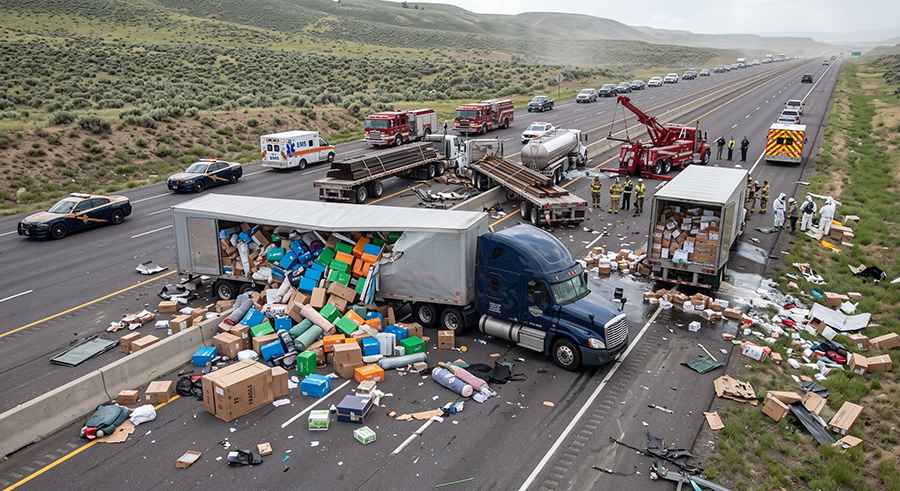
Collisions involving large commercial trucks are usually more complicated than standard passenger vehicle accidents. Multiple insurance policies, federal regulations, maintenance records, electronic driving logs, and company procedures may all become relevant during an investigation. Because of these added factors, 18 wheeler accident settlements in Texas, Virginia or Florida often involve more documentation and longer negotiations than smaller vehicle claims.
Drivers should avoid assuming the first settlement offer reflects the full value of their losses. Commercial trucking cases may involve future medical expenses, reduced earning capacity, rehabilitation costs, and other damages that are not immediately obvious after a collision. Understanding how these factors are evaluated helps drivers appreciate why thorough documentation and patience are often worthwhile throughout the claims process. Staying organized from the beginning also makes it easier to respond if additional information is requested later.
Small Decisions After a Crash Can Have Lasting Consequences
The hours following an accident can feel overwhelming, yet several practical steps can protect both health and future settlement discussions. Calling emergency services when appropriate, exchanging accurate information, photographing the scene, and identifying witnesses all contribute to a stronger record of what occurred. These details may become valuable long after damaged vehicles have been repaired.
Drivers should also be careful about discussing fault at the scene or posting details on social media before the facts are fully understood. Even casual comments can be taken out of context during an insurance investigation. Instead, focus on factual information, follow medical recommendations, and keep copies of every document related to the accident. These habits support a more accurate evaluation of the claim while helping reduce confusion as the process moves forward.
Crossing State Lines Can Add Unexpected Challenges
Not every accident happens close to home. Vacation travel, business trips, and family visits mean many drivers spend time on unfamiliar roads throughout the year. If someone is injured in a different state, the claims process may involve different insurance laws, filing deadlines, or legal standards than those in their home state.
That does not necessarily make recovery more difficult, but it does mean drivers should gather as much information as possible before leaving the accident scene. Police reports, medical records, photographs, rental car paperwork, and communication with insurance companies should all be saved in one place. Knowing which state's laws apply can influence settlement timelines and other procedural requirements, making early organization especially valuable. Travelers who prepare for these possibilities are often better equipped to manage the claim once they return home.
Safe Driving Remains the Best Financial Protection
Every driver hopes never to test what they know about accident settlements. Defensive driving, avoiding distractions, maintaining safe following distances, and keeping vehicles in good mechanical condition remain the most effective ways to reduce the likelihood of a serious collision. Safe habits protect lives first, but they also reduce the financial disruption that often follows a crash.
Even so, preparation has value. Understanding how settlements work before an accident occurs allows drivers to respond with greater confidence instead of reacting under pressure. When accurate records, prompt medical care, and careful documentation become routine priorities, the settlement process is often clearer and more efficient. In the end, the best outcome is preventing the crash altogether, but being informed ensures drivers are better prepared if they ever need to navigate the claims process.