What to Do If You Have an Accident on a Remote Road
Driving on empty country roads offers a distinct sense of freedom. A sudden tire blowout or an unexpected animal can change your situation in seconds. Getting stranded after a severe collision in an isolated area feels terrifying. You need a clear plan to handle the aftermath when emergency help is many miles away.
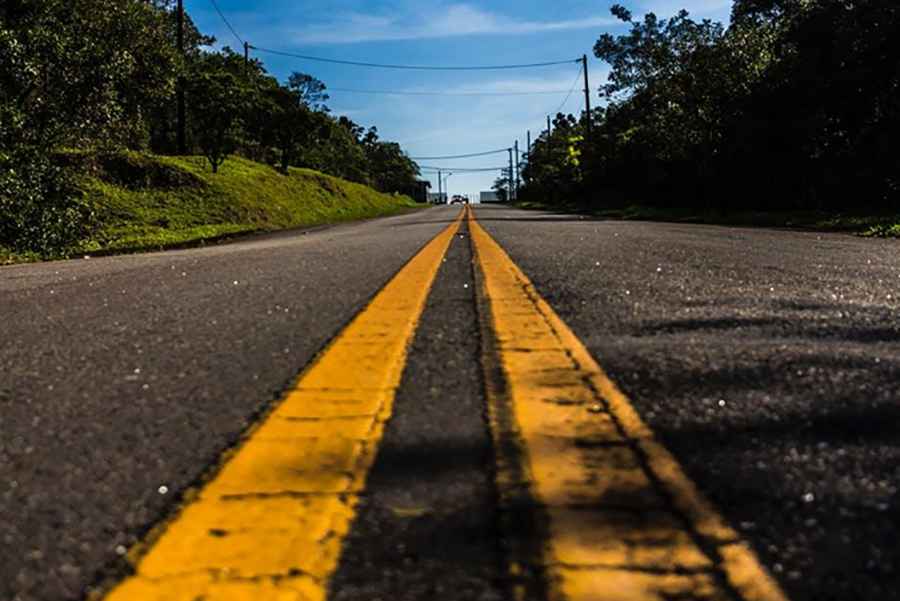
Prioritize Immediate Safety On Rural Roads
Moving your vehicle off the main driving path prevents secondary collisions from oncoming traffic. If you need help dealing with insurance or legal matters later, consult a San Antonio personal injury lawyer who protects your rights after a crash. Clear the roadway completely if the vehicle still operates safely, as this keeps you away from blind curves.
Turn on your hazard lights immediately to warn occasional passing drivers who might speed around dark corners. Check yourself and your passengers for injuries before stepping outside into unknown terrain. Step out carefully onto the roadside shoulder away from the flow of traffic.
The Risks Of Isolated Driving
Remote highways present dangers that standard city streets do not face. A government highway safety initiative reports that rural areas account for 71% of public road miles across the nation and see nearly half of all traffic fatalities.
Higher speeds and dark conditions contribute to these severe numbers every year. Drivers lose control on sharp curves or unpaved shoulders without streetlights to guide them. Fewer lanes mean head-on collisions happen more frequently on these narrow pathways. Safe drivers adjust their speed to match changing road conditions.
Call For Emergency Assistance Right Away
Cell phone reception can drop sharply outside major municipal zones. Try dialing emergency services anyway since devices sometimes connect to alternative networks during emergencies. Responders handle roughly 1.5 million traffic incidents on country roads and highways annually.
Give dispatchers precise landmarks, mile markers, or nearby intersections to help them track your exact position. Describe any visible injuries clearly so the correct medical units head your way. Stay on the line until the dispatcher tells you to hang up.
Document The Scene Thoroughly
Gather evidence even when law enforcement takes longer to arrive at the scene. Take photos of vehicle damage, road skid marks, and surrounding geographic features from multiple angles. A federal traffic database recorded 17,283 rural traffic fatalities during 2022, making up 41% of the total national traffic deaths that year.
Exchange insurance and contact information with any other drivers involved in the wreck. Collisions cause thousands of dollars in property damage. Avoid arguing about who caused the accident as you wait for assistance.
Monitor National Traffic Trends
Crash numbers remain high across the country every single year, regardless of location. A recent traffic safety estimation revealed police-reported collisions rose from 6.14 million to 6.18 million over a recent 12-month period. Quiet routes require constant alertness to avoid becoming part of these growing statistics.
Stay observant to avoid sudden, unexpected hazards like wild animals crossing the road. Small mistakes lead to major incidents when help is far away. Defensive driving remains your best protection against unpredictable events.
Prepare An Emergency Supply Kit
Keeping survival tools in your vehicle can save your life during long delays. Emergency personnel might take hours to reach a distant location after an accident. Pack these items before heading out on a long trip:
- Flares or reflective triangles to mark your location
- First aid supplies for minor cuts
- Extra bottled water and non-perishable food
- Portable phone chargers with full batteries
- Thick blankets for cold nights
Maintain Your Vehicle Properly
Mechanical failures cause many remote accidents on long stretches of highway. Inspect your tires, brakes, and fluid levels before leaving town. Poor vehicle maintenance increases your risk of getting stuck in a dangerous remote area without warning.
Wait Safely For Rescue Teams
Staying with your vehicle is usually the smartest choice after a crash occurs. Wandering into unfamiliar woods or fields increases your chances of getting lost or encountering wildlife. Keep your doors locked and remain inside the cabin if weather conditions turn harsh, so a sturdy car body provides excellent shelter. Passing motorists will spot a vehicle much faster than a walking pedestrian on a dark shoulder.
Turn off the engine if you smell fuel or notice smoke coming from under the hood. Sit quietly and conserve your phone battery for necessary updates. Wait patiently for professional emergency help to arrive at your vehicle.
Surviving a rural crash comes with preparation and a calm mind. Following basic safety steps keeps you protected as you wait for emergency services to reach your location. Remember to document everything and focus on your physical recovery. Safe and attentive driving habits protect everyone traveling on the open road.
Image source: https://www.pexels.com/photo/road-in-between-green-tree-under-white-clouds-and-blue-sky-1042442/