The Road Ahead: How Smart Travel Planning Makes Every Drive Safer and More Memorable
Some roads are more than routes between two points. They are experiences shaped by landscapes, weather, engineering, local culture, and the decisions drivers make before they ever start the engine. From mountain passes and desert highways to coastal roads and remote rural tracks, every journey carries a mix of excitement and responsibility.
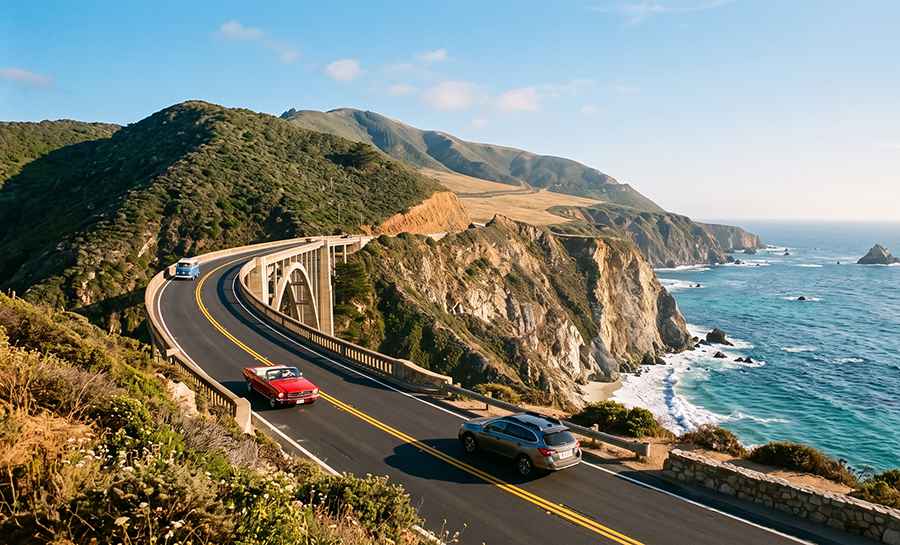
For travelers who love discovering dramatic roads, planning matters as much as curiosity. A beautiful route can quickly become stressful if the vehicle is not prepared, the weather changes, or the driver underestimates the distance. Smart road travel is not about removing adventure. It is about making adventure safer, smoother, and more rewarding.
Understanding the road before the journey
Every memorable drive begins with research. Drivers should look beyond the distance shown on a map and consider the real conditions of the route. A road that appears short may include steep climbs, narrow lanes, sharp turns, gravel sections, limited fuel stations, or areas with poor mobile coverage.
Mountain roads often require extra attention because weather can shift quickly. A sunny morning can turn into fog, rain, or snow within hours. Coastal roads may be exposed to strong winds, rockfall, or slippery surfaces. Desert routes can create different challenges, including extreme heat, long distances between services, and low visibility during sandstorms.
Reading local driving reports, checking recent traveler experiences, and understanding seasonal risks can help drivers avoid unpleasant surprises. The goal is not to make the trip predictable, but to know what kind of unpredictability may appear.
Preparing the vehicle for difficult conditions
A safe journey depends heavily on the condition of the vehicle. Before driving a challenging road, travelers should check tires, brakes, lights, fluids, battery health, and spare equipment. Tire condition is especially important on steep or uneven roads, where grip can make the difference between control and danger.
For long-distance tourism, the vehicle should match the route. A small city car may be comfortable on paved scenic roads but unsuitable for remote tracks with potholes, mud, or loose stones. Trucks, SUVs, and well-equipped vans can offer better clearance and strength, but they still require proper maintenance and careful handling.
Drivers should also carry practical essentials: water, a first-aid kit, a flashlight, phone charger, offline maps, basic tools, and emergency contact information. In remote areas, these items are not accessories. They can become necessary.
Driving behavior matters more than speed
Many dangerous roads are not dangerous only because of their design. They become risky when drivers overestimate their skills or ignore changing conditions. Speed is one of the biggest factors. On narrow roads, sharp corners, or steep descents, driving too fast reduces reaction time and increases braking distance.
Defensive driving is essential. This means keeping enough space, expecting sudden obstacles, using lights when visibility is low, and slowing down before curves rather than during them. On mountain descents, drivers should avoid relying only on brakes for long periods. Proper gear selection can help control speed and reduce brake overheating.
Tourists may also be distracted by views. Scenic roads invite people to look around, take photos, and enjoy the moment. The safest choice is simple: stop in a safe location before taking pictures. No landscape is worth losing attention behind the wheel.
Traffic statistics and the reality of road risk
Road safety is not only a personal concern. It is a global issue connected to infrastructure, driver behavior, vehicle standards, and traffic laws. Traffic statistics often show that serious accidents are linked to speeding, distraction, alcohol, fatigue, poor road conditions, and lack of seat belt use.
For travelers, these numbers are a reminder that risk can be reduced through simple habits. Wearing a seat belt, avoiding phone use while driving, resting before long trips, and respecting local rules all matter. Even experienced drivers can make mistakes when tired or unfamiliar with a road.
Auto insurance is another part of responsible travel. Before renting a car or driving abroad, travelers should understand what their policy covers. Some insurance plans may exclude off-road routes, certain mountain roads, border crossings, or damage caused by reckless driving. Reading the details may feel boring, but it can prevent major financial problems later. Even travel writers who plan routes carefully may use a word counter for their notes, yet they should spend just as much time checking insurance terms and safety requirements.
Turning the drive into a better travel experience
The best road trips are not rushed. A road becomes more memorable when drivers allow time for stops, local food, small villages, viewpoints, and unexpected discoveries. Tourism by car gives travelers freedom, but that freedom works best with a flexible schedule.
Planning rest points is important, especially on long routes. Fatigue can reduce concentration as much as alcohol in some situations. Short breaks, hydration, and shared driving responsibilities can help everyone arrive safely and enjoy the journey.
Technology can also improve the experience. Navigation apps, weather alerts, dash cameras, fuel station finders, and vehicle diagnostic tools give drivers more information than ever before. However, technology should support judgment, not replace it. Offline preparation remains important because remote roads may not always have reliable signal.
The world’s most exciting roads attract travelers because they combine beauty, challenge, and emotion. They offer moments that cannot be experienced from an airport lounge or a train window. But the same roads demand respect. A successful journey depends on preparation, patience, and awareness.
Adventure is not the opposite of safety. In many cases, safety is what allows adventure to happen. When drivers understand the route, prepare the vehicle, respect local conditions, and make smart decisions, every road becomes more than a path. It becomes a story worth remembering.