How to Prepare for Unexpected Breakdowns in Regional Australia
Anyone who has driven through regional Australia knows the feeling: the road stretches out for what feels like forever, the nearest town is a fuel gauge's worth of anxiety away, and your phone hasn't had a signal for the past hour. It's one of the most freeing experiences this country offers. It's also one of the most unforgiving if something goes wrong and you're not prepared.
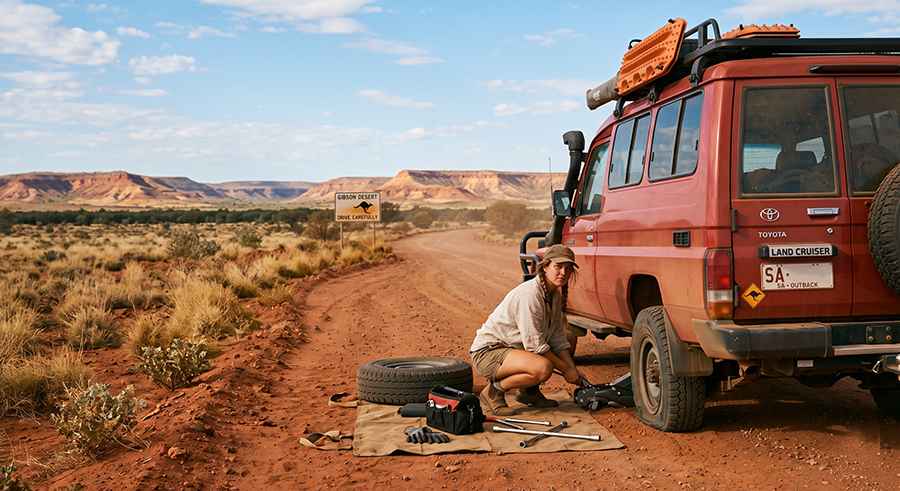
Breakdowns don't happen on schedule. They happen 80 kilometres from nowhere, in 35 degree heat, with no shade in sight. The gap between a bad afternoon and a genuine emergency often comes down to what you did before you left.
Know Your Route Before You Leave
This sounds obvious, and yet plenty of people head into remote areas with nothing more than a rough sense of direction and a phone with patchy cached maps. Regional roads are a different beast entirely. Some are unsealed for hundreds of kilometres, prone to corrugations that will shake a poorly maintained vehicle to pieces, and completely cut off after rain.
Before any regional drive, research your specific route. Know where the fuel stops sit and how far apart they are. Understand whether the road is sealed, graded dirt, or something more demanding. If your trip finishes with a relaxing beachside escape in Scotts Head, planning the regional legs properly means you arrive rested rather than rattled. Route knowledge lets you pace your fuel, plan your checks, and know exactly where you can safely pull over if something fails.
What to Carry and Why It Matters
The emergency kit in your car is the thing you hope never to use and the thing that defines the situation when you do. This means water for at least three days per person, a proper spare tire in good condition, a tire repair kit, jumper cables, basic tools, a first aid kit, and enough food to wait out a delay. None of this is excessive.
Experienced drivers on routes like the Birdsville Track know this without being told. Sharp stones, deep corrugations, and sudden weather events are just part of the experience. What separates prepared drivers from those waiting for a stranger's help is almost always what they packed before leaving home.
Communication When There Is No Signal
A mobile phone is not a safety device in the outback. It is a device that works in cities. Once you leave the coastal fringe, signal drops progressively, and in genuinely remote areas it disappears entirely. You need an alternative before you go, not after you've broken down.
A personal locator beacon (PLB) is non-negotiable for serious regional travel. When activated, PLBs notify the Australian Maritime Safety Authority with your exact coordinates. Satellite communicators like a Garmin inReach give you two-way messaging so someone tracking your itinerary can respond if needed. Always leave a detailed travel plan with someone at home, including expected arrival times and clear instructions on when to raise the alarm.
Drivers tackling the Oodnadatta Track routinely check in at known stops precisely because a human checkpoint can be more reliable than any piece of technology.
Vehicle Preparation Is Non-Negotiable
Have your vehicle properly checked before any long regional drive. Tyres including the spare, coolant, oil, brake fluid, battery terminals. If your vehicle mostly handles city traffic, the demands of long unsealed stretches will expose weaknesses fast.
This is also where specialist coverage matters. Club4x4 provides insurance designed for four-wheel drives used in genuine off-road and remote conditions, with policies that reflect what you're actually doing rather than assuming your vehicle never leaves a sealed road. When you're three hours from the nearest mechanic, that distinction is significant.
When the Breakdown Happens Anyway
Stay with your vehicle. A stationary car is visible from the road and from the air. A person walking in 38 degree heat is neither, and burns through water at a dangerous rate. Make yourself visible, use hazard lights if your battery allows, and wait.
Travellers on the Outback Highway know from experience that other drivers do pass, even on the most isolated stretches. Patience combined with visibility, while your PLB or satellite device does its job, is the best strategy available.
The outback rewards people who respect it. Prepare properly, tell someone your route, and carry what you actually need. The roads are worth every kilometre. Make sure you come back to drive them again.