A Complete Guide to Truck Accident Claims
A truck accident claim is a legal process that helps injured victims recover compensation from the party responsible for the crash. These claims are more complex than standard car accident cases because multiple parties, strict federal regulations, and serious injuries are often involved.
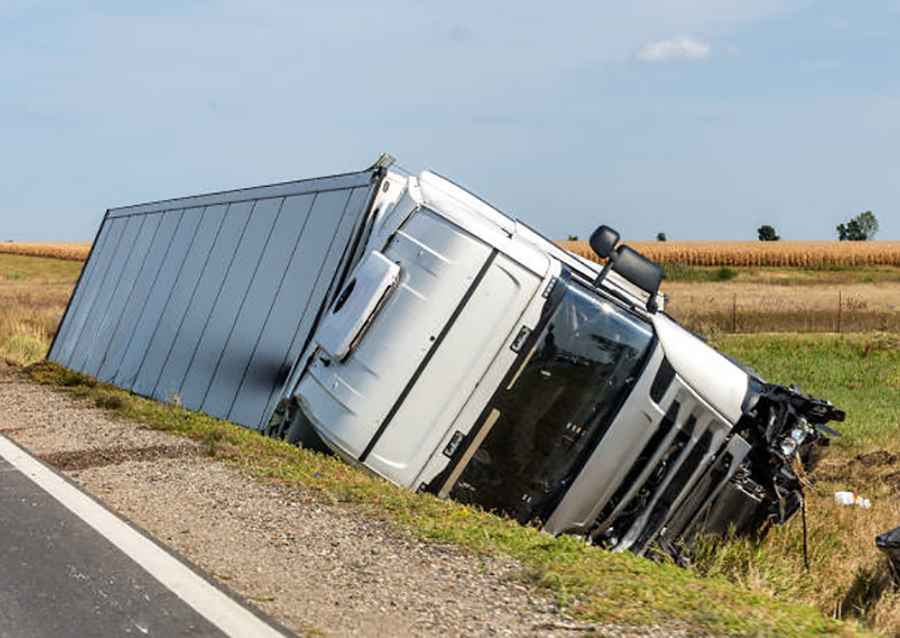
Las Vegas sits along some of the busiest freight corridors in the western United States, including Interstate 15 and US-93. Commercial trucks moving goods through Nevada are involved in serious crashes every year. Many injured victims work with trusted truck accident lawyers in Las Vegas to navigate the layers of liability and build a strong claim.
Understanding how these claims work from the start puts you in a better position to protect your rights and recover what you are owed.
Who Can Be Held Liable in a Truck Accident
Liability in truck accident cases rarely falls on just one party. Several entities can share responsibility depending on how the crash happened.
Parties that are commonly held liable include:
- The truck driver for negligent driving, speeding, or hours-of-service violations.
- The trucking company for poor hiring practices or inadequate driver training.
- The cargo loading company for improperly secured or overloaded freight.
- The truck manufacturer for defective parts that contributed to the crash.
- A maintenance contractor for failing to keep the vehicle in a safe operating condition.
Federal Regulations That Shape Your Claim
Federal rules govern commercial trucking in ways that directly affect liability. Understanding these rules helps identify where the negligence occurred.
Hours of Service Rules
The Federal Motor Carrier Safety Administration sets strict limits on how long a driver can operate without rest under 49 C.F.R. § 395. Drivers who exceed these limits create serious crash risks. Logbook records and electronic logging device data can prove that a violation occurred.
Vehicle Maintenance Standards
Under 49 C.F.R. § 396, trucking companies must inspect and maintain their vehicles regularly. A brake failure or tire blowout caused by skipped maintenance is a direct liability issue. Maintenance records are key evidence in these cases.
Cargo Loading Requirements
Federal rules under 49 C.F.R. § 393 set standards for how freight must be secured. Shifting or falling cargo can cause a driver to lose control. If cargo loading were outsourced, that third party may share liability alongside the carrier.
Types of Compensation Available in Truck Accident Claims
Truck accidents often cause severe injuries that create significant financial and personal losses. Compensation generally falls into two categories.
Economic damages cover measurable losses, including:
- Emergency medical treatment and ongoing rehabilitation costs
- Lost wages during recovery and reduced future earning capacity
- Property damage to your vehicle and personal belongings
Non-economic damages address the personal impact of your injuries, including:
- Physical pain and long-term discomfort
- Emotional distress and anxiety following the crash
- Loss of enjoyment of normal daily activities
In cases involving gross negligence, such as a carrier knowingly allowing an unqualified driver on the road, punitive damages may also apply under Nevada law.
Steps to Take After a Truck Accident
- Call 911 and make sure an official police report is filed at the scene.
- Photograph everything, including truck markings, cargo, road conditions, and your injuries.
- Seek medical attention the same day, even if symptoms seem minor at first.
- Note the trucking company name and any DOT or license plate numbers visible.
- Avoid speaking to the carrier's insurance representatives without legal guidance.
- Preserve all records, including medical bills, repair estimates, and missed work documentation.
Key Takeaways
- Truck accident claims can involve the driver, carrier, cargo loader, and manufacturer simultaneously.
- Federal regulations under 49 C.F.R. govern driver hours, vehicle maintenance, and cargo securing.
- Violations of these federal rules serve as strong evidence of negligence in your claim.
- Both economic and non-economic damages are available to injured victims.
- Nevada law allows punitive damages when a carrier acts with gross negligence.
- Acting quickly preserves critical evidence like logbooks, black box data, and maintenance records.