Best RV for Road Trips: What to Buy and Where to Find It
The idea of hitting an open road with everything you need packed into your own vehicle is one of the most appealing things about RV travel. No hotel bookings, no rigid schedules, no compromising on comfort. Just the road and wherever it takes you.
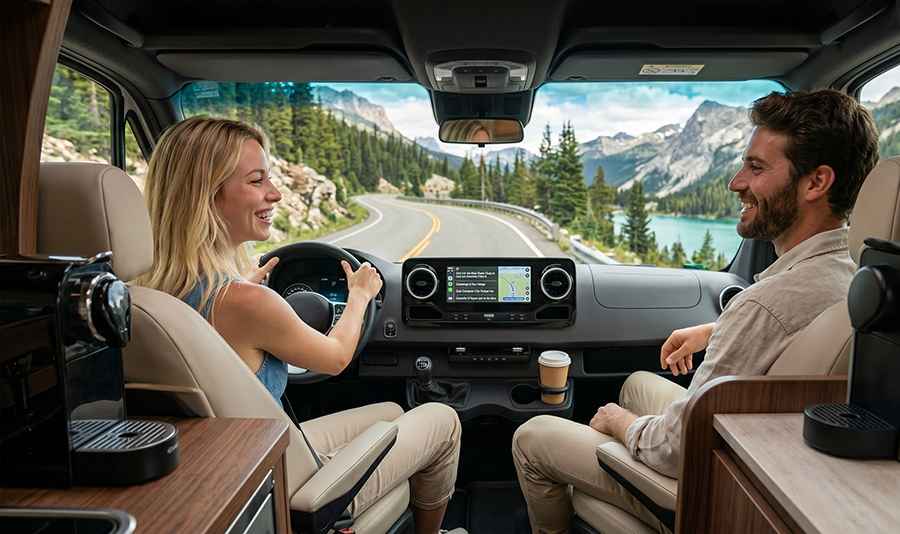
Getting there requires one good decision upfront. Buying the right RV for how you actually travel. Get that right and every trip after it becomes easier. Get it wrong and you spend more time fixing problems than enjoying the drive.
This guide covers the RV types that work best for road trips, where to buy one without getting burned, and what to check before you hand over your money.
Which RV Type Actually Works Best for Road Trips
Not every RV is built for the same kind of travel. The type that works best for you depends on how many people are coming, what roads you plan to drive, and how much comfort you need along the way.
RV Type | Best For | Pros | Cons |
Class A Motorhome | Full time travel, luxury, families | Maximum space, full amenities, self contained | High fuel cost, harder to park, expensive |
Class B Campervan | Solo travelers, couples, adventure routes | Easy to drive, fuel efficient, fits anywhere | Limited space, fewer amenities |
Class C Motorhome | Families, first time buyers | Good balance of space and drivability | Less spacious than Class A, can feel bulky |
Travel Trailer | Budget buyers, those with a tow vehicle | Affordable, wide range of sizes, leave trailer at site | Needs a capable tow vehicle, hitching takes practice |
Fifth Wheel | Pickup truck owners, long trips | Very stable tow, spacious interior, high ceilings | Requires heavy duty truck, hitch takes truck bed space |
For most road trip focused buyers the Class C and travel trailer options hit the best balance. A Class C gives you everything in one vehicle with no towing required. A travel trailer lets you unhook at your campsite and use your truck or SUV to explore locally without dragging the full rig everywhere.
Expert Tip:Rent before you buy. Spending a weekend in a Class B and a Class C back to back tells you more about what fits your travel style than any amount of research online.
Setting a Budget That Actually Covers Everything
The sticker price is only part of what an RV costs. Buyers who budget only for the purchase price almost always feel the pinch within the first few months.
Build your total budget around the purchase price plus insurance, registration, storage when not in use, routine maintenance, fuel, and the gear you need to set up camp properly. For a used travel trailer in good condition, that additional layer of costs can run several thousand dollars in the first year alone.
New RVs come with manufacturer warranties and the latest features but depreciate quickly in the first few years. A two or three year old unit from a private seller or quality dealer often represents far better value for someone who wants to spend their budget on travel rather than on a brand new model.
Expert Tip: Know your absolute ceiling before you start looking. It is easy to stretch a budget when you are standing inside a well fitted RV. Decide your limit before you walk into a dealership or open a listing.
Where to Buy an RV and What Each Option Actually Means
Where you buy shapes your entire experience as much as what you buy. Each channel comes with real tradeoffs.
New RV dealerships give you a manufacturer warranty, financing options on the spot, and a dedicated service team. The price is higher and depreciation hits fast. Useful if peace of mind matters more than getting the lowest price.
Used RV dealerships offer certified pre-owned inventory that has been inspected and often comes with a limited warranty. The markup is higher than a private sale but lower than buying new. A good option if you want some protection without paying full retail.
Private sellers can offer the best prices because there is no dealer overhead in the transaction. The tradeoff is that the sale is almost always as-is with no warranty and no recourse if something goes wrong after you drive away. Always arrange an independent inspection before completing a private purchase.
Online RV marketplaces have changed how most buyers find their next unit. Instead of being limited to local inventory, you can search across the entire country, filter by type, price, and features, and compare dozens of similar listings side by side. The better platforms go further than just listings. Some now use AI assisted tools that match buyers to units based on budget, travel style, and the type of roads they plan to drive, which cuts down the time spent sorting through options that were never a good fit to begin with.TrueRVs is one example of this newer generation of RV marketplace built around that kind of buyer and seller matching.
RV shows and auctions let you see multiple models in one place and sometimes access show pricing or discount packages. Auctions can produce real savings but move fast and rarely allow for a thorough inspection. Best suited to experienced buyers who already know exactly what they are looking for.
What to Check Before You Buy
A well presented RV can hide significant problems. Never skip a thorough inspection regardless of how good the unit looks or how trustworthy the seller seems.
On the exterior, check the roof for soft spots, cracks, or any evidence of water penetration. Look along the seams and sides for delamination or bubbling in the fiberglass. Check tire date codes because RV tires age out before they wear out and a full set of replacement tires is a meaningful cost.
Inside, look for water stains on ceilings, walls, and around windows. Soft spots on the floor indicate moisture damage underneath. Test every appliance including the refrigerator, stove, air conditioning, and water heater. Run the plumbing and check under every sink for signs of leaks.
For motorhomes, take it on a proper test drive. Not around the block. Drive it at speed on a highway, make some turns, and brake firmly at least once. Listen for anything unusual from the engine, feel how it tracks, and notice whether it pulls to one side.
Red flags to walk away from: A seller who refuses to allow an independent inspection. VIN numbers on the title that do not match the vehicle. Persistent odors of mildew or mold. Any soft spots on the roof or floor. Electrical issues like flickering lights or outlets that do not work.
Hire a certified RV inspector from the National RV Inspectors Association at nrvia.org before completing any significant purchase. The inspection cost is a fraction of what a missed problem could cost you after the sale.
The RV Buyer's Checklist
Step | What to Do |
1. Define your needs | Travel frequency, group size, destination types, must have amenities |
2. Set your full budget | Purchase price plus insurance, registration, maintenance, and gear |
3. Choose your RV type | Match class and size to your travel style and tow vehicle if applicable |
4. Select your buying channel | Dealer, private seller, or online marketplace based on budget and risk tolerance |
5. Research and shortlist | Use online platforms to filter by type, price, year, and location |
6. Check documents | Request maintenance records, original title, and run a VIN check |
7. Get an independent inspection | Hire a certified RV inspector before committing to any purchase |
8. Negotiate and review contracts | Focus on the total out the door price not monthly payments |
9. Secure financing and insurance | Get pre approved before you need it and arrange RV specific coverage |
10. Register and prepare | Transfer title, register with your state DMV, stock your RV, and practice driving |
Frequently Asked Questions
Should I buy new or used for my first RV road trip? Used is usually the smarter starting point. You avoid the steepest depreciation and can find well maintained units at significantly lower prices than new models.
How do I know if an online RV listing is legitimate? Ask for a video walkthrough, request maintenance records, verify the VIN independently, and arrange a professional inspection before sending any payment.
What is the most important thing to check during an inspection? Water damage. It is the most common and most costly issue in used RVs and is often not visible without a thorough look at the roof, seams, and interior walls.
Do I need special insurance for an RV? Yes. Standard auto coverage does not protect an RV adequately given its size, value, and use as a living space on the road.
How long does the RV buying process take? For a private sale with a proper inspection, allow two to four weeks from starting your search to taking possession. Rushing the process is how buyers end up with expensive surprises.