How to tell if a road ahead might be trouble before it’s too late
Danger on the road rarely arrives with a dramatic warning, which is why it’s so important to always be on your guard. Learning to spot some signs of what might become trouble early gives you time to adjust, slow down, or rethink your route and turn a potential ordeal into just another story from the journey.
Not all roads are the same
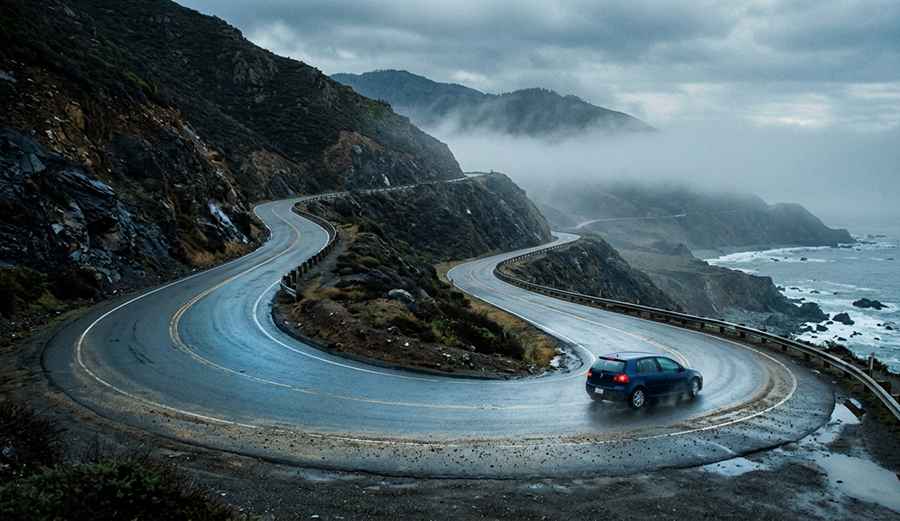
Some routes ask more of you than others, and it’s usually down to what surrounds them. Geography plays a big role: steep gradients and tight passes leave little room for error, especially on roads carved into hillsides or hugging the coast. Weather adds another layer. Rain can turn a decent surface slick within minutes, while fog rolls in fast on higher ground, shrinking visibility to a few car lengths. But even a sunny day can be misleading! All it takes is a shaded corner ahead that is still damp or strewn with grit.
Lesser‑known roads often miss out on regular maintenance here in the UK, so surfaces degrade quietly over time. Signage can be sparse or outdated, leaving you to rely on instinct and observation. Sure, that’s sometimes part of the appeal, but it also means fewer safety nets, and even experienced drivers can be surprised when conditions shift without warning.
Five tell-tale signs of a troublesome road
Some warnings aren’t announcing themselves too loudly, so it helps to know what to watch for before things feel uncomfortable. Keep an eye out for these shifts and respond early:
- A sudden change in road surface: Smooth tarmac giving way to rough patches, gravel, or potholes is your first cue to ease off. Grip becomes inconsistent, and your stopping distance stretches. Drop your speed and keep your steering inputs gentle to stay in control.
- Missing or unclear signage: Faded markings, absent warning signs, or inconsistent speed limits often point to a poorly maintained stretch. In these spots, assume the unexpected and drive a little more cautiously than the road might seem to require.
- Sharp bends, blind corners, or steep gradients: When the road tightens or dips out of view, visibility shrinks fast. Approach every blind bend as if something could be waiting on the other side. Slower entry speeds give you options if it gets tighter than expected.
- Debris, mud, or signs of recent damage: Loose stones, branches, or streaks of mud across the surface suggest recent landslides or runoff. These patches can be slippery or unstable, so steer smoothly and avoid sudden braking.
- Unusually sparse traffic or stranded vehicles: An empty road can signal a challenging route rather than a peaceful one. If you notice a parked or abandoned car in an odd place, take it as a hint to stay alert and consider whether continuing is the best call.
Stay prepared
Setting off on a more demanding route without a bit of groundwork is asking for surprises you don’t want. A quick check of the weather can change your whole approach; clear skies at the start don’t mean conditions will hold, especially on higher ground or coastal roads. It’s worth packing a few essentials too – a charged phone, water, a torch, and something warm can make a big difference if you have to stop longer than planned.
Planning doesn’t need to be complicated, but it should be deliberate. Let someone know your route if you’re heading somewhere remote, and keep an eye on local travel updates where possible. It all adds up to confidence behind the wheel. And while it might sit in the background, having the right cover in place, including car insurance that suits the kind of journeys you like, helps take the edge off the unknown. You’re not expecting things to go wrong, but you know you’re not exposed if they do.
That being said, don’t forget to stay curious about the road ahead, but trust what the small details are telling you. Don’t be afraid to ease off or turn back when it doesn’t add up.