Texas Passenger Safety Tips When Traveling Through Dangerous Roads in Rideshare Vehicles
Texas highways and rural roads present unique challenges that make them some of the most dangerous in the United States.
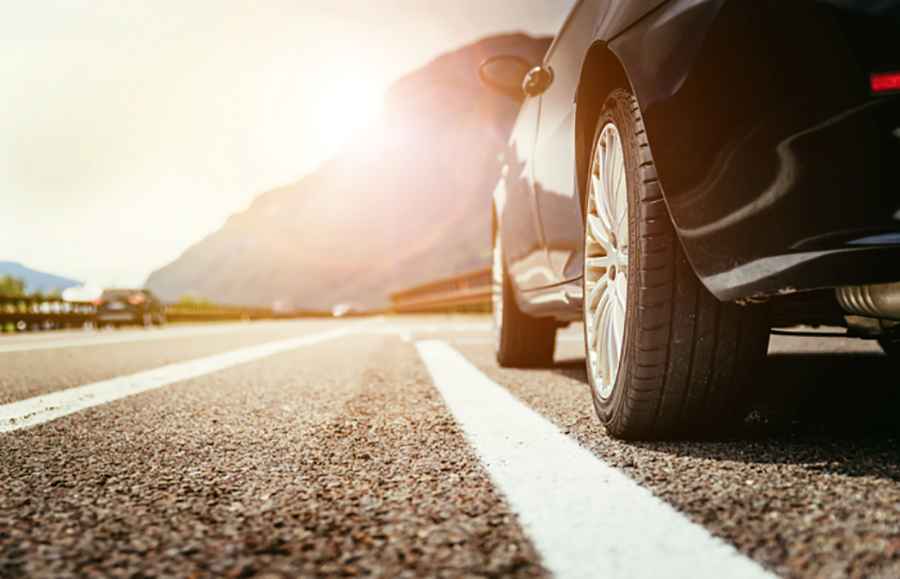
From narrow farm-to-market roads winding through Hill Country to congested urban corridors in Austin and Houston, travelers face hazards ranging from high-speed traffic to unpredictable weather conditions. For adventure seekers and road travelers relying on rideshare services like Uber and Lyft to explore Texas, understanding passenger safety becomes crucial. While rideshare platforms provide convenient transportation, passengers have limited control over the vehicle and driving conditions, making it essential to know how to protect yourself during these journeys.
Understanding Texas Road Hazards
Texas reported significant traffic safety challenges in recent years, with factors like impaired driving and speed being major contributors to fatal crashes on state roadways. The Texas Department of Transportation's #EndTheStreakTX campaign highlights the state's ongoing struggle with traffic fatalities, emphasizing the need for heightened awareness among all road users. Dangerous conditions are particularly prevalent on rural highways where speed limits are high, lighting is poor, and emergency services may be farther away. Additionally, Texas experiences extreme weather events from sudden thunderstorms to dense fog in coastal areas, which can transform familiar routes into hazardous passages. For rideshare passengers, these environmental factors compound the risks inherent in sharing a vehicle with an unfamiliar driver.
Essential Safety Checks Before Your Rideshare Journey
Before entering any rideshare vehicle, passengers should verify that they're getting into the correct car by checking the license plate, driver photo, and vehicle make and model against the app information. This simple step prevents dangerous mix-ups that could lead to assault or kidnapping situations. Once inside, the most critical safety action is buckling your seatbelt immediately, even for short trips. Research from the National Highway Traffic Safety Administration shows that a concerning number of rear-seat passengers in ride-share vehicles fail to consistently wear seatbelts, with only 57 percent reporting they always buckle up in vehicles for hire. This statistic is alarming given that seatbelt use reduces the risk of death by 45 percent for front-seat passengers and 44 percent for rear-seat passengers in passenger vehicles. Take a moment to assess the vehicle's condition as well as unusual odors, erratic dashboard warnings, or visible damage should raise concerns about the vehicle's safety.
In-Transit Safety Practices for Passengers
During your ride, remain alert and monitor the route through your rideshare app's GPS tracking feature. If the driver takes an unfamiliar route without explanation, don't hesitate to ask questions or request a specific path, especially when traveling through areas known for dangerous road conditions. Share your trip details with a trusted contact using the app's built-in safety features, which allow friends or family to track your journey in real-time. If you notice concerning driving behaviors such as excessive speeding, aggressive lane changes, distracted driving, or signs of impairment, you have the right to end the ride. Politely but firmly request that the driver pull over in a safe, well-lit area where you can exit the vehicle. When accidents do occur despite these precautions, passengers often face complex questions about liability and insurance coverage. Understanding your legal rights becomes important in these situations, which is where consulting with Austin Uber and Lyft accident attorneys can help navigate the claims process and determine fault among multiple parties, including the driver, rideshare company, and other motorists.
What to Do After a Rideshare Accident
If you're involved in a rideshare accident, prioritize your immediate safety and health. Move to a safe location if possible and call 911 to report the incident, ensuring that emergency services and law enforcement are dispatched. Even if you feel uninjured, seek medical evaluation as soon as possible, as some injuries like whiplash or internal trauma may not present symptoms immediately. Document everything at the scene, take photos of vehicle damage, road conditions, weather, and any visible injuries. Collect information from the driver, other involved parties, and witnesses. Report the accident through the rideshare app immediately, as both Uber and Lyft have specific procedures for accident claims. Keep detailed records of all medical treatments, expenses, and correspondence related to the incident. Texas law provides specific protections for rideshare passengers, but insurance claims involving these services can be complicated due to the multiple layers of coverage that may apply depending on whether the driver was waiting for a ride request, en route to pick up a passenger, or actively transporting someone.
Moving Forward Safely
Rideshare services have transformed how we explore and navigate Texas's diverse landscapes, from the Davis Mountains to the Piney Woods. However, the convenience of summoning a ride with a smartphone tap shouldn't overshadow the importance of passenger safety, especially when traveling through the state's more challenging roadways. By implementing these safety practices, verifying your ride, wearing seatbelts, staying alert during transit, and knowing how to respond to accidents, you can significantly reduce your risk while enjoying the freedom that rideshare services provide. Whether you're a tourist discovering Texas's hidden gems along dangerous mountain roads or a local navigating daily commutes through congested highways, your safety depends on both the driver's actions and your own vigilance as a passenger. Take these precautions seriously, trust your instincts, and never compromise on safety measures that could make the difference between arriving safely at your destination and becoming another statistic in Texas's traffic safety data.