What Happens After a Car Accident on a Dangerous Road? A Legal and Safety Guide
Every road has a story. Some routes earn their reputation through sharp blind curves, deteriorating pavement, or poorly marked intersections that catch even experienced drivers off guard. When those road conditions contribute to a crash, the aftermath can feel overwhelming injuries to manage, vehicles to deal with, and a legal process most people have never faced before.
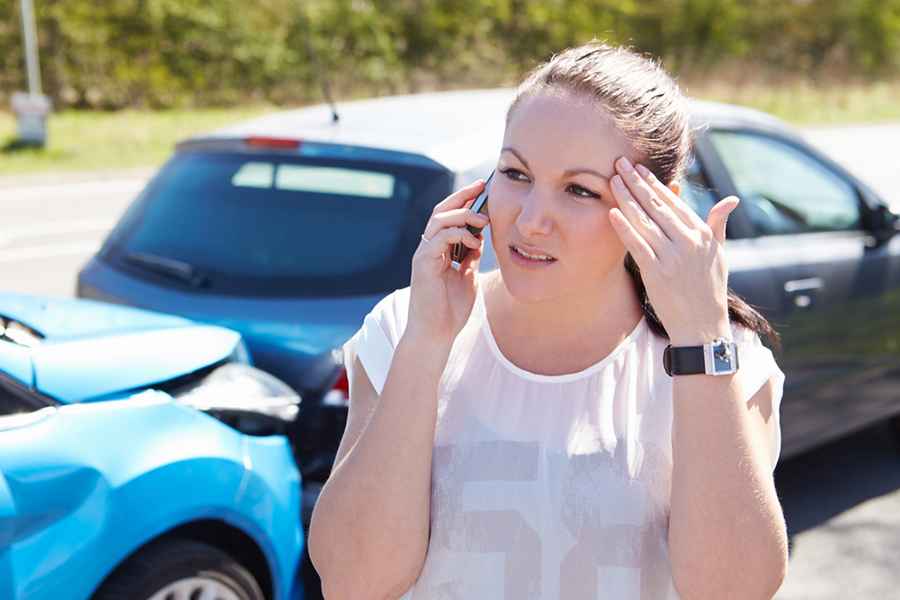
If you've been hurt in a collision on a hazardous stretch of road, understanding what comes next is just as important as knowing the risks in the first place. Speaking with a Columbia Car Accident Lawyer early in the process can make a significant difference in how your case unfolds.
The First 30 Minutes Matter More Than You Think
The moments immediately following a crash on a dangerous road are chaotic. Your instinct might be to move off the road, check on passengers, and call for help all of which are correct. But the steps you take in those first 30 minutes also lay the foundation for any future legal claim.
Call 911 immediately. Even if injuries seem minor, a police report creates an official record of the accident. On rural or mountainous roads, this report may be the only documentation of what happened before road conditions change or skid marks fade.
Document everything you can. If it's safe to do so, photograph the scene before any vehicles are moved. Capture road conditions wet pavement, faded lane markings, missing guardrails, potholes, or any environmental hazard that may have contributed to the crash. These details are easy to overlook in the moment but can be critical later.
Exchange information with everyone involved. Names, insurance details, license plate numbers, and contact information from any witnesses should all be collected on the spot.
Seek medical attention right away. Adrenaline masks pain. Injuries like spinal trauma, internal bleeding, and traumatic brain injuries often don't present their full symptoms for hours or even days after impact. Getting evaluated immediately protects both your health and your right to compensation.
Understanding Who May Be Liable
One of the most misunderstood aspects of car accidents on dangerous roads is the question of liability. Most people assume fault rests solely with one of the drivers involved. In reality, crashes on poorly maintained or badly designed roads often involve multiple responsible parties.
Other drivers are the most obvious source of liability. Speeding, distracted driving, driving under the influence, or failing to adjust to road conditions are all forms of negligence that can make a driver legally responsible for the damages they cause.
Government entities can also be held liable when a road defect contributed to the crash. Local, state, and federal agencies are responsible for designing, building, and maintaining safe roadways. Inadequate signage on a dangerous curve, a deteriorating highway shoulder, or a lack of barriers on a high-risk stretch of road can all form the basis of a claim against a government body. These cases come with shorter filing deadlines and specific procedural requirements, which is why early legal guidance matters.
Vehicle manufacturers may share responsibility if a mechanical defect, failed brakes, a malfunctioning steering component, or a tire blowout caused by a known design flaw played a role in the accident.
Establishing who is liable, and to what degree, requires a thorough investigation. Evidence that exists at the scene immediately after the crash may be gone within days.
What Compensation Can You Pursue?
Victims injured in car accidents on dangerous roads may be entitled to compensation across several categories. These typically include:
- Medical expenses emergency treatment, hospitalization, surgery, rehabilitation, and projected future care
- Lost income wages lost during recovery, as well as long-term earning capacity if injuries are permanent
- Pain and suffering non-economic damages that reflect the physical and emotional toll of the injury
- Property damage repair or replacement of your vehicle
The value of a claim isn't always straightforward, particularly when injuries are severe or when multiple parties share fault. Insurance companies are experienced at minimizing payouts, and accepting an early settlement without legal guidance often means leaving significant compensation on the table.
When to Get Legal Help
There's no wrong time to speak with a lawyer after a serious crash, but sooner is almost always better. Evidence deteriorates, witnesses become harder to reach, and legal deadlines known as statutes of limitations can close off your ability to file a claim entirely if missed.
An experienced Columbia Car Accident Lawyer will investigate the circumstances of your accident, identify all liable parties, accurately value your damages, and handle negotiations with insurance companies on your behalf. If a settlement can't be reached, they'll take your case to court.
Dangerous roads are a reality that drivers face every day. But dangerous road conditions don't mean you have no recourse when those conditions contribute to a crash. Whether the road itself was the problem, another driver was at fault, or both played a role, the law provides a path to accountability. Understanding that path and working with a Columbia Car Accident Lawyer who knows how to navigate it is how injured drivers get the outcome they deserve.
Image credit: Depositphotos