The "Spaghetti Bowl" and Beyond: Navigating Las Vegas' Most Treacherous Intersections
Las Vegas has a reputation for high-stakes entertainment, but the real risks often sit right on the city's roadways. Between navigating rental cars, heavy commercial transit, and endless construction, the city's grid can be unforgiving.
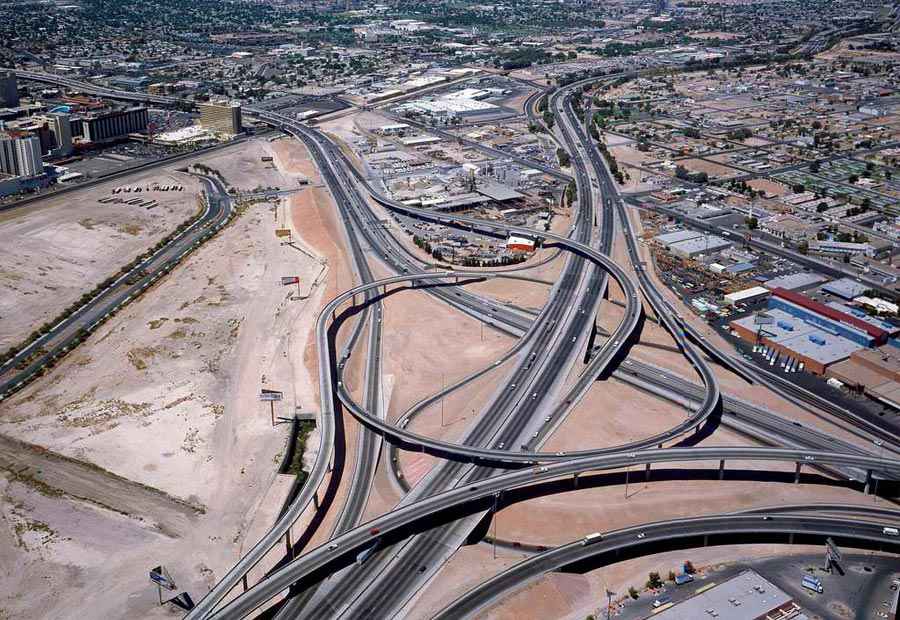
If a collision occurs in one of these high-traffic zones, establishing fault and dealing with insurance is notoriously complex. According to Ben Bingham, aLas Vegas car accident lawyer, high-impact intersection crashes often lead to long-term injuries that require specialized medical care and complex legal negotiations to recover lost wages. Because of this, understanding where the highest risks are located is a vital part of driving in Southern Nevada.
By looking at recent traffic data, we can identify the exact areas where drivers need to be on high alert. In 2025, Nevada recorded 381 traffic-related deaths. Data shows that69% of all fatal crashes in Nevada occur in urban environments, with Clark County carrying the heaviest burden. According to the Nevada Traffic Safety Crash Facts (NTSCF) report,32% of all motor vehicle accidents in Las Vegas happen directly at intersections.
The Spaghetti Bowl (I-15 and US 95 Interchange)
The centerpiece of Las Vegas traffic congestion is the Spaghetti Bowl. Handling well over 80,000 vehicles daily, its sudden merges, tightly curved exit ramps, and rapid lane shifts cause daily gridlock. Rear-end collisions and sideswipes are common occurrences here, largely driven by sudden braking and drivers failing to yield during high-speed merges.
Sahara Avenue and Decatur Boulevard
According tohistorical crash data reports, the intersection at Sahara Avenue and Decatur Boulevard consistently ranks as the most dangerous in Las Vegas. Historical tracking shows this single crossing has recorded up to 91 accidents in a single year, resulting in dozens of injuries. High traffic volume from nearby commercial centers combined with frequent red-light running leads to a high rate of severe T-bone collisions here.
Flamingo Road and Rainbow Boulevard
Another major hazard zone in Spring Valley is Flamingo Road and Rainbow Boulevard. Localized data snapshots show this intersection frequently exceeds 80 accidents annually. Massive traffic flow, frequent stops, and high pedestrian activity compound the danger, making it a hotspot for both vehicle-on-vehicle and pedestrian-related accidents.
What Makes Las Vegas Intersections So Dangerous?
A deeper look at the NTSCF crash data points to specific, recurring causes that drive up the collision numbers in the valley:
- Impaired Driving: Despite widespread rideshare availability, driving under the influence remains a massive issue, accounting for40% of car crash fatalities in Las Vegas.
- Lane Departures: Drifting into other lanes or making sudden, unsignaled lane changes—often due to tourist confusion or distracted driving—causes 37% of accidents in the city.
- Speeding: Wide, multi-lane surface streets built on a grid system easily encourage dangerous speeds. Almost one-third (32%) of all accidents in Las Vegas involve motorists driving over the posted speed limit.
- Fatigue & Time of Day: About 19% of all fatal crashes in Nevada happen between 6 p.m. and 9 p.m. during the evening commute, compounded by the city's 24-hour shift-work culture.
Protecting Yourself on the Road
Staying safe on Las Vegas roads requires intense defensive driving. Never assume an intersection is clear just because a light turns green—always pause to check for red-light runners, a common occurrence at wide crossings like Sahara and Decatur. Maintain a safe following distance, especially in the Spaghetti Bowl where sudden stops are guaranteed. Finally, because Nevada is an at-fault state, utilizing a dashcam is one of the smartest investments a local driver can make to ensure they have an objective record if a crash happens at one of these treacherous intersections.