Why Some Roads Are More Dangerous for Cyclists Than They Appear
Some roads look dangerous right away. Steep drop-offs, tight switchbacks, and rough pavement tell you exactly what kind of ride you’re in for. Others seem much friendlier. The surface is smooth, the lanes are wide, and the traffic feels light enough to make the whole stretch look easy. That kind of road can be more deceptive than it looks.
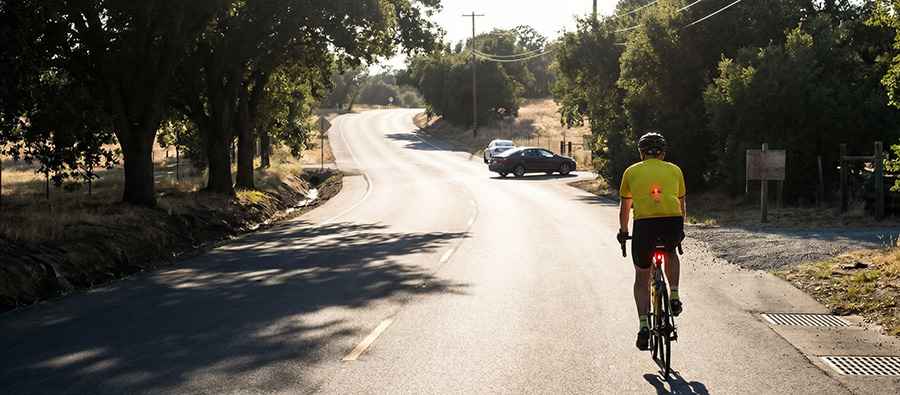
For cyclists, danger is not always loud or obvious. Sometimes it is built into the details: the way a road encourages speed, the way light changes across the pavement, or the way drivers behave when everything seems calm. A route that feels comfortable can still create the conditions for sudden mistakes and very little time to recover.
The Illusion of Safety: When the Road Feels Easy
A road that feels comfortable can lower a rider’s guard faster than one that looks intimidating. Wide lanes, smooth pavement, and gentle curves create a sense of control. There is space to move, fewer visible obstacles, and often less congestion. It is easy to settle into a rhythm and stop reading the road as carefully as before.
Drivers respond to that same comfort in their own way. Open space encourages speed. Without strong visual cues to slow down, many motorists pick up pace without giving it much thought. For a cyclist riding near the edge of the lane, that shift matters. A passing car at a moderate speed is one thing. A passing car moving much faster changes the entire margin for error.
Smooth surfaces make the problem easier to miss. They make the road feel forgiving, which can cause everyone using it to relax just a little. A small drift in position, a late glance, or a delayed reaction becomes harder to correct when speed rises and attention slips.
Light traffic can be misleading as well. A quiet road often feels safer simply because fewer vehicles are around. In practice, it can mean drivers are less prepared to encounter a cyclist at all. The road feels calm, but each interaction becomes less predictable because no one is fully expecting it.
Road Design That Increases Risk Without Warning
Some dangers are built into the road long before a cyclist arrives. Design choices that seem minor at first can shape movement in ways that quietly increase risk.
Blind curves are an obvious example. A bend in the road shortens sightlines for everyone. Even when a curve technically meets safety standards, it can still leave a driver with very little time to spot a cyclist ahead, especially on a road that already encourages faster travel.
Elevation changes create similar problems. A short rise can hide a rider until the last second. A descent can increase speed for both cyclists and vehicles, leaving less time to react. A road may feel smooth and predictable, yet a single change in grade can make it far less forgiving.
Shoulders and lane markings matter just as much. A narrow shoulder, a faded edge line, or a cycling space that appears and disappears forces riders to keep adjusting their position. Drivers, meanwhile, are left making quick judgments about where a cyclist is likely to be. That uncertainty can create tension in exactly the wrong moment.
Even good pavement is no guarantee of safety. A lane that narrows without much warning, a merge that appears suddenly, or a change in surface texture can disrupt the flow of movement for everyone on the road. As the World Health Organization’s overview of road traffic injuries makes clear, road design, speed, and visibility all directly affect crash risk. On roads that seem straightforward, those details can quietly raise the chance of conflict.
When Driver Behavior Becomes the Biggest Variable
Even a well-built road can become dangerous when driver behavior shifts with the setting. The same features that make a road feel easy to ride can change how people behave behind the wheel, and that is often where the biggest variable appears.
Speed is one of the clearest examples. On long, straight stretches with few obstacles, drivers tend to move faster. There is less visual clutter, fewer reminders to stay alert, and more confidence than the road may deserve. For a cyclist, that means less time for a driver to react and more serious consequences when something goes wrong.
Scenic roads bring their own problem. Mountain views, coastlines, and open rural landscapes pull attention away from the road ahead. A quick glance at the surroundings or a brief moment of distraction may be enough for a driver to miss a rider ahead.
Misjudgment is another common issue. Drivers may assume they have more space than they actually do, or underestimate a cyclist’s speed and position. On roads that feel quiet and uncomplicated, those assumptions become more common because there is less pressure to anticipate another road user.
Low traffic can make this worse. When vehicles are spread out, drivers often relax. They scan less, check mirrors less often, and respond later to anything unexpected. A cyclist ends up sharing the road with people whose decisions are shaped as much by the road’s atmosphere as by the rules of the road.
Visibility and Environmental Factors That Mislead Riders
Not every hazard comes from pavement, lane width, or traffic flow. Light, weather, and the surrounding landscape can change how clearly cyclists and drivers see each other, often in ways that are easy to underestimate.
Glare is a classic example. Early morning and late afternoon sun can reduce visibility even on an open road. A cyclist riding into that light, or away from it, may be much harder to detect than expected.
Shadows can be just as disruptive. Tree cover, tunnels, and uneven terrain create alternating bands of light and dark, affecting depth perception. A rider moving through those shifts can blend into the background, making it harder for drivers to judge distance and speed accurately.
Weather adds another layer of uncertainty. Fog cuts visibility. Rain affects traction and clarity. Wet roads reflect light, which can distort what drivers see. Strong wind can push a cyclist slightly off line at exactly the wrong time. None of these conditions has to be severe to matter.
Even on a clear day, long stretches of unchanging scenery can cause drivers to relax their focus. When the environment feels constant, attention drifts. A cyclist entering that space becomes an interruption rather than something the driver was ready to notice.
When Things Go Wrong: The Risks Cyclists Can’t Control
Even careful riders can end up in situations that unfold faster than they can respond. A driver crests a hill too quickly. A vehicle enters a curve with limited visibility. Someone simply fails to notice a cyclist until it is too late. These moments often come from a mix of road design, conditions, and human behavior lining up in the worst possible way.
The aftermath can be just as difficult as the incident itself. Not every driver reacts responsibly. Panic, confusion, or poor judgment can lead someone to leave the scene, leaving the cyclist to deal with injuries, insurance questions, and the practical fallout alone.
That is why knowing where to find legal help after a hit-and-run bicycle accident can matter when a driver fails to stop. In the right circumstances, legal guidance becomes part of the recovery process. It can help a rider make sense of medical costs, insurance complications, and the question of accountability after the immediate shock has passed.
These are the risks cyclists cannot fully control. Skill and awareness still matter, but some dangers are built into the environment itself, and their consequences can extend well beyond the ride.
Learning to Recognize Risk Before It Escalates
Spotting danger early often matters more than reacting at the last second. On roads that appear safe, the warning signs are rarely dramatic. They tend to show up in patterns.
A shoulder that narrows, a lane that tightens, or a road edge that becomes less defined can all change how drivers position their vehicles. Those small changes increase pressure on a cyclist, especially when traffic is moving faster than expected.
The rhythm of the road matters as well. Long straight sections followed by curves or short rises often produce uneven driving behavior. Drivers carry speed from the open section into a stretch that demands more control. That leaves less room for a cyclist to be seen and given space.
Surface details are worth noticing. Patched pavement, faint markings, and subtle changes in texture often signal places where attention drops or positioning becomes less stable. Those are the moments when small miscalculations begin to build on each other.
Traffic gaps can be revealing, too. A road with long pauses between vehicles may feel calm, but those gaps often encourage speed and reduce anticipation. When a car does appear, it may arrive much faster than the quiet character of the road suggests.
Why Understanding Road Risk Matters More Than Avoiding It
Avoiding every risky road is not realistic. Many cyclists ride routes that include hidden hazards, whether they are commuting, training, or traveling. The difference often comes down to how well those hazards are understood before they turn into a problem.
Once a rider starts to see how road design, visibility, and driver behavior work together, the road reads differently. A stretch that looks simple may deserve more caution than one that looks dramatic at first glance. That shift affects speed, positioning, and how actively a cyclist watches the road develop.
Experience helps, but observation matters more. Conditions change with traffic flow, weather, and time of day. A road that felt manageable in the morning can feel very different in late afternoon glare or in lighter traffic that encourages faster passing.
For riders who want more practical guidance, this guide to cycling precautions on dangerous roads offers useful context on how road conditions and surroundings can increase risk.
Awareness does not remove danger, but it does make danger easier to read. That alone can change the quality of a ride.
Conclusion
Some of the most dangerous roads for cyclists do not look dangerous at all. They seem open, smooth, and easy to understand, which is exactly why the risk can go unnoticed. Speed, visibility, and design can combine in ways that turn an ordinary stretch of road into an unpredictable one.
Cyclists who learn to read those quieter warning signs put themselves in a better position to respond early. First impressions matter less than patterns. The more clearly those patterns are understood, the less likely a road is to catch a rider off guard.