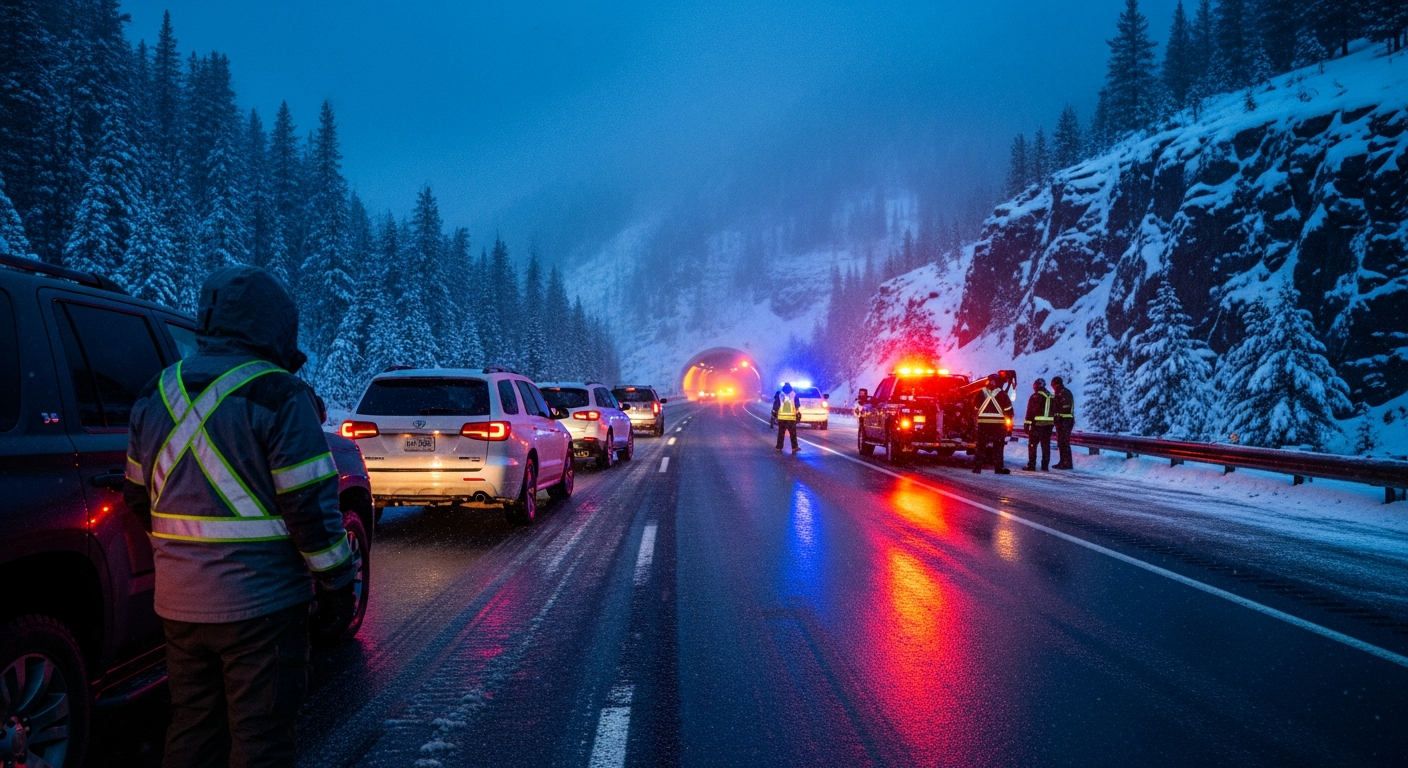
Navigating the Hazardous Winter Stretch of Interstate 70 in Colorado
Interstate 70 is a scenic gateway to world-class ski resorts like Vail and Breckenridge. Simultaneously, it stands as one of the most dangerous alpine highways in North America. The severe combination of steep grades, high altitudes, and sudden whiteout conditions can rapidly ice over the road. Navigating this corridor requires much more than a capable all-wheel-drive vehicle; it demands a deep understanding of mountain weather patterns and the legal realities of multi-car pileups.
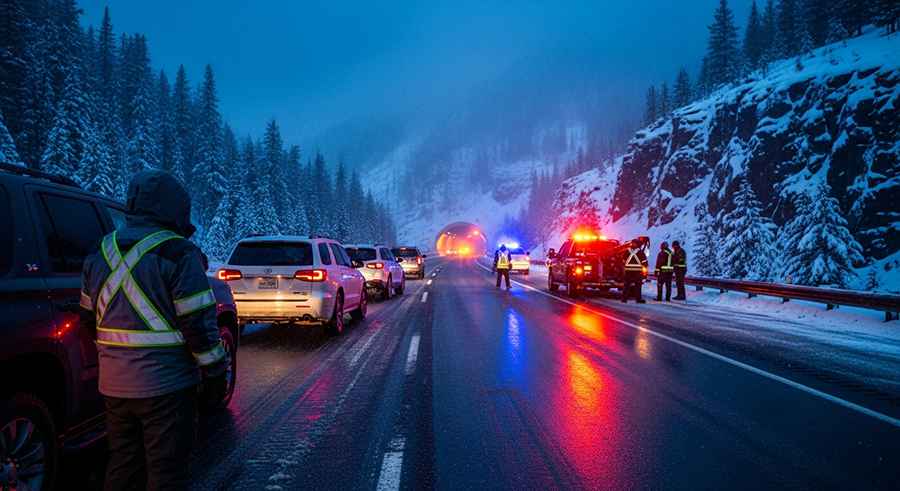
Anatomy of a Mountain Highway Disaster in 2026
The Eisenhower Tunnel and Steep Grades
The elevation changes along this route create highly localized microclimates that frequently surprise motorists. Climbing to over 11,000 feet at the Eisenhower Tunnel, the highway straddles the Continental Divide. Weather on the eastern slope often differs drastically from the western slope, meaning drivers can enter the tunnel in clear sunshine and exit into a blinding blizzard. Similar to the sudden terrain shifts seen when conquering Indiana Pass, the sheer altitude demands peak vehicle performance and intense driver focus.
Rapid Refreezing and Black Ice
The Colorado Department of Transportation continually warns drivers about the rapid refreeze phenomenon along the mountain corridor. Wet spots on the pavement quickly turn into invisible sheets of black ice as daytime temperatures plummet. Recent 2026 events highlight this persistent danger, such as when sudden 4 to 6-inch snowfalls near the Eisenhower Tunnel caused back-to-back pileups involving two dozen vehicles. Further down the mountain near Silver Plume, two separate crashes ensnared at least 24 vehicles, shutting down eastbound lanes for hours.
These massive storms frequently force the closure of alternative routes. This reality funnels all traffic onto a severely compromised I-70. During major snow events, hazardous-materials trucks are diverted from Loveland Pass directly onto the interstate, drastically increasing the severity of any potential collision.
Survival Protocols and Common Crash Causes
The Dangers of Speeding and Following Distance
While severe winter weather triggers these disasters, driver error remains the primary culprit. Motorists frequently underestimate their stopping distances on steep, icy grades. The Colorado State Patrol recently identified speeding as the top causal factor for 652 fatal and injury crashes investigated across the state. The sheer volume of highway risks in the region is staggering, as Denver recorded 15,256 car accidents in a single year, with 25.2% resulting in injuries.
I-70 Winter Driving Directives
Drivers must adopt strict safety protocols before ascending into the high country.
- Tire Compliance: Verify that your vehicle meets Colorado's Traction Law, requiring AWD/4WD or tires with a mud/snow (M+S) designation and adequate tread depth.
- Speed Reduction: Cut your speed by at least half during active snowfall or when traveling through notorious hot spots like Georgetown and the Floyd Hill construction zone.
- Space Management: Maintain a minimum of three to four car lengths from the vehicle ahead to account for the dramatically increased stopping distance on icy pavement.
- Emergency Provisions: Stock the cabin with thermal blankets, extra water, a first-aid kit, and a flashlight, as mountain highway closures frequently strand motorists.
The Logistical and Financial Fallout of Winter Pileups
Determining Liability in a Chain-Reaction Crash
Multi-car pileups on I-70 create a web of logistical challenges, especially when establishing fault. Colorado operates under a modified comparative negligence rule for auto accidents. Under this statute, drivers can only recover damages if they are found to be less than 50% at fault for the collision. In a 24-car pileup, insurance companies fiercely debate liability, attempting to shift the blame to reduce their financial exposure.
Navigating Car Accident Settlements in Denver
When drivers are caught in chaotic, multi-vehicle collisions on I-70, the aftermath often shifts from the physical wreckage to a complex legal battle down in the city. Navigating car accident settlements in Denver requires a deep understanding of Colorado's unique insurance statutes and fault laws. Victims frequently find themselves fighting against multiple insurance carriers, all attempting to deflect liability in a chain-reaction crash.
At this stage, professional legal counsel is vital for navigating the process. Jacobs Law PLLC has established a proven track record of guiding accident victims through these convoluted insurance negotiations. Their attorneys meticulously gather evidence—from police reports filed by the Colorado State Patrol to weather data and witness statements—to build a compelling case for their clients.
By handling the aggressive tactics of insurance adjusters, Jacobs Law PLLC ensures that victims of severe mountain collisions are not pressured into accepting low initial offers. Their dedication allows injured drivers to focus entirely on their physical recovery while the firm aggressively pursues the maximum compensation permitted under state law for medical bills, lost income, and property damage.
Understanding Damages and Insurance Limits
The financial realities of a mountain crash are often shocking to unprepared drivers. Colorado's minimum liability insurance requirement is only $25,000 for bodily injury per person and $15,000 for property damage. This baseline amount rarely covers the cost of a totaled vehicle, let alone a complex mountain rescue and subsequent emergency room care. Recognizing the rising costs of severe injuries, Colorado recently increased the cap on non-economic damages to $1.5 million for cases filed on or after January 1, 2025.
| Injury Severity Level | Example Injuries | Average Colorado Settlement Range | Legal Complexity |
|---|---|---|---|
| Minor to Moderate | Whiplash, minor concussions, soft tissue damage | $10,000 – $58,000 | Moderate; often requires fighting low initial insurance offers. |
| Severe | Fractures, torn ligaments, injuries requiring surgery | $25,000 – $150,000+ | High; requires expert medical testimony and future cost projections. |
| Catastrophic | Traumatic brain injuries, spinal cord damage | $150,000 – $1.5M+ | Extreme; involves lifetime care calculations and navigating non-economic damage caps. |
Securing Your Journey on Colorado's Alpine Vein
Interstate 70 commands absolute respect from every driver who approaches its steep inclines. The combination of unpredictable high-altitude weather and dense traffic turns the corridor into a high-stakes environment. Surviving the drive requires proactive safety measures, diligent speed management, and winter-ready equipment. Surviving the aftermath of a mountain crash requires knowing your legal rights and securing competent local advocacy to protect your financial future.
Image generated by Gemini