The Hidden Cost of Adventure: How Planning Ahead Makes Your Epic Road Trip Financially Smart
There’s something irresistible about dangerous roads — the steep mountain passes, winding cliffside routes, and vast stretches of uninhabited wilderness. These journeys promise thrills and unforgettable views, making them a must-do for many adventure-seekers. But while these roads might call to the brave and the bold, they also come with a hefty price tag.
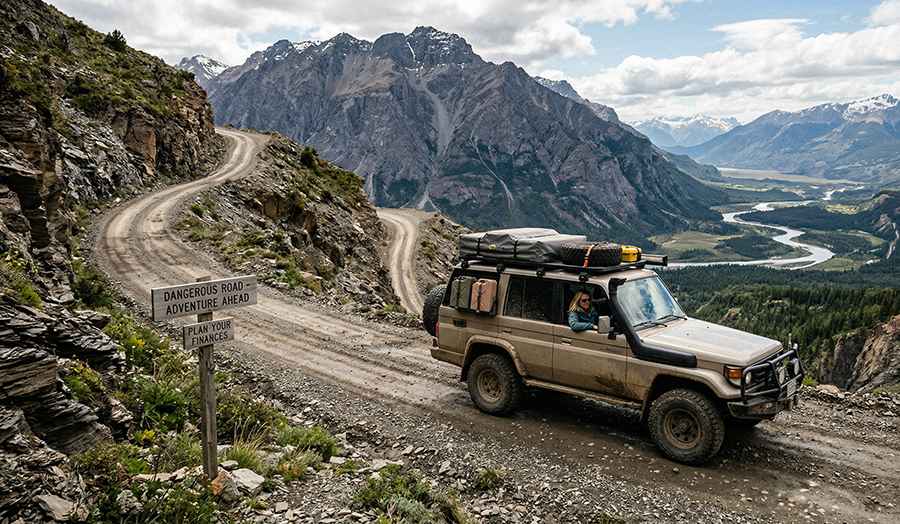
The truth is, the best adventures often aren’t free. From the cost of gas to vehicle maintenance, permits, accommodations, and emergency funds, your dream road trip can quickly turn into a financial challenge if you’re not prepared. Sure, planning the route and packing the right gear is essential, but have you thought about how you’re going to cover all these expenses? If you’re really serious about hitting that dangerous road less traveled, you need to make sure your wallet is just as ready as your truck.
2. Budgeting for Adventure: What Costs Should You Expect?
Before you set out on your epic adventure, it’s important to know exactly what you’re getting into. A great road trip doesn’t just require a reliable vehicle and a killer playlist — it also needs some serious financial planning. Whether you’re driving along Norway’s Trollstigen or tackling Patagonia’s rugged landscapes, here’s a rundown of the main expenses you’ll face:
Fuel and Fuel Backup
Fuel is probably the most obvious cost, but it’s also one of the easiest to overlook. On remote roads, you might not find a gas station for miles — or even hundreds of miles. Be sure to plan for higher fuel prices in these areas, and always keep a backup plan just in case. Gas isn’t cheap, but with some smart planning, you can make sure your tank stays full when you need it most.
Vehicle Maintenance and Repairs
Taking on dangerous roads can be tough on your vehicle. If you’re venturing off the beaten path, you might run into unexpected weather, rocky terrain, or rough roads that put extra strain on your car. Make sure you’re budgeting for:
- Oil changes
- Brake repairs
- Tire replacements or repairs
- Emergency tools and spares
It’s important to set aside a portion of your budget for these vehicle essentials so you’re covered no matter what happens.
Permits and Tolls
Some of the world’s most famous dangerous roads — like Bolivia’s Death Road or the Guoliang Tunnel Road in China — require special permits to access. These permits can range from a few dollars to several hundred, depending on the road and its location. Tolls are another cost you’ll need to keep in mind, especially if you’re driving through toll roads in Europe or the United States. Don’t forget to account for these expenses when you’re putting together your overall budget.
Accommodation vs. Camping
While camping can be a great option on some dangerous roads, the cost of gear (or renting it) and the need for supplies could add up faster than you think. If you prefer a little more comfort, hotels or hostels along your route might be more appealing — but accommodations along popular scenic or remote routes can also get pretty pricey. Be prepared to either camp or splurge on a place to stay, depending on the budget you’ve set.
Emergency Fund
While we all hope for smooth sailing, emergencies happen. Whether it’s vehicle repairs, a medical emergency, or an unexpected delay, it’s essential to set aside some extra funds just in case. This fund will help you handle any surprise expenses that come up during your trip.
These costs can quickly add up, and without proper financial planning, you might find yourself going over budget before the trip is even halfway through. But don’t worry, there’s a way to make it all work — and that’s by using compound interest to your advantage.
3. The Power of Starting Early: Compounding Your Trip Savings
We all know that the sooner you start planning, the better your adventure will be. But it’s just as important to start saving early. Building up a solid road trip fund might seem daunting at first, but with consistent savings and the power of compound interest, your money can grow over time — without you having to put in much extra effort.
Here’s where compound interest comes in: By making regular, small deposits into a high-interest savings account, your money will start to grow — and the longer you save, the more it will accumulate. Over time, you can watch your savings grow without feeling like you’re putting away huge amounts of money.
If you’re wondering just how much your savings could grow, there are tools that can help you figure it out. For instance, using a compound calculator will let you estimate how much your savings will increase over time. All you need to do is enter your initial deposit, contribution amount, interest rate, and time period, and you’ll get a clear picture of how your savings will grow.
4. Smart Travel Saving Strategies
If you want to make the most of your savings, here are some tips to help you get there:
Automate Small Savings Monthly
The easiest way to grow your savings is to set up automatic transfers from your checking account to your savings account. Even a small amount, like $100 a month, can add up over time — especially with compound interest working for you.
Use Travel-Reward Credit Cards Responsibly
Many travel credit cards offer rewards like cash back or travel points. By using a travel card for your regular purchases, you can rack up rewards that will help fund your trip. Just make sure to pay off the balance each month to avoid high-interest charges.
Cash Back vs. Interest-Bearing Accounts
Instead of just keeping your savings in a basic account, consider putting it in an interest-bearing account. That way, your savings can grow over time while you wait for your trip. Look around for accounts with higher interest rates to get the most out of your money.
Watch for Seasonal Cost Changes
Some routes are more expensive at certain times of year. Be mindful of seasonal trends when planning your trip. For example, the Swiss Alps may be more affordable to visit in late spring or early autumn, while summer months are peak tourist season and can come with higher prices.
5. Real-Life Example: From Dream Trip to Reality
Let’s say you’re planning a month-long journey along the Pacific Coast Highway, followed by an epic detour through Alaska. You estimate the whole trip will cost around $5,000. You start saving $200 a month in a high-interest savings account. By the time your trip rolls around in a year, your savings have grown by about $800 thanks to interest — which means you’re able to splurge on some extra activities or even upgrade your gear without worrying about your budget.
Without compound interest, you would have had to cut corners and maybe even put parts of the trip off. But by starting early and letting your savings grow, you’ve made your dream road trip financially doable.
6. Conclusion: Road Smart, Wallet Smart
A road trip along dangerous roads can be one of the most thrilling experiences of your life. But without the right financial planning, it could quickly become a costly venture.
Start saving early, plan for the unexpected, and most importantly, make sure both your gear and your wallet are ready for the journey ahead. The road less traveled may be full of challenges, but with the right preparation, it can also be the adventure of a lifetime.