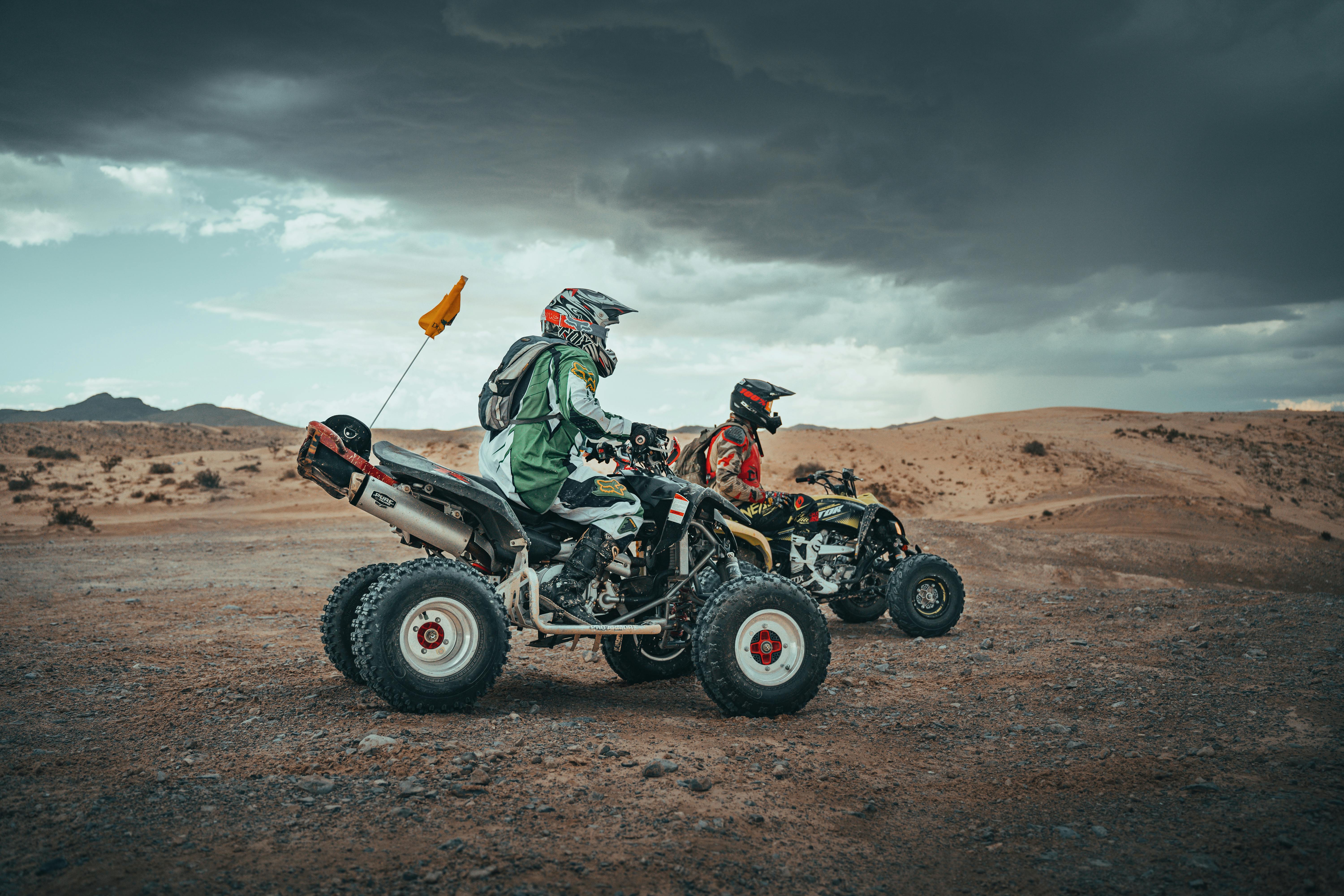
How to Handle Steep Mountain Trails on an ATV
At the edge of a jagged ridge, the air feels thin, views stretching kilometers. With every hum of the engine during your descent down that rocky track, the adrenaline spike is amazing.
But conquering these peaks is not the average bucket list experience. It demands more than just a sense of adventure. Some trails extend tens or even hundreds of miles into the wilderness, making proper preparation key for a safe and memorable thrill.
Understanding the Risks of High Altitude Riding
Climbing into the clouds changes the physics of your ride and how your rig runs. Steep gradients and loose scree create a volatile environment where one wrong move can cause severe injuries. The terrain can quickly shift from solid dirt to crumbling rock.
It happens fast, the slope is unforgiving, gravity always wins in the end.
Before engaging the throttle on a vertical path, safety should be your primary thought of focus. In fact, a report on ATV accidents in Texas in 2025 shows incidents commonly stem from a lack of maintenance or pushing beyond personal skill limits. Approach the mountains with a healthy respect for the terrain, and you stay in control.
Research and Training for the Peaks
Preparation starts long before you reach the trailhead, by polishing skill and gathering the right knowledge. As a beginner, you want to start with the basics of machine handling on flat ground before attempting a mountain pass. You might consider booking a guided tour where experts can show you the ropes in a controlled environment.
In this guide on what to expect as a first-time ATV rider, Gon Ridin highlights the importance of safety gear and fundamental training for those just starting out. Taking the time to study your specific route also prevents you from getting trapped on a trail that exceeds your abilities.
It is also good practice to:
- Check local weather forecasts for sudden summit storms
- Carry a physical map and a satellite communication device
- Inspect your tire pressure for optimal grip on rocks
Choosing the Right Line on Loose Scree
Navigating loose shale or scree requires a keen eye for the most stable path available. Once ready to embark on your trail, you want to look for "planted" rocks or sections of embedded dirt that offer more traction than sliding gravel. Also, avoid the very edge of the trail where the ground is most likely to give way under the weight of the vehicle.
Look ahead, pick the cleanest line, steady movement ensures a safe climb.
Throttle Control for Technical Climbs
Mastering the vertical ascent is all about finding the balance between power and finesse. If you attack a hill with too much speed, you risk the front end lifting or losing steering control. Conversely, too little power will cause the engine to stall or the vehicle to roll backward.
Gear Selection
Select a low gear before you start the incline to keep the engine in its power band. With this, you reduce the need to shift mid-climb, which can break traction.
Weight Distribution
Lean your body weight forward over the handlebars to keep the front tires pressed firmly against the ground. This counteracts the natural tendency of the ATV to flip over backward on steep angles.
Constant Pressure
Maintain a smooth and rhythmic thumb on the throttle rather than stabbing at it. Sudden bursts of power are the leading cause of tire spin on mountain faces. Keep momentum steady, so the tires do not spin and end up digging a hole.
Engine Braking on Long Descents
Coming down the mountain is often more nerve-wracking than going up because of the constant pull of gravity. Relying solely on your physical brakes can cause them to overheat and fail during a long trip.
Utilizing the advantage of an ATV allows you to stay in gear and let the engine compression limit your speed naturally. This technique keeps the wheels turning slowly rather than locking them up and sliding.
Keep the machine in four-wheel drive for maximum control and stability, and feather the brakes only when necessary to navigate a sharp turn or a particularly vertical drop.
Body Positioning for Off-Camber Turns
Mountain trails are rarely flat and often tilt toward the downhill side of the cliff. It’s like these off-camber sections always want to pull the ATV off the trail. To stay upright, your body weight needs to lean toward the "high" side of the slope.
Lean uphill early, keep your weight centered, balance provides the necessary stability.
Good balance here acts as a counterweight to keep all four tires in contact with the dirt. It helps in trails like Clear Creek FSR in Canada, which are particularly very steep. And if the tilt starts feeling too extreme, it is always safer to dismount and scout the path on foot.
Weather Timing and Surface Changes
The environment at high altitudes can change from sunshine to a blizzard within thirty minutes. Wet rocks are significantly more slippery than dry ones and require much slower approach speeds. So if clouds start gathering on the peak, it is best to start your descent toward the base.
Always pay attention to how the soil changes as you gain elevation.
- Lower forest loam offers high grip
- Mid-level clay becomes slick when damp
- High-summit shale moves under the tires
Mastering the Mountain Safely
Safety on the edge of a cliff is a combination of mechanical health and rider discipline. For instance, avoid riding alone because a simple mechanical failure can become a survival situation. And as standard advice for climbing and descending steep hills emphasizes, do not attempt a slope that makes you feel uncomfortable.
Pre-trip Checks
Final checks should include testing your winch and ensuring your fuel levels are sufficient for the extra strain of climbing. The beaks, fluids, tires… the entire ATV should be in tip-top shape. According to the Consumer Federation of America, staying on designated trails is one of the most effective ways to reduce the risk of serious accidents.
Your Next Mountain Adventure
The peaks are waiting for those who have the skills to respect them. Exploring high-altitude tracks grants you a special reward, letting you see the world from a new perspective. With the technique and safety measures in place, every ride can be as safe as it is thrilling.
For more thrill seeker topics and helpful guides - browse posts from the right side panel or latest articles section.
Image: pexels