Steps to Protect Your Car Accident Case
Nobody plans for a car accident. These incidents can disrupt lives, and the steps you take in the hours and days that follow can influence the outcome of any claims that may arise later. Taking action early will protect your rights, secure evidence, and make the process more manageable.
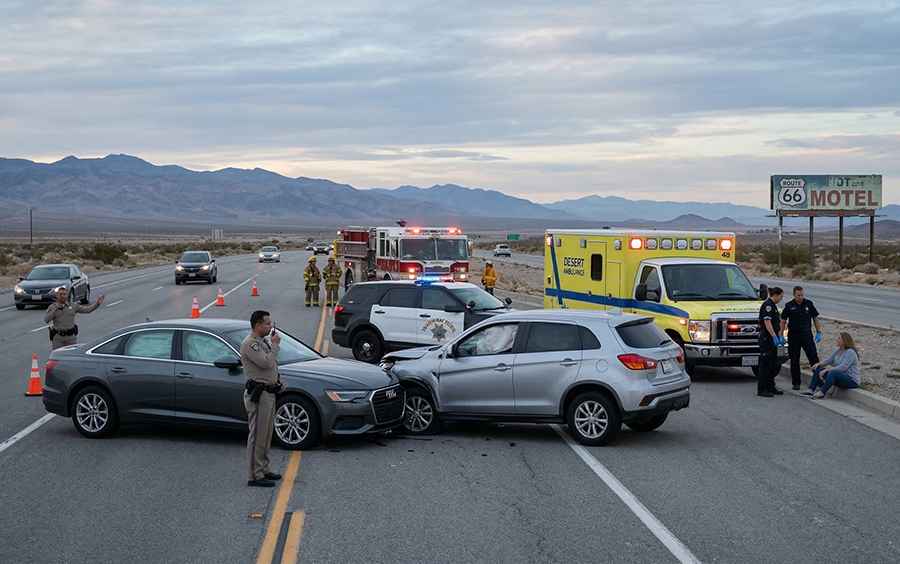
In California, specific laws govern how accidents must be reported, how evidence is preserved, and how long you have to file a claim. A car accident attorney in Los Angeles can guide you through these steps, but knowing the basics yourself is an important starting point. Here are the essential actions every accident victim should take.
Prioritize Safety and Seek Medical Attention
In the aftermath of an incident, your first priority should be to check for injuries and move to a safe location if possible. A prompt medical assessment is crucial, even if your injuries seem minor. It will create a record of timely treatment that will strengthen any future claim.
Delayed-onset injuries such as brain trauma, spinal injuries, concussions, and soft tissue damage may not manifest for hours or days. Under California's delayed discovery rule, the statute of limitations may be extended if injuries were not immediately apparent, but early medical documentation remains the strongest evidence linking your condition to the accident.
Contact the Authorities and Obtain an Official Report
It is important to report the incident to the police. The officers will file a report containing details like statements, diagrams, and observations. This report provides a neutral assessment of what happened. You should request a copy for your records. Both insurers and legal professionals rely on this document when evaluating claims.
In California, any driver involved in an accident resulting in injury or death must report it to local police or the California Highway Patrol within 24 hours. Separately, accidents involving injury, death, or property damage exceeding $1,000 must be reported to the DMV within 10 days using an SR-1 form. These are two distinct obligations.
Gather Evidence at the Scene
Take clear photographs of the vehicles, damage, road conditions, and visible injuries from different angles. You should also take pictures of traffic signals, stop signs, skid marks, and weather conditions. If witnesses are present, get their names and statements. Note the locations of any surveillance cameras; your attorney can send an evidence preservation letter to prevent footage from being overwritten.
In California, every driver involved in an accident is required to exchange specific information at the scene, including their name, address, driver's license number, vehicle identification number, and proof of insurance. Failure to comply is an infraction carrying fines up to $250.
Avoid Admitting Fault or Speculating
Conversations after a collision should remain objective. Do not speculate about fault or the reasons for the accident. Sometimes, people apologize out of habit or courtesy. However, these remarks can be taken out of context and used against you. Share the facts only with law enforcement, healthcare providers, and your lawyer.
This advice is especially important in states like California that follow a pure comparative negligence system, under which your compensation is reduced by your percentage of fault. This means even a casual apology or speculative remark that gets attributed to you as an admission could increase your assigned share of responsibility.
Notify Insurance Providers Promptly
It is important to communicate with insurance companies in a timely manner. Inform them about the accident as soon as possible. Share the facts without exaggerating or omitting any details. Insurers may request written statements or additional evidence. Delays in reporting can lead to complications or even denial of coverage. Maintain a record of every conversation for future reference.
In California, insurers are required to handle claims in good faith: they must investigate promptly, communicate honestly, and offer fair settlements. When they fail to do so, they may be exposed to additional liability. An attorney experienced with insurance disputes in California will know how to navigate each insurer's approach and hold them accountable.
Document All Expenses and Losses
You should keep track of medical expenses, repair invoices, prescription medications, transportation costs, and pay stubs documenting lost wages. You can also claim compensation for non-economic damages like pain and suffering, emotional distress, and loss of enjoyment of life. California does not cap non-economic damages in personal injury cases outside of medical malpractice, meaning thorough documentation of how the accident has affected every aspect of your life can significantly increase the value of your claim.
Consult a Legal Professional Early
Consulting an experienced lawyer early is one of the most important steps you can take to protect your case. A lawyer who understands the intricacies of California’s personal injury laws and can provide advice tailored to your situation and meet all deadlines. They can handle communications with insurers and opposing parties and meet all deadlines, such as the state’s two-year statute of limitations. Missing this deadline permanently bars your claim.
Conclusion
Protecting a car accident case requires timely action. Following these steps and consulting an attorney can help you protect your rights and the value of your claim. With these actions, anyone can confidently manage the aftermath of a collision and pursue fair resolution.