The Intersections Across the American South Where Drivers Are Most at Risk
Across the Southern United States, some of the most severe crashes happen where major roads cross at signalized intersections. These sites combine speed, heavy traffic, turning conflicts, and frequent stops, which raises the odds of high-impact collisions. When a crash happens there, the legal questions usually center on right of way, signal compliance, and how fault is divided.
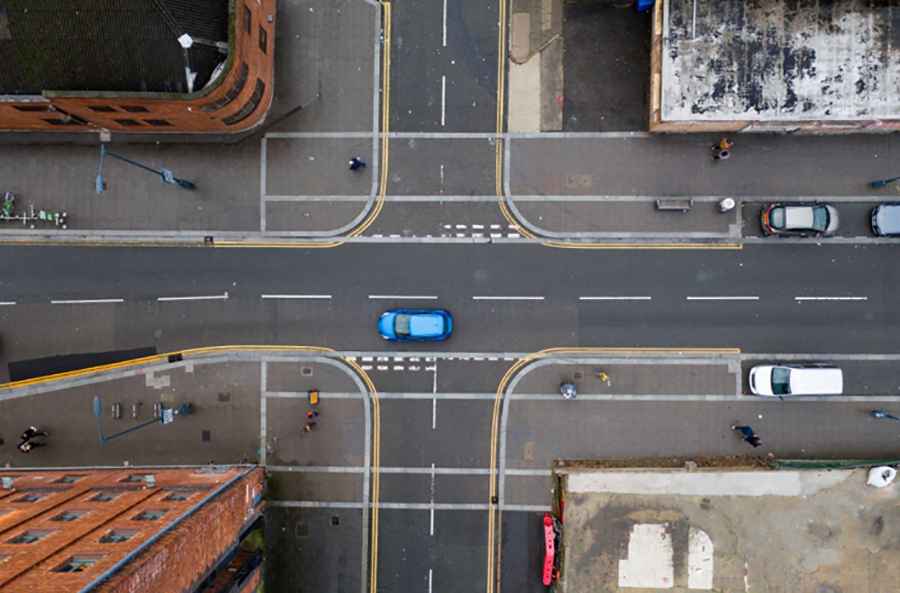
Why Do Certain Intersections Become Repeat Crash Sites?
Crash patterns cluster where fast arterials feed shopping corridors, highway ramps, and multi-lane crossroads, producing frequent lane changes and last-second turns. When people talk about the most dangerous Southern US intersections, they are often pointing to places where volume, speed, and complicated movements stack up in a small space. Signal timing can add pressure, especially when short greens, permissive left turns, or back-to-back, closely spaced lights lead drivers to brake hard or accelerate late.
National data helps explain why those locations matter: fatal crashes connected to intersections remain a persistent share of roadway deaths, and many occur in urban settings where signals and turning movements are common. Rapid growth across many Southern metropolitan areas has increased traffic volumes at older junctions that were designed for lower demand. The legal relevance is practical because intersection cases often turn on measurable facts, such as which movement had priority and whether a posted control was obeyed.
What Traffic-Control Rules Mean For Fault And Liability
After an intersection crash, fault typically turns on whether a driver followed the signal or sign, yielded when required, and kept a proper lookout. Those duties come from state traffic codes, which generally require obedience to signals and signs and impose special yielding rules for left turns and when entering from stop-controlled approaches. Insurers and courts also look at speed for conditions and whether a driver made an unsafe lane change while approaching the intersection.
A traffic-law violation can matter in a civil claim, but the legal effect depends on the state. Some states treat certain safety-statute violations as negligence per se, while others treat the violation as evidence that a jury may weigh, and exceptions can apply when compliance was impossible or safer noncompliance was reasonable under the circumstances. Fault can also be shared, and the amount you can recover may be reduced or barred depending on whether your state follows comparative fault or contributory negligence rules, which vary across Southern jurisdictions.
Evidence That Often Decides Disputes At Signals And Stop Signs
Drivers frequently disagree about the light color or whether a stop was complete, so objective proof can be decisive. Photos of signal heads and lane markings, dashcam clips, witness contact information, and nearby camera footage can clarify timing and positioning, especially in red-light and left-turn cases. Event data recorders in newer vehicles may also capture speed, braking, and throttle input right before impact, which can support or contradict driver accounts.
Red-light running remains a documented risk factor tied to severe intersection crashes, including fatalities. The Insurance Institute for Highway Safety tracks deaths in crashes involving red-light running and explains how these crashes happen at signalized junctions. Cell phone records and crash reconstruction measurements sometimes become relevant as well, particularly when distraction, reaction time, or point of impact is disputed.
When The Intersection’s Condition Becomes Part Of The Claim
Some cases involve more than driver conduct, such as a malfunctioning signal, a sign that is missing or obstructed, or pavement markings that misdirect traffic. The Federal Highway Administration’s MUTCD provides national standards for signs, signals, and road markings that many jurisdictions adopt or incorporate, which can shape what an agency is expected to install and maintain. Maintenance records, prior crash histories, and prior complaints can become relevant when the question is whether a hazard was known and left uncorrected.
Claims involving public agencies are often governed by sovereign-immunity rules, state tort claims acts, and special notice requirements that can shorten timelines and add procedural steps. Liability may also depend on whether the issue is treated as a discretionary design decision versus a more routine maintenance failure, since many states draw legal lines between those categories.
Understanding Your Next Steps After an Intersection Crash
Intersections with high crash rates create the same basic legal puzzle again and again: who had the right of way, what the signal indication required, and what evidence confirms the sequence. If you are injured, focus on preserving objective proof early and tracking deadlines that differ by state and can be shorter when a public entity may be involved. A careful record of the scene and the signal setting often matters as much as the damage photos, particularly at high-risk intersections where multiple traffic movements complicate the sequence of events.
Image Source