The Whiplash Trap and the Physics of the Unexpected Jolt
A sudden jolt from behind is one of the most jarring experiences a driver can face during a routine commute. Even at low speeds, the impact sends a shockwave through the vehicle that the human body is not prepared to absorb. It happens in a split second.
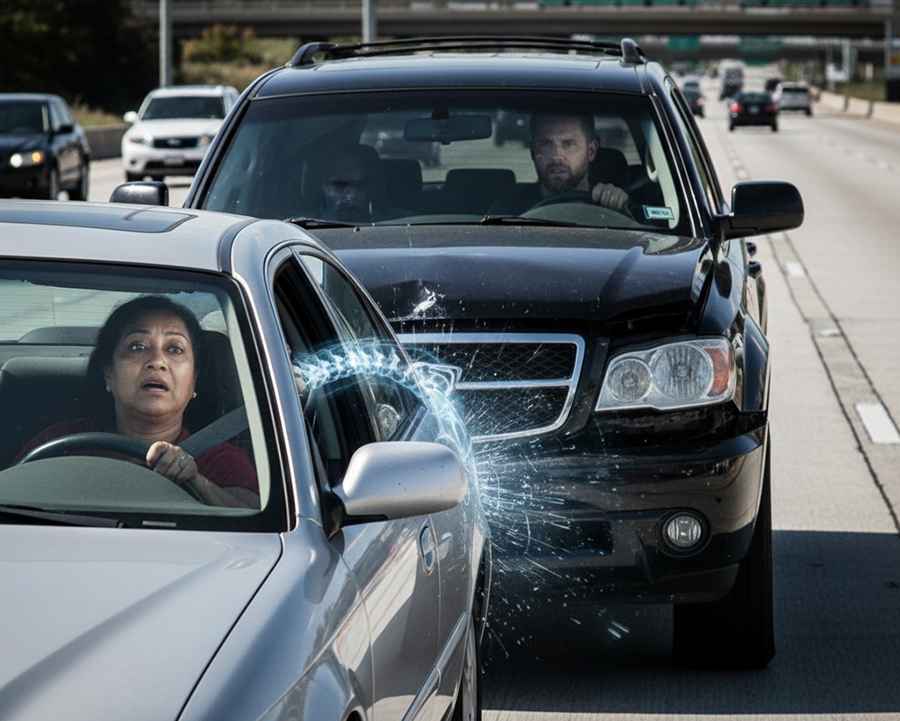
Many motorists walk away from these encounters thinking they have avoided injury because they do not see blood or broken bones. The silence of soft tissue damage is deceptive and often leads to long term physical struggles that appear days or weeks later. It is a common trap.
The neck is particularly vulnerable during these common rear-end accidents because it lacks the structural support found in other parts of the spine. Seeking a professional evaluation is the only way to identify the trauma before it becomes a permanent burden on your daily life.
The Mechanics of Spinal Whipping
When a car is struck from behind, the seat pushes the torso forward while the head remains momentarily stationary. This creates a violent S-shaped curve in the cervical spine as the neck is stretched to its limit. The force is concentrated on delicate ligaments and tiny spinal joints.
The headrest is supposed to prevent this motion, but many are positioned too low or too far back to provide real protection. As the head eventually snaps forward, the rebound effect causes secondary straining in the muscles. This rapid back and forth motion is where the term whiplash originates.
Ligaments and tendons are designed to be flexible, but they have a breaking point when subjected to high acceleration. Even a low speed impact can generate enough G-force to cause microscopic tears in these tissues. This internal damage is the root cause of the chronic pain that follows.
The Deception of Intact Bumpers
Modern vehicles are engineering marvels designed to protect passengers by absorbing as much energy as possible during a crash. However, bumpers are often built to bounce back after a low speed hit without showing any visible dents or scratches. This leads to a dangerous misconception about safety.
If the car does not crumple, the energy of the impact is not dissipated through the frame of the vehicle. Instead, that force travels directly through the seat and into the bodies of the occupants. A car that looks perfect on the outside might have transferred massive energy to the driver.
Insurance adjusters often point to a lack of property damage as evidence that no one was hurt in the collision. This logic ignores the basic physics of energy transfer and the fragility of the human spine. Metal is much stronger than the soft tissues that hold your neck together.
Recognizing the Late Arrival of Pain
Adrenaline serves as a natural mask that hides physical discomfort in the immediate aftermath of a terrifying event. In the minutes following a crash, your body is in survival mode and focuses on the logistics of the scene. You might tell the police you feel fine.
The true extent of the damage typically reveals itself the next morning or even several days later. Inflammation begins to set in around the injured nerves, leading to intense stiffness and a reduced range of motion. Simple tasks like checking your blind spot become agonizingly difficult to perform.
Beyond the physical ache, many victims experience cognitive issues like persistent headaches and a strange feeling of brain fog. These symptoms are often linked to the concussive force of the head snapping back and forth. Ignoring these warning signs can allow the condition to become chronic and debilitating.
Determining Responsibility on the Road
The legal system generally places a high burden of responsibility on the driver who is following behind. Every motorist is expected to maintain a safe distance that allows for a sudden stop, regardless of the traffic conditions. This creates a strong presumption of fault in these cases.
Distracted driving is the leading cause of these collisions, as even a quick glance at a phone removes the reaction time needed to brake. When a driver fails to pay attention to the car in front of them, they are liable for the resulting harm. Evidence usually supports this conclusion.
Documentation from the scene is vital for proving that the trailing driver was negligent in their duties. Police reports and witness statements help establish the timeline of events and the lack of any external excuses for the hit. Protecting your rights starts with a clear and factual record.
Conclusion
Addressing a neck injury immediately is the best way to ensure a full recovery and protect your future well being. What feels like a minor nuisance today can easily evolve into a lifetime of chronic pain and limited mobility. Your health is worth the time it takes to check.
From a legal standpoint, having a professional medical and legal assessment creates the paper trail needed for a successful claim. It prevents the insurance company from arguing that your pain is unrelated to the accident. Every detail matters when you are fighting for your quality of life.
The road to healing starts with acknowledging that your body took a hit, even if the car looks fine. By taking a proactive approach, you can avoid the long term traps associated with these common highway incidents. Fairness and health are the goals of a proper recovery process.