The Mathematical Reality of Risk on Modern City Streets
Urban mobility is defined by a series of calculated risks that every driver takes when they pull out of their driveway. The flow of traffic depends on thousands of individuals making correct decisions in real time while navigating a dense landscape.
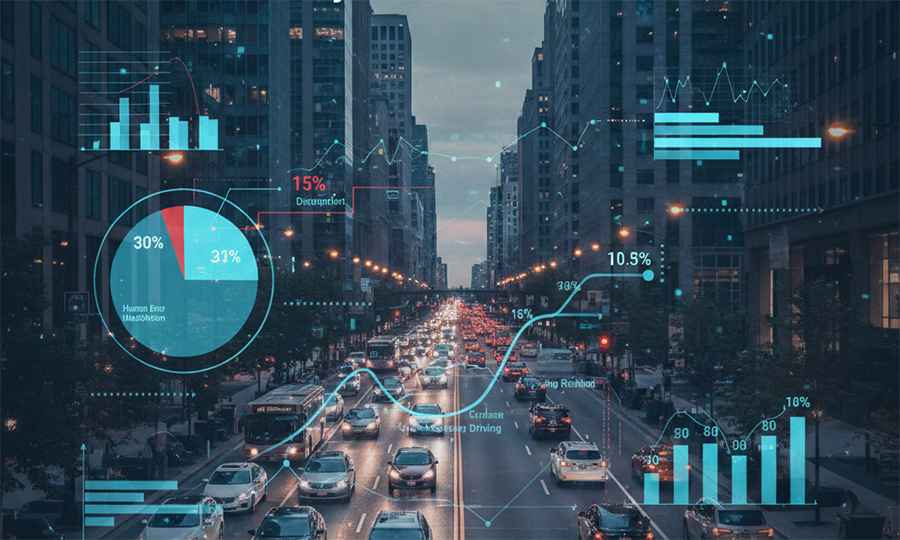
City planners and safety experts use empirical data to identify patterns that lead to collisions on our busiest roads. These numbers provide a clearer picture of where the system is failing and where improvements are needed most for the public.
Understanding the physical environment requires a look at the hard data collected by law enforcement and insurance agencies. These local car accident statistics reveal the hidden dangers of the commute and help motorists prepare for the unpredictable nature of the modern metropolitan roadway today.
Peak Times for Urban Collisions
Time is a major factor in the probability of a crash occurring on any given day of the week. The morning and afternoon rush hours represent the most dangerous windows because the sheer density of vehicles is at its absolute peak.
Commuters are often in a heavy hurry to reach their destination, leading to aggressive behavior and a decrease in following distance. This lack of patience creates a volatile environment where a single sudden stop can trigger a chain reaction for everyone.
Weekend trends also show a spike in serious incidents during the late night and early morning hours. Alcohol and fatigue often play a role in these events, turning a quiet night into a life altering emergency for those caught in the impact.
The Impact of Speeding and Distracted Driving
Human behavior remains the primary cause of almost every collision that happens in the city. Speeding is a persistent issue that reduces the amount of time a driver has to react to an unexpected hazard or a sudden stop.
The kinetic energy of a fast moving car makes the results of an impact much more severe for the occupants. Even a small increase in velocity can turn a minor fender bender into a catastrophic event that requires immediate medical care.
Distracted driving has become a modern epidemic as mobile devices compete for the attention of the person behind the wheel. Looking at a screen for even a few seconds is enough time to travel the length of a football field.
Demographic Data and Safety Profiles
Statistical profiles show that certain age groups are more likely to be involved in serious accidents. Young drivers often lack the experience to anticipate hazards or handle the complex dynamics of high speed traffic during a busy day.
Older motorists may face challenges with reaction times or changes in vision that impact their ability to navigate busy intersections safely. The data helps authorities target specific education programs to the groups that need them most for their safety.
Identifying these high risk groups allows communities to work together to improve the standards of driving for everyone and reduce the total number of injuries. This targeted approach ensures that the most vulnerable road users receive the protection they deserve.
The Influence of Weather and Seasonal Changes
The changing of the seasons brings new challenges to the road that require a shift in driving habits. Heavy rain and fog significantly reduce visibility and increase the distance needed to bring a heavy vehicle to a complete stop.
Winter months introduce the threat of ice and slippery surfaces that catch many people off guard during their daily commute. The first freeze of the year is often the most dangerous day for local motorists who are currently unprepared.
Summer heat also takes a toll on both the driver and the machine, leading to tire blowouts and mechanical failures. Being aware of these environmental shifts is a vital part of staying safe and protecting your family while traveling.
Navigating the Road with Data
Numbers provide a roadmap for understanding the risks that define our daily journey through the city. Paying attention to the trends allows a driver to make smarter choices about when and where they travel during the busy week.
Safety is a collective responsibility that requires every person to stay informed and alert. Using data to guide your behavior serves as a powerful way to reduce the likelihood of a collision and protect your health and assets.
The mathematical reality of the road is a reminder that accidents are rarely just bad luck. Vigilance and preparation are the best tools for navigating the modern streets and reaching your destination without any tragic or costly delays.