How do driver distractions compromise road safety and reaction times?
Technically, driving is a high-demand cognitive task that requires 100% of a driver's visual and mental processing power. Distracted driving is not merely a behavioral issue; it is a critical failure in the situational awareness required to operate a vehicle safely. When a driver's focus is diverted, the reaction distance increases exponentially, often making the difference between a controlled maneuver and a catastrophic collision.
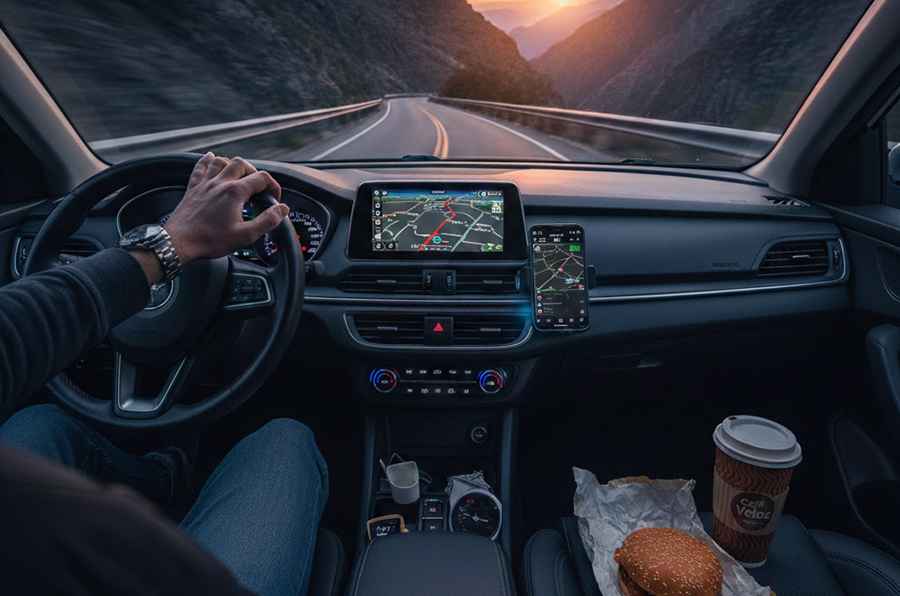
| Technical Impact of Distractions | |
|---|---|
| Visual Distraction | Eyes off road (e.g., mirrors, GPS, phones) |
| Manual Distraction | Hands off wheel (e.g., eating, adjusting controls) |
| Cognitive Distraction | Mind off driving (e.g., daydreaming, complex talk) |
| Reaction Time Increase | Up to 37% reduction in attention levels |
What is the technical impact of cognitive distractions like daydreaming?
Daydreaming is one of the most underreported yet lethal forms of cognitive distraction. Research indicates that approximately 62% of fatal crashes involving distraction are linked to drivers being "lost in thought." Technically, this means that while the eyes are physically on the road, the brain's occipital lobe is not processing visual data effectively. This results in "inattentional blindness," where a driver fails to perceive hazards like braking vehicles or changing signals, even when they are directly in the line of sight.
How do manual distractions affect vehicle control and steering?
Manual distractions, such as eating, drinking, or adjusting seats and mirrors while in motion, compromise the mechanical control of the vehicle. Technically, the hand-over-hand steering technique and the ability to perform emergency evasive maneuvers are impossible with only one hand on the wheel. Logistically, performing minor adjustments on high-speed highways increases the risk of lane departure. Safety protocols mandate that all cockpit configurations (seat, mirrors, climate control) be finalized before the vehicle is in gear to ensure the driver remains focused on the dynamic environment.
How do electronic devices and GPS alter reaction distances?
The use of cell phones and GPS interfaces is a triple-threat distraction: visual, manual, and cognitive. Technically, checking a device for just two seconds while traveling at 90 km/h (55 mph) means the vehicle covers over 50 meters (160 feet) completely blind. This significantly increases the braking distance required to avoid an obstacle. Even hands-free technology is not a total solution, as the cognitive load of a complex conversation reduces the driver's peripheral field of vision and their ability to anticipate the movements of other road users.
What are the hazards of rubbernecking on high-speed roads?
Rubbernecking is a dangerous form of external distraction that disrupts the flow of traffic and increases the likelihood of secondary accidents. Technically, when a driver slows down and turns their head to observe a crash scene, they lose their spatial orientation within their own lane. This sudden change in speed without warning forces following vehicles to brake abruptly, often leading to rear-end collisions. Maintaining a steady speed and keeping eyes on the forward path is essential for the logistical management of traffic safety near incident zones.