Dangerous Roads Are Not Just Highways When Bad Road Design Can Create City Liability in Texas
You probably drive city streets every day and, honestly, it’s easy to assume highways are where the real design dangers lurk. But urban roads? They can be just as risky, hiding hazards like barely-visible intersections, lousy lighting, or those abrupt lane shifts that leave you scrambling. If those flaws cause a crash, Texas law says the city might have to answer for it. If a city knew—or should’ve known—about a dangerous road feature and just left it, you might actually have a claim for damages.
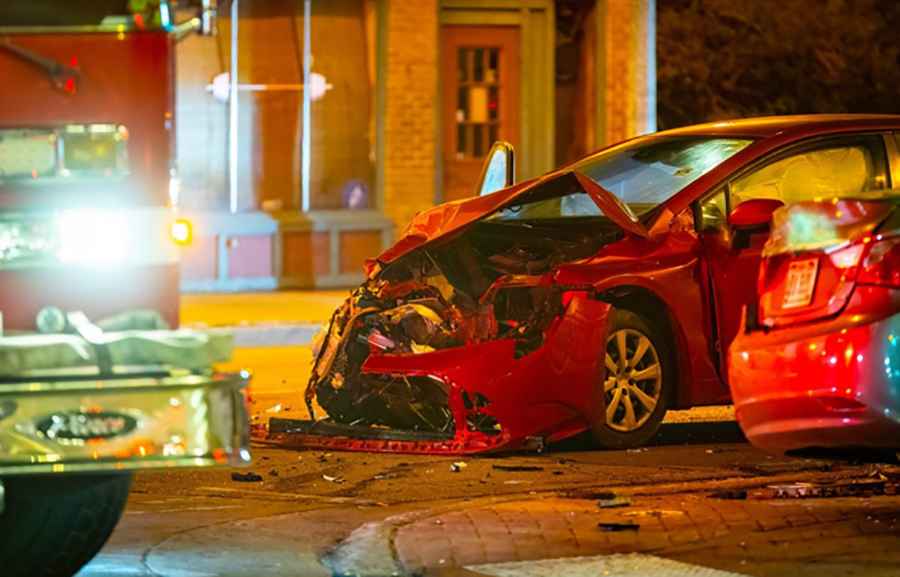
Here, we’ll break down how Texas cities can end up liable for unsafe urban streets, what kind of evidence matters, and why bad design isn’t just a theory—it leads to real wrecks. If you’ve been hurt on a dangerous street, you might want to talk to a Texas injury lawyer for a case review. It’s worth a chat, at least.
Understanding City Liability for Dangerous Roadways in Texas
Cities can be on the hook when streets or highways have hazardous conditions that cause injury or property damage. It usually comes down to whether the city knew about the problem, their duty to keep roads safe, and whether they’re protected by statutory immunities. Sometimes it’s surprisingly complicated.
Legal Standards for Municipal Responsibility
Texas law says cities have to keep public streets and highways reasonably safe. If you’re injured, you’d have to show the city owed you a duty, breached it by not fixing or warning about a known defect, and that this failure actually caused your injury. Notice can be actual (like, city workers were told) or constructive (the defect was there so long, the city should’ve noticed if they were paying attention). The usual suspects for claims? Potholes, missing or hidden traffic signs, bad signal placement, busted manhole covers, and drainage that leaves standing water.
Procedural stuff matters a lot: deadlines for filing claims, giving notice before you sue, and hanging onto evidence can make or break your case. Whether it’s a solo crash from a street defect or a pileup triggered by a sudden hazard, both can fit this liability framework—if you can tie the city’s neglect to what happened.
Texas Tort Claims Act and Immunity Exceptions
The Texas Tort Claims Act (TTCA) does let people sue the government for certain types of negligence, but only in specific situations. Under the TTCA, you can bring claims for property damage, injury, or death caused by a government employee’s negligent use of a motor vehicle or by negligent acts in proprietary functions. But here’s the catch: “discretionary-function immunity” often shields the city for big-picture design or planning decisions—like where a road goes, the general design, or policy calls—unless it’s more of a routine, ministerial duty.
To get past immunity, your claim has to fit a statutory exception. For example, if the city failed to fix a known defect or did such a bad job maintaining the road that it’s clearly negligent, that might fall under the TTCA waiver. Courts will look closely: was it an operational act (which could be actionable), or was it a planning decision (usually protected)? The line isn’t always clear.
How Bad Road Design Leads to Unsafe Urban Roads
Bad road geometry, missing or confusing controls, deferred repairs, and oversized vehicles on streets built for lighter traffic—all of these ramp up crash risk and make crashes worse. You’ll see the damage pile up at intersections, on stretches with broken pavement, and anywhere signals or signs fail to guide people safely.
Design Flaws in Intersections and Streets
Honestly, a lot of urban crashes start with intersections designed for speed, not safety. Wide, multi-lane approaches with faded lane markings let drivers make sudden moves and collide with pedestrians or cyclists. When curb radii are huge, drivers whip around corners faster, can’t see as well, and side-impact or pedestrian crashes become more likely.
If left-turn lanes are too short or just missing, drivers take riskier gaps. Mid-block crossings without markings and long distances between signals mean people end up darting through fast-moving traffic. Streets with inconsistent lane widths and no protected bike lanes put vulnerable road users right in the thick of it, making severe crashes and fatalities more likely.
Traffic Control Devices and Signage Issues
Signals, stop signs, and markings are supposed to make things clear—but when they don’t, crashes are pretty much inevitable. Badly timed signals create long lines, which lead to red-light running and dangerous lane changes. If a signal’s hidden behind a tree or pointed at a weird angle, drivers get confused about who’s supposed to go.
Missing, faded, or just plain contradictory markings and signs mean drivers make last-second moves. Unmarked crosswalks and weak pedestrian signals leave drivers oblivious to people crossing. And places with spotty signage near schools, bus stops, or construction zones? Crash rates go up because the controls just don’t match how people actually behave.
Poor Maintenance and Hazardous Conditions
Cracked pavement, potholes, and crumbling shoulders force drivers and cyclists to swerve—sometimes right into other cars or curbside hazards. Water pooled from clogged drains hides surface problems and makes skidding a bigger risk, especially when it’s raining.
Broken guardrails, missing reflectors, and busted streetlights make driving at night a gamble. When cities drag their feet fixing signals or signs, people are left without the guidance they need, right when it matters most. Delayed maintenance isn’t just an inconvenience—it creates real hazards that lead directly to crashes and injury claims.
Role of Vehicle Size and Modern Traffic Patterns
Bigger SUVs and pickups have really changed the way crashes play out, especially on streets that were originally meant for smaller cars. With all that extra mass and those higher front ends, drivers actually see less—especially folks standing at the curb. And honestly, the risk for pedestrians? It just goes up. When parking lanes are crowded with these oversized vehicles, the actual space for moving traffic gets squeezed. Suddenly, cars are edging into bike lanes or even nudging a bit onto the sidewalk. Not exactly what planners had in mind.
Then there are those suburban-style arterials slicing right through dense neighborhoods. You get fast traffic mixed with a ton of driveways and side streets, so local trips and people just trying to cut through end up in constant conflict. Add in the surge of delivery vans and all the ride-hail cars pulling over wherever they can—well, it’s a recipe for chaos at the curb. The old street designs just weren’t made for this. These days, it feels like dangerous intersections and last-second lane changes are almost baked into the system.