Bad Road Conditions in Texas: When a City Can Be on the Hook
Maybe you’re cruising down a street you’ve driven a hundred times, and—bam—a pothole, faded paint, or a missing guardrail sends everything sideways. If the city knew about the danger and just didn’t bother to fix it (and you’re still within the tight legal notice period Texas gives), the city might actually be responsible for your injuries and damages.
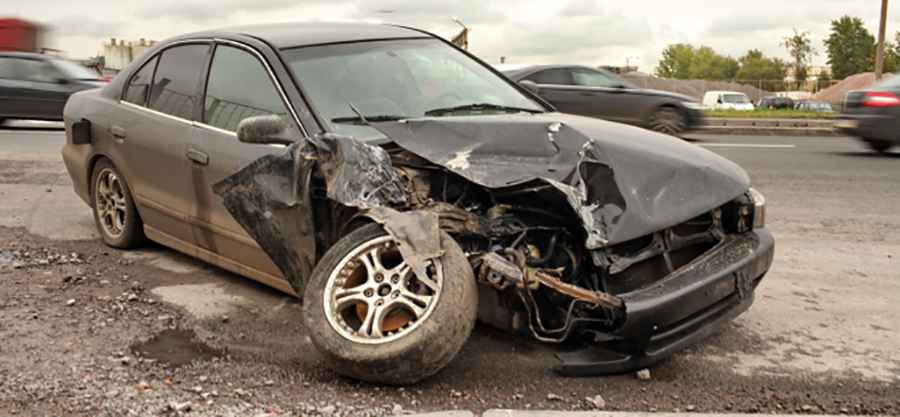
This article digs into when local governments have to answer for bad roads, what kind of proof actually sticks, and how to go after compensation if you’ve been in a crash caused by a road defect. If you’re staring down a mess and think you might need legal backup, don’t wait—reach out to a car accident attorney who knows Texas law and those all-important deadlines. Here’s a resource if you’re looking for Garland accident help.
When Cities Are Responsible for Bad Road Conditions in Texas
So, when is a city on the hook? Basically, if a dangerous road problem was something the city knew about—or should have known about—and they didn’t fix it in a reasonable time, that’s where liability comes in. It’s all about the kind of defect, who’s supposed to maintain that stretch of road, whether the city got proper notice, and if everyone followed Texas’s maze of claim procedures.
Key Road Defects That Lead to City Liability
Some road problems pop up again and again in claims against cities. Classic examples: monster potholes that blow out your tires, gnarly pavement dips that throw your car off balance, or deep puddles that make hydroplaning almost inevitable when it rains. There’s also the stuff you can’t see coming—like missing or hidden traffic signs, busted traffic lights, or faded lane stripes that make intersections a gamble. Guardrails? If they’re missing where you need them, or construction zones are a confusing mess, crashes happen. Depending on the road, it could be the city, county, or TxDOT that’s supposed to fix it—sometimes it’s tough to tell.
Legal Standards for Proving City Negligence
If you want to hold a city responsible, you’ve got to show they dropped the ball on keeping roads reasonably safe. That means proving: (1) there was a real, dangerous defect, (2) the city either knew or should’ve known about it, and (3) they didn’t fix it fast enough. “Should’ve known” often comes down to whether the problem was around long enough that city workers should’ve spotted it during their usual rounds. If you did something risky yourself, that can cut into your damages. Judges and juries want solid proof that the road issue—standing water, missing signs, broken guardrails—actually caused your injuries.
Texas Tort Claims Act and Sovereign Immunity
Texas doesn’t make it easy to sue the government. There’s something called sovereign immunity that blocks a lot of lawsuits, but the Texas Tort Claims Act (TTCA) carves out exceptions. If a property condition creates a predictable risk and the government knew about it, the TTCA might let you through. You usually have to file a notice of claim within six months (sometimes even less, depending on the city). There are caps on damages, and some immunities—like for discretionary decisions—still hold. Figuring out whether the city or TxDOT is responsible changes the rules and deadlines you have to deal with.
Evidence Needed to Hold Cities Accountable
Winning these cases is all about organized, timely evidence. Snap photos or shoot video of the pothole, the faded lane lines, the puddle, or the busted traffic light—make sure you have dates. Get your hands on police reports, crash reports, your medical and repair bills, and any witnesses who saw the hazard. Maintenance logs, old complaints, and repair orders can show that the city had notice. Technical statements explaining how a missing sign or janky pavement caused your crash make your case stronger. Keep timestamps and metadata for anything digital, and don’t forget to send your notice to the right government office before the legal clock runs out.
Proving Liability and Recovering Damages for Road Condition Accidents
Here’s how you show a city or contractor is to blame after a crash—and what you might actually get back. We’ll touch on deadlines, the evidence you need to hang onto, and why having a lawyer who can wrangle all this stuff is a good idea.
Filing a Claim Against a City or Contractor
If you’re thinking about going after a city in Texas, you’ve got to move fast. Usually, you have to send a written notice of claim to the city within just a few months after the incident. Miss that window and, well, your chances pretty much vanish.
Start gathering your evidence right away: pictures of the bad road, your car’s damage, and any traffic signs. Get the police report, talk to witnesses, and track down any surveillance footage if it exists. Ask the public works department for maintenance and inspection records, or file public info requests for contractor project documents.
If you’re dealing with a private contractor instead, it’s more like a regular injury case, but you still have to move quickly and keep your evidence safe. Accident reconstruction analysts and engineers who can connect the road issue to your crash are a big help. Don’t forget to include medical records and paperwork showing lost wages.
Types of Recoverable Damages in Texas
In Texas, you can ask for both economic and non-economic damages after a crash. Economic stuff covers your medical bills—ER visits, surgeries, rehab, future treatments. Lost wages and any drop in your ability to earn count too, as long as you can show pay stubs or get a vocational analyst to back you up.
Property damage (your car, out-of-pocket stuff like towing or a rental) is part of the deal. Non-economic damages—pain and suffering—are trickier, and courts look at how bad your injuries are and what you can prove. If someone died, wrongful-death damages can cover funeral costs and lost support for survivors, but you’ll need strong proof of what was lost.
Comparative fault can cut down what you get if you were partly to blame. Keeping detailed records—medical summaries, repair bills, a clear list of all your losses—makes it easier to get a fair settlement or win at trial.
Role of Legal Representation and Accident Lawyers
Let’s be real: handling a personal injury claim isn’t exactly a walk in the park. A good lawyer steps in to help claimants deal with all the procedural red tape and the sometimes tedious task of gathering evidence. They’ll handle drafting and filing that all-important notice of claim to the city, hash things out with adjusters, and, if push comes to shove, file suit before the clock runs out. If you’re in Texas, finding a car accident lawyer who actually knows their way around municipal law can really make all the difference in keeping your claim alive.
Attorneys don’t just talk—they’ll wrangle accident reconstruction pros, dig up maintenance records, and question city or contractor employees under oath. It’s a lot. They also pull together medical summaries, proof of lost wages, and damage estimates, bundling everything into a demand package that (hopefully) makes sense. If nobody can agree on who’s at fault, your lawyer will get ready for trial, lining up witnesses and technical reports to make your case as strong as possible.
Honestly, most people couldn’t afford to pay a lawyer up front, which is why contingency-fee arrangements are so common—they let folks pursue claims without draining their bank accounts. Having legal help on your side just boosts your odds of getting every last bit of documentation for things like medical bills, lost income, property repairs, and even wrongful death claims.