Most Dangerous Motorcycle Roads near Costa Mesa and Why Riders Crash There
We ride these roads for the promise of a quick shortcut or a scenic stretch, but let’s be real—some routes around Costa Mesa are way riskier for motorcyclists than others. Think heavy intersections, abrupt merge points, and a steady stream of commercial traffic—these are usually the big hazards causing most of the crashes near Costa Mesa. Knowing that up front lets you dial in your focus before you even throw a leg over the bike.
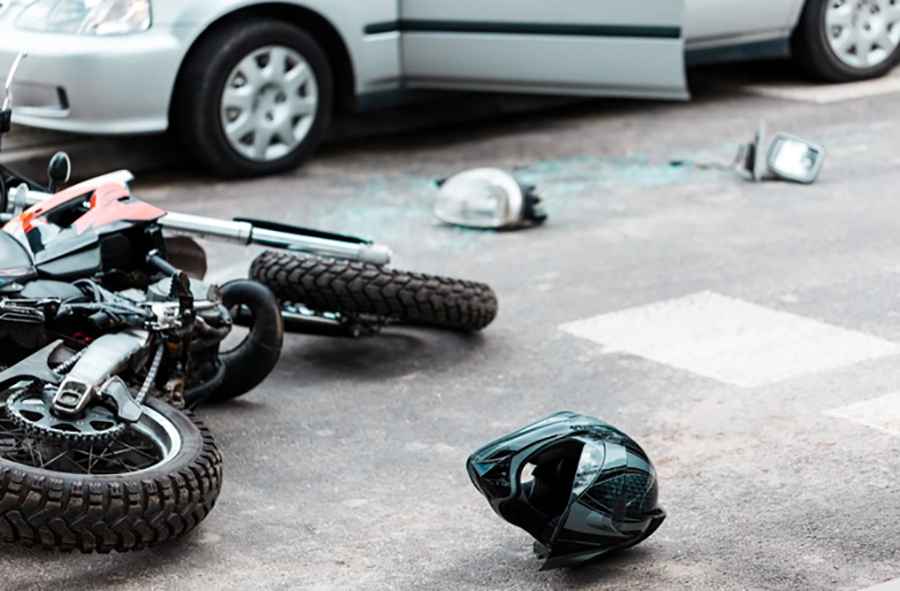
This article highlights the most dangerous roads and intersections around Costa Mesa, and digs into why riders tend to crash there. We’re talking everything from awkward signal timing and sneaky on‑ramps to retail gridlock and just plain too many cars. If you want a heads-up on specific trouble spots and how crashes actually go down, you’ll find some practical insights here, plus a link to a local motorcycle accident resource if you want to explore further.
Most Dangerous Motorcycle Roads and Intersections near Costa Mesa
Some streets and junctions in and around Costa Mesa just have a bad mix: busy traffic patterns, constant commercial access, and a ton of turning cars. Riders end up handling crowded arterials, sketchy sightlines at crossings, and intersections right next to freeway ramps—which, let’s face it, is a recipe for close calls.
Newport Boulevard and 22nd Street/Victoria Street
This intersection at Newport Boulevard and 22nd/Victoria? It racks up one of the highest crash counts in California. There are multiple lanes, left-turn pockets, and a flood of commuters, so you get all sorts of unpredictable lane changes and sudden stops—never great for riders.
The signals here? They’re not always on your side. Drivers get impatient, try to squeeze through late yellows, or whip turns without really looking. If you’re on a bike, it’s smart to keep your lane position obvious, slow down as you approach, and just expect someone to turn left or right in front of you.
It doesn’t help that commercial driveways and retail entrances are packed in right at the corners, so you’ve got cars popping in and out randomly. At night, glare from shop lights and the occasional jaywalking pedestrian shrink your reaction window even more—good lighting and reflective gear can make a real difference here.
Harbor Boulevard and Adams Avenue/17th Street
Harbor and Adams/17th? It’s a main north–south artery that feeds straight to the freeway ramps and nightlife spots. Heavy traffic, constant lane merges, and a parade of delivery trucks make it a minefield for anyone on two wheels.
Bottlenecks form near the ramps, so speeds jump around and can catch you off guard. Plus, with all the restaurants and bars, there’s always someone darting out from curbside parking or a pedestrian suddenly crossing. If you’re riding, look several cars ahead for brake lights and keep an eye out for vehicles drifting into the bike lane.
Signals don’t always have a dedicated left-turn arrow, so cars will just cut across your path if you’re not watching. Keeping a safe braking distance and reading drivers’ body language can save your skin here.
Victoria Street and Fairview/Paularino
Victoria at Fairview/Paularino is a headache: commercial traffic plus freeway access means a steady flow of delivery vans and commuters. There are multiple turning lanes and super short merge zones, so you get a lot of last-second moves between people going straight and those turning.
Trucks heading into business lots often swing wide, squeezing the space for motorcycles. And don’t get me started on the surface—curb cuts, utility covers, and random bumps, especially when wet, are just asking for a slip. If you can, stick to the middle of the lane (usually the cleanest) and avoid hanging out in truck blind spots.
Left-turn pockets and signal timing changes are unpredictable, so drivers can act weirdly. Bright gear and keeping your speed under control through here definitely help lower your odds of a surprise close call.
MacArthur Boulevard and Bristol Street
MacArthur and Bristol are right by big shopping centers, so traffic is nuts—lots of short trips, and a ton of right turns into parking lots. That means more cars crossing your path than you’d expect.
People pulling out of parking lots or attempting U-turns (sometimes with zero warning) make for sudden, awkward moves across the lanes. With all the through lanes and quick lane changes, it’s easy for a rider to get squeezed. You’ve got to scan for cars about to turn and always have an escape route in mind, just in case you get boxed in.
Delivery vans stopping in travel lanes are another headache—forcing everyone else to swerve. Checking your mirrors (and maybe even a helmet mirror) often is a good habit around here.
Surface Streets versus Canyon Roads
Urban surface streets in Costa Mesa? They’re full of close calls—tight traffic, tons of intersections, and curbside chaos. Short sightlines, stoplights, and cars going all sorts of speeds mean you’re always a little on edge.
Head inland to the canyon roads, and it’s a different game: higher speeds, sharper turns, and pavement that’s not always in great shape. There aren’t as many intersections, but blind curves, changing grip, and steep drop-offs mean that if you do go down, it’s probably going to hurt. Riding in a group? If you don’t keep your distance and pace, things can get sketchy fast.
Honestly, both types of roads demand your full attention. Make sure your tires and brakes are in good shape, wear something that stands out, and ride to the conditions. Scan way ahead on fast roads, and practice your braking and cornering so you’re ready for whatever comes up.
Key Reasons Motorcyclists Crash on These Roads
These roads are basically a perfect storm: heavy traffic, distracted (or worse, impaired) drivers, weird road layouts, and sometimes a little too much confidence from riders who think they know every inch. Each of these ups the odds of a crash, whether it’s a collision, a solo spill, or something more serious.
High Traffic Volume and Congestion
Places like Newport Boulevard, the 55 ramps, and Harbor Boulevard are basically always packed. More cars mean more lane changes and sudden stops. Stop-and-go traffic near malls and commuter exits is prime territory for rear-ends and sideswipes—especially for riders stuck next to a truck or SUV with no room to bail out.
Add in merging lanes and those tiny on-ramps, and you’ve got to be ready to change speed in a heartbeat. Riders need to watch all the lanes, avoid hanging in blind spots, and keep their options open for sudden moves. Less room to maneuver means if someone screws up, there’s a bigger chance you’ll get caught up in it—especially during rush hour.
And when crashes do happen in these conditions, the injuries can be way worse. Collisions at city freeway speeds or with big commercial vehicles? That’s when good gear and defensive riding really make the difference.
Distracted and Impaired Drivers
Phones, dashboard screens, people half-asleep at the wheel—you see it all the time around busy intersections and highway ramps. Most multi-vehicle crashes happen because a driver just doesn’t see the motorcycle while turning or merging.
After dark or on weekends, you’ve got to factor in drivers under the influence, too. Impaired folks have slow reflexes and drift all over the place, so there’s barely any time to react if they suddenly swerve or turn left across your path.
Staying safe means assuming someone else isn’t paying attention: always leave yourself an out, slow down near intersections, and keep more distance than you think you need. Bright gear and lights help, but honestly, nothing is foolproof when someone else is zoned out or drunk.
Road Design, Visibility, and Environmental Hazards
Tight curves (think Ortega Highway vibes), quick hills, and short sight distances on connectors mean you get less warning when something’s wrong. Badly banked turns and rough pavement are especially rough on sport bikes, or if you’re carrying a heavy load.
Debris, sand, and oil build up near gutters and lane edges, especially on the coast or near industrial areas. Lighting is all over the place—one second you’re in deep shade under an overpass, the next you’re blinded by sunlight, and suddenly you can’t see potholes or lane lines.
Weather near the coast can change in a snap—random wet patches or gusty crosswinds pop up out of nowhere. Best bet? Slow down, steer smoothly, and pick a line that keeps you away from sketchy pavement and blind spots. Sometimes, you just have to trust your gut and ride a little more cautiously than you’d like.
Complacency and Rider Error on Familiar Routes
When you ride the same streets every day, it’s easy to fall into a groove—maybe a little too easy. Routine can sneakily turn into overconfidence. You start expecting things to play out the same way every time, so you might push the speed a bit, put off checking for cross-traffic, or just assume that drivers will see you and yield, especially when you’re lane splitting or making a turn. That’s a gamble, honestly.
It’s not just newbies making mistakes, either. Sure, things like braking too late, botching a corner, or messing up throttle control still happen a lot—especially on those twisty backroads we all love. But even seasoned riders get caught off guard, like misjudging how much grip the pavement has after a cold snap or rolling into a construction zone that wasn’t there yesterday. Stuff changes fast.
So what helps? Well, running through low-speed drills now and then isn’t just for beginners. Mixing up your route keeps you on your toes, too—it’s surprisingly effective. And yeah, don’t slack on your gear; make sure it’s up to date. Staying sharp with your skills and actually paying attention to what’s happening around you really does cut down on those “how did that happen?” crashes.