How Many People Die in Car Accidents Every Year?
Car accidents are a leading cause of death and serious injury worldwide, leaving thousands of families devastated each year. Understanding the scale of the problem, common causes, and preventive measures is essential for drivers, policymakers,and communities.
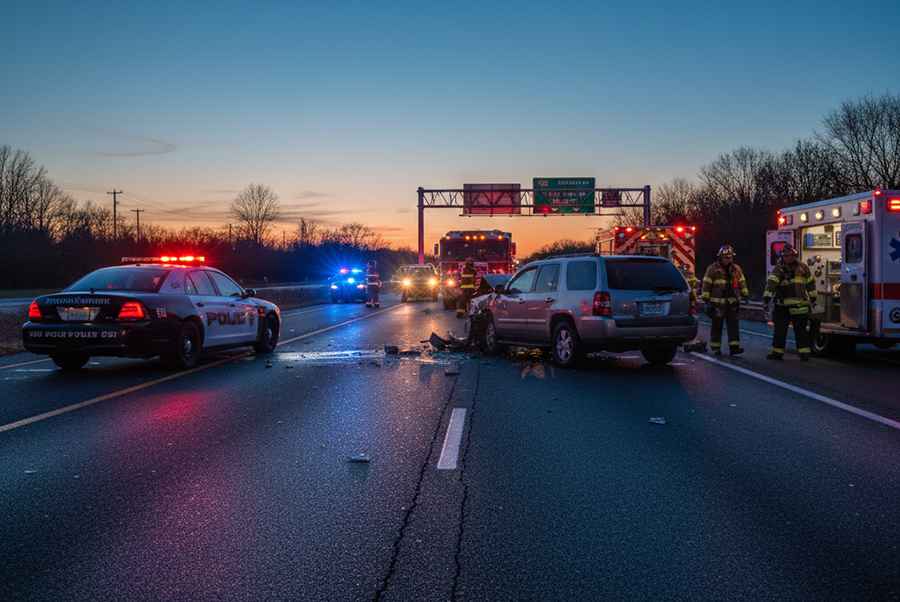
If you’ve lost a loved one in a fatal car accident, speaking with aHouston wrongful death lawyer can help you understand your legal options and seek compensation.
Car Accident Fatalities in the United States
According to the NHTSA, over 38,000 people die in U.S. car accidents annually, including drivers, passengers, pedestrians, and cyclists. Despite safety improvements, road accidents are still a leading cause of death, particularly for young adults aged 15-34. Various factors contribute to these fatalities:
- Distracted Driving: Mobile phone use, eating, and multitasking behind the wheel lead to thousands of deaths annually.
- Speeding: Driving above the speed limit increases both the risk and severity of accidents.
- Impaired Driving: Alcohol and drugs are involved in a significant percentage of fatal crashes.
- Reckless Driving: Aggressive behaviors like tailgating, running red lights, or unsafe lane changes contribute to collisions.
- Weather Conditions: Rain, snow, ice, and fog create hazardous driving environments that increase the likelihood of accidents.
Texas, with its extensive roads and high traffic, sees significant crash numbers. TxDOT reports over 3,000 annual car crash fatalities, stressing the need for road safety. If affected, consulting a wrongful death lawyer near me offers legal guidance.
Car Accident Deaths Worldwide
Globally, road traffic accidents claim an estimated 1.3 million lives every year, according to the World Health Organization (WHO). Millions more are injured, often resulting in long-term disabilities. Low- and middle-income countries experience the highest fatality rates due to less stringent traffic regulations, poor infrastructure, and limited access to emergency medical services.
Even in developed countries, distracted driving, impaired driving, and speeding continue to cause many fatalities. Experts, such asAbogada Kim Bruno, emphasize that understanding legal rights after accidents and promoting awareness are both important steps in reducing the global death toll.
Common Types of Fatal Accidents
Understanding the most common types of fatal accidents helps identify high-risk situations and adopt preventive measures:
- Motor Vehicle Collisions: Cars, trucks, and motorcycles account for the majority of deaths on the road.
- Pedestrian Accidents: Crosswalks, intersections, and urban streets are often sites of deadly accidents.
- Work-Related Road Accidents: Delivery drivers, truckers, and field employees face higher risks of fatal crashes.
- Drunk or Drug-Impaired Driving: Impaired driving remains a leading cause of fatal accidents in both the U.S. and globally.
Each type of accident has unique risks, but common preventive measures can reduce fatalities across all categories.
Preventive Measures to Reduce Car Accident Deaths
Preventing car accident deaths requires a combination of responsible driving habits and systemic safety measures:
- Follow Traffic Laws: Obey speed limits, traffic signals, and road rules consistently.
- Avoid Impaired Driving: Never drive under the influence of alcohol, drugs, or medications that impair alertness.
- Eliminate Distractions: Focus entirely on driving and avoid using mobile phones or other devices behind the wheel.
- Use Seat Belts: Seat belts are one of the simplest and most effective ways to reduce fatalities and injuries.
- Maintain Vehicles: Regular vehicle inspections and maintenance prevent mechanical failures that can lead to accidents.
- Drive Defensively: Be aware of other drivers, anticipate hazards, and maintain a safe distance from other vehicles.
By adopting these safety practices, drivers can significantly reduce their risk of involvement in fatal crashes. Families and communities benefit from fewer deaths and injuries, and the roads become safer for everyone.
Why Awareness of Car Accident Deaths Matters
Knowing how many people die in car accidents every year helps highlight the importance of road safety campaigns and responsible driving. Awareness encourages drivers to take precautions, policymakers to implement stricter safety laws, and communities to invest in safer road infrastructure.
In Texas, for example, many fatalities could be prevented by enforcing stricter seat belt laws, reducing distracted driving, and promoting public awareness campaigns on impaired driving. Awareness not only saves lives but also reduces the financial and emotional burden on families affected by car accidents.
Economic and Social Impact
Car accident deaths have a profound economic and social impact. Families lose loved ones and often face significant financial strain due to medical bills, funeral expenses, and lost income. Society also bears costs through emergency response services, healthcare expenditures, and lost productivity.
According to studies, road crashes cost the U.S. economy over $75 billion annually in medical costs and lost productivity. This emphasizes the importance of prevention, education, and enforcement of road safety measures.
Promoting Road Safety: A Shared Responsibility
Car accidents are largely preventable, and understanding the numbers is the first step toward safer roads. Practicing safe driving, staying alert, and following traffic rules can significantly reduce fatalities each year.
Communities, families, and policymakers all play a role in promoting road safety. Through awareness campaigns, education, and responsible driving, we can prevent accidents and save lives.