When Did Drunk Driving Become Illegal? A Look at History and Texas Law
Yes, drunk driving became illegal in the early 1900s, but the laws and enforcement methods have evolved significantly since then.While today driving under the influence is clearly prohibited, the legal framework and penalties have developed over more than a century. Understanding this history provides insight into why Texas takes DWI offenses seriously and what drivers should know to stay compliant with the law.
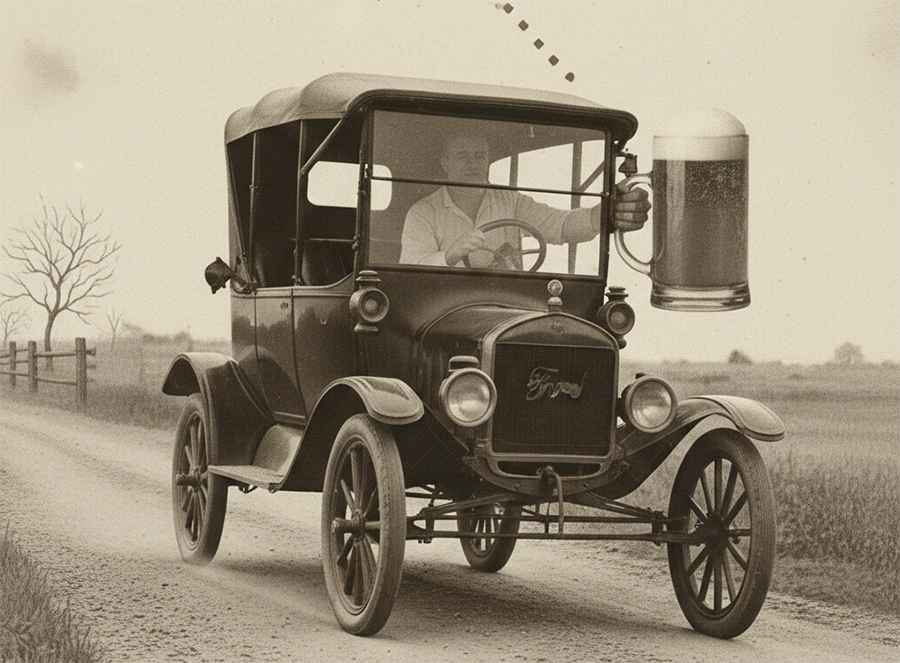
Our Houston criminal defence attorney emphasizes that knowing this history highlights why DWI laws are enforced so strictly and how victims can pursue justice when someone drives under the influence.
Early Efforts to Criminalize Drunk Driving
In the early 20th century, as automobiles became widespread, authorities started recognizing the dangers of alcohol-related driving. At that time, law enforcement had no scientific means to measure intoxication and had to rely on visible signs, such as unsteady movement, slurred speech, or erratic behavior, to judge whether a driver was impaired.
- 1906: New Jersey became the first state to criminalize driving while intoxicated.
- 1910: New York followed with a similar law.
- 1910s: California passed early DUI laws, though the exact level of alcohol that constituted impairment was not defined.
These early statutes marked the beginning of legal recognition that driving under the influence posed a serious threat to public safety, and anyone facing charges should consult a criminal defence attorney near me to protect their rights.
Scientific Advancements: From Drunkometer to Breathalyzer
The first attempt to measure intoxication scientifically came in 1936, when Dr. Rolla Harger invented the “Drunkometer.” This device estimated a person’s blood alcohol concentration (BAC) through breath analysis, providing law enforcement with a tangible measure of intoxication.
In the 1950s, Robert Borkenstein improved on this technology with the Breathalyzer, a portable device that became widely adopted. These innovations shifted DUI enforcement from subjective observation to objective evidence, strengthening prosecutions and paving the way for standardized legal limits.
Reform and Advocacy in the 1970s–1980s
Despite early laws and technological tools, alcohol-related fatalities continued to rise through the 1970s. Public outrage and activism played a major role in shaping modern drunk driving legislation.
In 1980, Mothers Against Drunk Driving (MADD) was founded by Candy Lightner after the tragic death of her daughter in a drunk driving accident. MADD’s advocacy prompted several major reforms:
- The National Minimum Drinking Age Act of 1984, which raised the legal drinking age to 21.
- Adoption of a 08% BAC standard nationwide.
- Enhanced state penalties and increased public awareness campaigns.
By 1988, drunk driving was illegal in every U.S. state, and the 0.08% BAC limit was fully implemented by 2004.
DUI vs. DWI: Understanding Texas Law
In Texas, adults are charged with DWI (Driving While Intoxicated), while minors under 21 can face DUI (Driving Under the Influence).
- DWI (Texas Penal Code §49.04): Adults operating a motor vehicle in a public place while intoxicated, with a BAC of 0.08% or higher or impaired faculties.
- DUI (Texas Alcoholic Beverage Code §106.041): Applies to minors under 21; any detectable alcohol can result in a charge.
From a legal perspective, these distinctions ensure the law addresses both adult and underage offenders appropriately, protecting public safety while providing clear standards for enforcement.
Modern Texas DWI Laws
Today, Texas strictly enforces DWI laws not only for vehicles but also for boating (§49.06) and flying (§49.05). Drivers are considered legally intoxicated if their BAC is 0.08% or higher or if alcohol or drugs impair their faculties. Commercial drivers face a stricter 0.04% BAC limit, and drivers under 21 are subject to a zero-tolerance policy.
Implied Consent and License Suspension
Texas law includes an “implied consent” rule. By driving, all drivers automatically agree to submit to breath or blood tests if suspected of intoxication. Refusal triggers automatic license suspension under the Administrative License Revocation (ALR) Program, even without a DWI conviction.
Penalties for DWI in Texas
Texas imposes severe penalties for DWI offenses, which can include fines, jail time, license suspension, ignition interlock devices, and mandatory alcohol education programs. The total costs, including legal fees and insurance increases, can exceed $10,000 even for first offenses.
- First Offense: Up to $2,000 fine, 3–180 days in jail, 1-year license suspension.
- Second Offense: Up to $4,000 fine, 30 days–1 year in jail, 2-year license suspension.
- Third Offense (Felony): Up to $10,000 fine, 2–10 years in prison, 2-year license suspension.
Why Understanding History Matters
Knowing when drunk driving became illegal and how laws evolved helps drivers understand the legal consequences of DWI today. It also highlights why Texas enforces strict standards and why victims of DWI accidents have legal recourse.
Steps to Take After a DWI Accident
If you or a loved one has been involved in a DWI accident, it is essential to seek guidance from an experienced Houston DWI lawyer as soon as possible. Having professional legal support ensures that your rights are fully protected and that you understand each step of the legal process. Early intervention can make a significant difference in the outcome of your case.
A skilled attorney can help you navigate the often complex legal system, gather evidence, and pursue compensation for injuries, medical expenses, lost wages, and property damage. They also provide guidance on dealing with insurance claims, negotiating settlements, and protecting your long-term interests following an accident caused by an intoxicated driver.