Driver Ergonomics: How to Audit Personal Gear for High-Risk Road Navigation?
Operating a vehicle on the world’s most demanding roads requires more than just mechanical readiness; it demands a professional approach to driver ergonomics and personal protection. High-altitude passes, extreme thermal fluctuations, and technical maneuvers place significant physical stress on the operator. Inadequate gear can lead to restricted movement, reduced blood flow, and thermal fatigue, all of which compromise situational awareness and reaction times. Auditing your attire is a critical component of mission safety, ensuring that every layer supports mobility and precise control of the vehicle’s interfaces in volatile environments. This guide analyzes the technical requirements for driver gear when navigating complex and hazardous terrains.
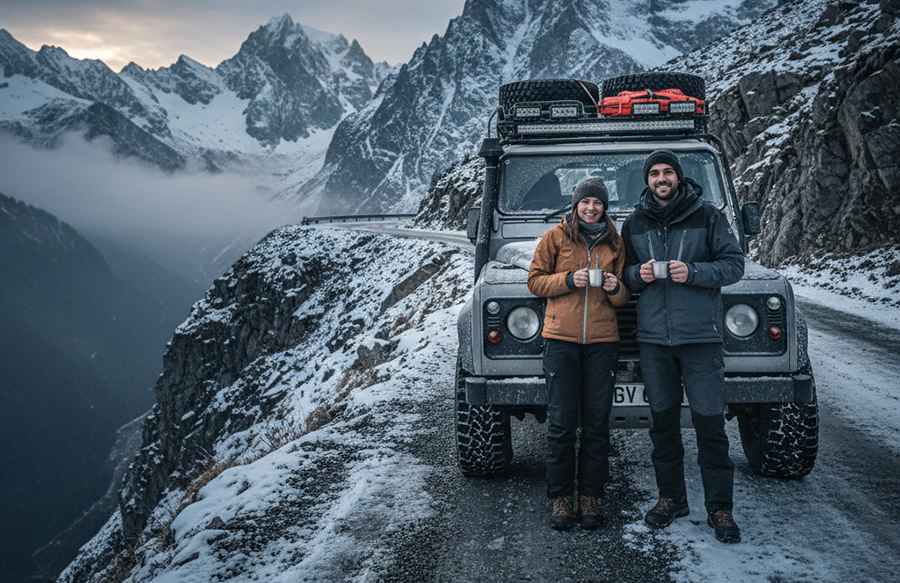
| Driver Gear & Ergonomic Audit Matrix | |
|---|---|
| Mobility Standards | High-stretch fabrics for unrestricted shoulder and leg movement |
| Thermal Control | Moisture-wicking base layers and weather-resistant shells |
| Footwear Precision | High-grip, low-profile soles for optimal pedal feedback |
| Visual Protection | Polarized optics for glare reduction and clarity in fog |
1. Ergonomic Mobility: Prioritizing Range of Motion
Technical driving on roads with high-frequency hairpin turns—such as the Stelvio Pass or the North Yungas corridor—requires constant steering input and pedal modulation. Attire that is too restrictive can impede the driver’s ability to execute rapid emergency maneuvers. A professional audit favors stretchable, synthetic fabrics that allow for a full range of motion without adding bulk. Avoiding heavy, traditional coats that burden the shoulders is essential for preventing long-haul fatigue. The objective is to maintain a "second-skin" fit that supports the body’s natural mechanics during intense physical operation.
2. Thermal Logistics: Managing External and Internal Climates
Environmental conditions on remote roads can shift from tropical humidity to alpine frost within a single transit. Managing this thermal volatility requires a modular layering system. Wicking base layers prevent moisture buildup, while breathable, weather-resistant outer shells protect against wind and precipitation without causing overheating. In regions like the Scottish Highlands or the Norwegian fjords, where fog and dampness are constant variables, maintaining a dry and stable core temperature is vital for sustaining the mental focus required to navigate high-gradient inclines and narrow lanes safely.
3. Footwear Dynamics: Ensuring Precise Pedal Feedback
The interface between the driver and the vehicle’s acceleration and braking systems is the footwear. On dangerous roads, utilizing high-heels, flip-flops, or overly bulky boots is a significant safety risk. Professional footwear for technical driving should feature a low-profile, high-grip sole that provides immediate feedback from the pedals. This ensures that the driver can feel the exact point of brake engagement and modulate throttle input with millimeter precision. Furthermore, durable footwear is necessary for those moments when the driver must exit the vehicle to inspect terrain or secure the perimeter in unpaved sectors.
4. Visual Integrity and Specialized Optics
Visibility is often the most compromised variable on hazardous roads. Glare from high-altitude sun or reflections from wet asphalt can lead to temporary blindness at critical moments. A professional gear audit includes polarized optics that reduce glare and improve contrast in flat-light conditions. However, using overly dark lenses in foggy or low-light environments can be detrimental. Choosing lenses with specific tints—such as amber or rose—can enhance depth perception and visual clarity through mist and precipitation, ensuring that road markers and hazards remain visible at all times.
Conclusion
Auditing your personal gear is as important as inspecting your vehicle's tires or brakes. By prioritizing ergonomic mobility, thermal resilience, and footwear precision, you turn your attire into a tool for safety on the world’s most dangerous roads. Professionalism in the cockpit begins with the gear you wear. Eliminating distractions caused by physical discomfort allows for total concentration on the technical demands of the terrain. Verify your gear, monitor your thermal comfort, and focus on the road. Precision in every detail is the only way to master the complexity of high-risk navigation.