Top Considerations When Selecting a Temporary Transit Option on Dangerous Roads
When the route ahead is risky, the vehicle and plan you choose can make the difference between a smooth trip and a stressful one. Temporary transit options range from rental cars to shuttles and private transfers, but the right pick depends on road conditions, your skills, and your tolerance for uncertainty.
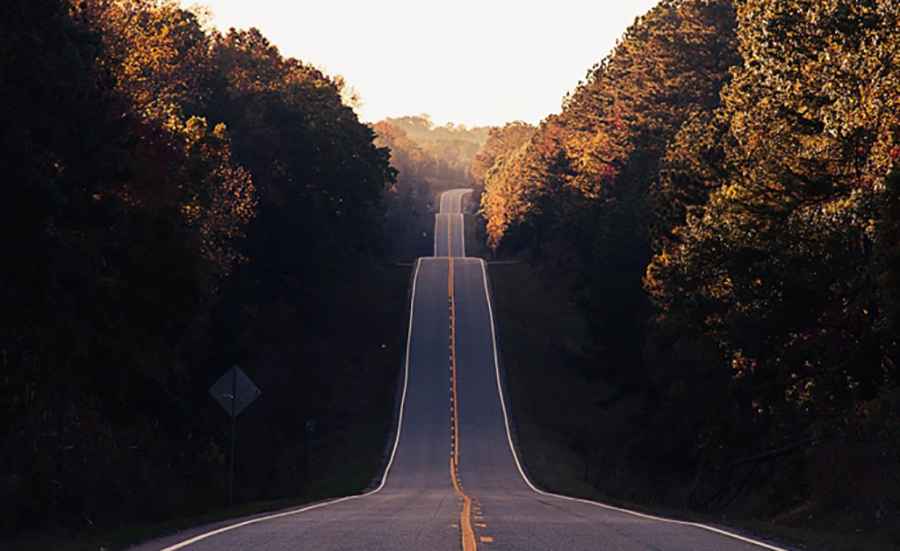
Know The Road Risk
Start with a clear view of present hazards on your corridor. Check for crash clusters, landslip zones, alpine passes, floodways, and long stretches without services. Match your risk tolerance to the worst segment, not the average one.
Scan recent works and alerts, then note how they change your exposure. An upgraded intersection or barrier can lower risk, while a detour through gravel can raise it. Treat each segment as its own decision point.
Public reporting helps you judge whether a risky corridor is getting safer. A 2024 state progress update highlighted substantial investment and dozens of completed safety projects, suggesting targeted improvements on key routes. That kind of detail can guide you toward safer options when routes look similar.
Plan Your Route And Timing
In tough conditions, the route is king. Study elevation profiles, fuel gaps, and bailout options so you can pivot if a pass closes. Build daylight windows into your plan, because wildlife and ice risks rise fast after dusk.
Your plan should tolerate delays and cancellations - if a shuttle is pulled or a transfer cannot reach you, Sydney airport Orana car rental can be a practical pivot mid-itinerary, especially when you need control over timing - and you will still want a fallback if weather shuts down a pass or slows traffic to a crawl. Keep a second choice ready that avoids the same chokepoints.
Time buffers are not wasted time. They let you refuel, check chains, and reassess conditions without rushing. A 30-minute margin can save hours if a small queue becomes a long closure.
Choose The Right Vehicle
Pick the machine for the terrain you actually face. On steep grades or unsealed shoulders, higher clearance, modern stability control, and strong brakes matter. If ice or slush is likely, choose all-wheel drive and request suitable tires.
Think about payload and space. Chains, traction boards, and extra water take up space, and loose gear can become a hazard if it is not secured. Confirm tie-down points and a flat load floor before you go.
Ask about tires at pickup. Fresh tread and correct pressures beat most gadgets when the surface gets slick. If winter or all-terrain tires are available, that upgrade can be cheap insurance.
Follow Local Rules And Operations
Know the rules before the gradient ramps up. Some corridors require chains when signs are active, and many restrict entry for vehicles without the right equipment. If you are unsure, ask roadside staff early rather than on a narrow shoulder.
Seasonal operations are a strong signal to prepare. Police and emergency agencies often run focused campaigns on risky corridors to enforce speed, chain use, and driver readiness. Expect compliance checks to increase during peak hazard windows.
Ahead of the last snow season, emergency services urged travelers to plan trips, carry required gear, and stay snow safe, reinforcing the need to prep and comply when conditions deteriorate. Treat announcements like these as prompts to slow down your timetable and sharpen your checklist.
Equip For Conditions
Pack to the hazard, then test your setup before you roll.
- Approved snow chains or textile socks sized to your tire
- Headlamp, high-visibility vest, and warning triangle
- Power bank and in-car charger
- Compact shovel and traction boards
- Emergency blanket, gloves, water, and snacks
- Paper map for no-signal zones
- Absorbent towels and a window squeegee
Drive To The Conditions
Traction is a strategy. Use gentle steering and throttle, and brake in a straight line before the corner. On long descents, shift down early to rely on engine braking instead of riding the pedal.
Space is safety. Double your following gap on wet tarmac and triple it on snow or gravel. Visibility changes fast in fog or whiteout, so slow down before you lose the view.
If conditions surpass your skill, stop and reset. Find a safe turnout to fit chains, wait for a plow, or recheck the forecast. The right call is the one that keeps you and the car intact.
Decide Between Shuttle, Transfer, Or Rental
Use this quick lens when the road looks sketchy.
- Shuttle: Lower individual risk, fixed timetable, can be canceled by closures
- Private transfer: Flexible routing, experienced driver, higher cost
- Rental: Maximum control and detour options, but you own the driving risk and the fine print
Match the mode to your confidence with chains, low grip, and emergency procedures. If you are fatigued or new to alpine driving, a professional at the wheel may be the safer choice. If you need flexibility and know the drills, a well-equipped rental can be the right tool.
Image Source: https://unsplash.com/photos/asphalt-road-between-trees-IUY_3DvM__w