Navigating Treacherous Mountain Passes to Reach the World’s Most Secluded Alpine Lakes
The pursuit of unmapped waters often leads drivers to the edge of the drivable world. Mountain passes in ranges like the Andes, the Himalayas, or the Alps present some of the most formidable driving challenges on the planet. These roads frequently consist of narrow gravel shelves cut directly into the cliff face. One small error in steering or braking can result in a fatal drop. Consequently, the reward for navigating these routes is access to glacial lakes that remain untouched by mass tourism.
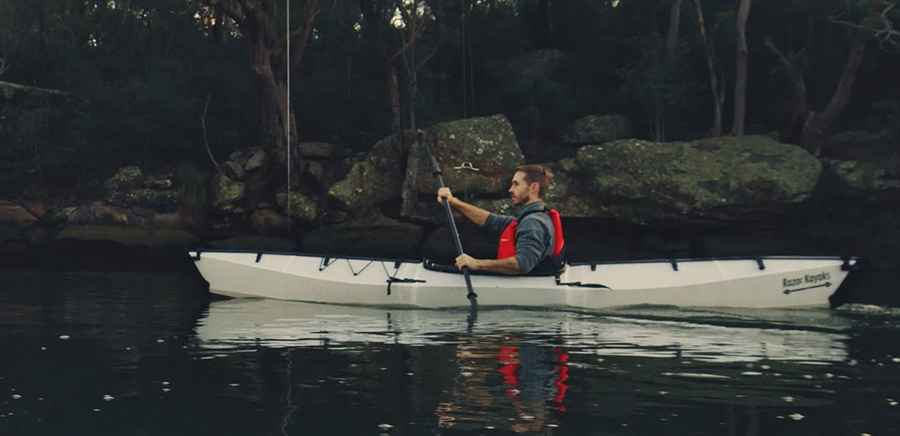
Accessing these remote bodies of water presents a logistical nightmare for traditional boating setups. Towing a trailer significantly increases the risk of catastrophe on narrow shelf roads where reversing is impossible. Therefore, safe exploration depends entirely on reducing the vehicle footprint to maintain agility. Equipment such as Razor Kayaks eliminates the need for towing by packing down sufficiently to fit inside the trunk. This capability ensures that the vehicle handles predictably on steep inclines and tight corners while still enabling water access.
Planning a route to a high-elevation lake requires a deep understanding of terrain and weather windows. Snow can block passes even in late summer months. Furthermore, oxygen levels at 4,000 meters affect both human cognition and mechanical performance. Drivers must account for these variables when calculating fuel range and travel time. A ten-mile section of the road might take three hours to traverse safely.
Analyzing the Logistics of High-Elevation Access
Vehicle Preparation for Extreme Gradients and Loose Surfaces
Driving on loose shale at a twenty percent gradient demands specific mechanical preparation. Tires must offer aggressive tread patterns to bite into shifting surfaces. In addition, lowering tire pressure increases the contact patch and provides necessary traction. This technique also reduces the chance of a puncture from sharp rocks. Drivers should carry a high-quality air compressor to reinflate tires once they return to paved surfaces.
Engine performance degrades predictably as altitude increases. Naturally aspirated engines lose approximately three percent of their power for every 1,000 feet of elevation gain. Turbocharged vehicles perform better but face higher risks of overheating due to the thinner air. Therefore, monitoring coolant temperatures is vital during long ascents. Stopping frequently allows the engine to cool down and prevents permanent mechanical failure.
Braking systems undergo immense stress during the descent from an alpine basin. Riding the brakes causes the fluid to boil and leads to total brake fade. Instead, drivers must rely on engine braking by selecting low gears. Using the transmission to control speed keeps the service brakes cool for emergencies. This technique is non-negotiable on roads like the Paso de los Libertadores or the Karakoram Highway.
Overcoming Physical Constraints on Narrow Serpentines
The Geometry of Hairpin Turns
Mountain switchbacks often feature turning angles sharper than 180 degrees. Long wheelbases struggle to navigate these turns without multipoint turns. Adding a trailer to this equation makes many passes mathematically impossible to drive. The trailer wheels will cut the corner and likely drop off the road edge. Once a trailer wheel leaves the road, recovering the vehicle becomes a dangerous salvage operation.
Strategic Packing for Self-Sufficiency
Weight distribution plays a critical role in preventing vehicle rollovers. Placing heavy items on a roof rack raises the center of gravity significantly. This instability becomes dangerous on off-camber sections of the trail. Therefore, packing heavy gear low inside the vehicle chassis is the safest approach. This storage requirement reinforces the need for collapsible watercraft and compact camping equipment.
Every cubic inch of interior space matters when carrying recovery gear and supplies. Food, water, and fuel take priority over bulky recreational items. However, modern materials allow for full-sized capability without the bulk. High-quality portable kayaks and tents use drop-stitch technology or advanced alloys to save space. This efficiency allows overlanders to remain self-sufficient for days without sacrificing the tools needed to explore the lake.
Sustainable Access to Fragile Ecosystems
Alpine lakes possess delicate ecosystems that regenerate slowly due to the cold temperatures. Pollution introduced by vehicles or boats remains in the water for decades. Overlanders must adhere to strict leave-no-trace principles. This includes carrying out all waste and ensuring no oil leaks from the vehicle contaminate the ground. Responsible exploration ensures these locations remain pristine for future generations.
Biosecurity is another overlooked aspect of moving between isolated water bodies. Invasive species can travel on wet gear from one lake to another. Organisms like rock snot or invasive mussels destroy local biodiversity. Thus, adventurers must dry and clean their equipment thoroughly before entering a new watershed. Transparency regarding where gear has been used helps protect these rare environments.
Completing the Expedition Safely
The journey does not end until the vehicle returns to civilization. Weather in the mountains changes rapidly and can turn a dry track into a mudslide in minutes. Drivers should always have a secondary exit strategy in case the primary pass becomes blocked. Satellite communication is often the only way to call for help in these dead zones. Preparation and respect for the environment are the defining traits of a successful expedition.