What Are the Risks of Driving in Challenging Areas?
A narrow lane beside a drop feels calm, until the first tight bend arrives quicker than expected. Your hands tense, and your eyes jump between the edge line and the next sign ahead. On roads like these, small timing errors can stack into real danger within just seconds.
Some drivers also carry legal duties after a DUI or another serious violation on record. That pressure can sit quietly in the passenger seat, even on an ordinary commute home. If you are getting help with FR-44 coverage, you already know proof rules can change daily routines.
Why Challenging Roads Punish Small Mistakes
Challenging routes pack steep grades, blind corners, and uneven pavement into short stretches with little recovery space. Your brain must judge speed, spacing, and grip while watching for oncoming traffic and roadside hazards. When attention slips for a moment, the road can punish you with a sudden slide.
Elevation changes hide threats that would be obvious on flat roads with wide shoulders and clear sightlines. A crest can block a stopped vehicle, and a dip can mask standing water at speed. On narrow shoulders, a gentle drift can become a rollover when the surface drops away sharply.
Drivers react differently under stress, and that mismatch can create conflict inside the same lane. Some brake early in corners, while others cut lines and drift toward the center stripe. That speed gap raises passing risk and increases the odds of hard, head on impacts.
Weather, Visibility, And Surface Changes
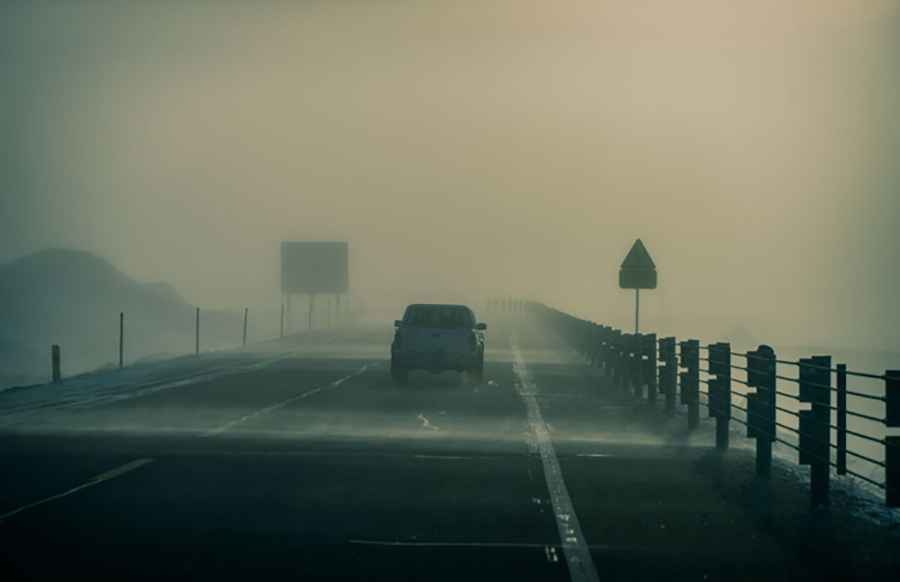
Weather risk is not only rain, since light, wind, and temperature can shift grip and sight in minutes. Shade can hold ice longer, and low sun can hide pedestrians as you exit a tunnel. Fog can flatten depth cues, which makes corners look wider and makes braking feel delayed.
Surface changes also matter, because traction varies across asphalt, concrete, gravel, and painted markings on curves. Wet paint can act like a slick strip, and loose gravel can roll under tires at speed. In mountain areas, rockfall can drop sharp debris into lanes without warning, even on clear days.
Planning helps when you treat conditions as a timing problem, rather than a test of nerve. If storms are forecast, choose daylight travel and shorten your plan so you are not racing fading light. Those choices cut fatigue and reduce the urge to push through a risky stretch late.
The Money Side Of One Bad Moment
A crash on a hard road often costs more, because secondary impacts are common on slopes and tight corridors. A vehicle can slide into another lane, strike a barrier, and then rebound into traffic again. Towing, storage, and rental bills can rise quickly while fault is still being reviewed today.
Liability can be the largest bill, because injuries can bring treatment costs and time away from work. Claims may include long term care, lost wages, and the cost of replacing damaged property or equipment. For context on impaired driving risk, review NHTSA drunk driving statistics and safety resources online.
Even if you are not at fault, you may pay a deductible before repairs begin. If limits are low, you can still face bills after the policy pays out fully. That is why challenging roads can expose gaps that feel invisible during routine city driving.
After a serious crash, the record matters, because insurers and courts often review what happened before impact. Speed, following distance, tire tread, and phone use can shape fault findings and claim decisions. A single citation can affect coverage outcomes and raise premiums for years afterward for many drivers.
DUI Records, FR-44 Filings, And Coverage Gaps
A DUI conviction adds another layer of risk, because states may require proof of higher liability coverage. In Florida, that proof is often filed as an FR-44, which confirms required limits with the state. The filing is a compliance step, and it can also affect pricing, options, and policy availability.
FR-44 rules are strict about continuous coverage, so a lapse can trigger another suspension even without driving. Missed payments, cancellations, or slow paperwork can create a gap that blocks reinstatement for weeks. Many people also mix up FR-44 and SR-22, so clear terms help prevent mistakes.
A short checklist can keep the process calmer during renewals, moves, or changes in vehicles. Each item is phrased as a full sentence, so you can verify it quickly and clearly. Keeping dated notes also helps if you need to show timing to a court later.
- I know the start and end dates for my FR-44 requirement, based on my license record.
- I have confirmed the liability limits required, and I know how renewals affect those limits.
- I understand what counts as a lapse, including payment timing, cancellations, and carrier changes between policies.
What To Do If Something Goes Wrong
Right after a crash, protect people first, then protect the scene so another driver does not strike you. Move out of traffic if you can do it safely, and turn on hazard lights right away. If anyone is hurt, call emergency services right away and avoid moving the injured person.
Weather can keep changing during a stop, so treat the scene like conditions may get worse soon. The FHWA Road Weather Management program explains how weather affects road conditions and travel safety. If visibility is dropping, stay belted in the vehicle until help arrives and traffic slows.
Documentation protects you later, because memory fades and other accounts may not match what you saw. Take photos of vehicle positions, skid marks, debris, damage, and any posted warnings nearby at scene. Share facts with your insurer, keep copies of reports, and track medical visits and repair bills.
Practical Takeaway For Safer Drives
A challenging road demands respect, yet the bigger risk is the financial and legal fallout after a mistake. Drive with space, plan around weather, and keep your coverage rules straight after serious violations. That mix reduces crash odds and limits damage if trouble still happens later on again.
Photo by 光曦 刘