Measures Drivers Can Take to Avoid Getting Distracted While Driving
Every year, thousands of car crashes happen for a reason that seems harmless at first: distraction. A quick glance at a phone screen, reaching for a drink, or changing the music — it all adds up. According to the National Highway Traffic Safety Administration (NHTSA), taking your eyes off the road for just five seconds at highway speed is like driving the length of a football field blindfolded. That’s a chilling thought.
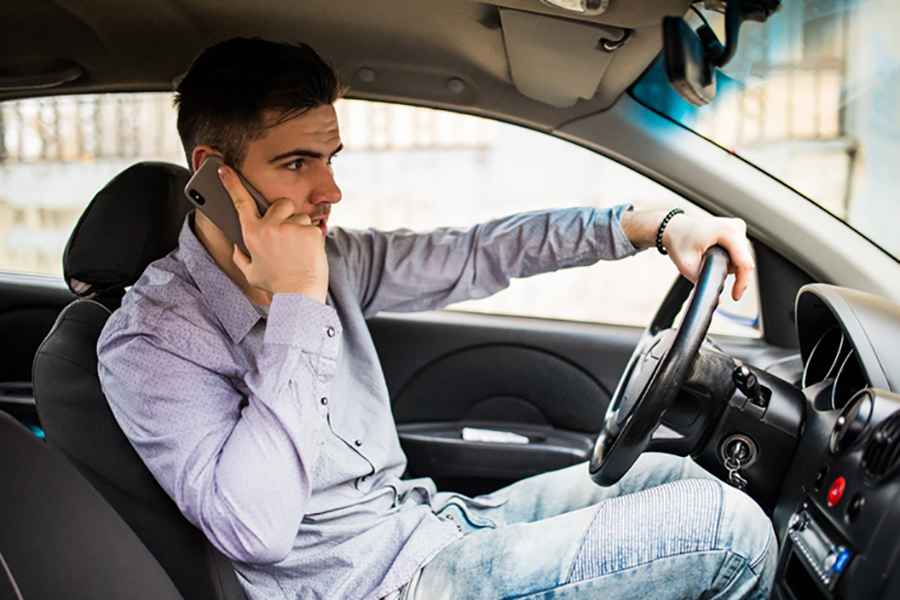
What’s worse is that many drivers don’t even realize when they’re distracted. It’s not always texting or scrolling that causes trouble — sometimes it’s daydreaming, eating, or even chatting with passengers. The result? A single moment of lost focus can lead to a distracted driving accident, changing lives in an instant.
Distractions are sneaky because they don’t feel dangerous. Your brain tricks you into thinking you can handle two things at once — but you can’t. Human attention works like a spotlight: it shines on one thing at a time. When that focus flickers, reaction time slows, and awareness fades.
That’s why staying alert starts with knowing your limits. Awareness doesn’t just help you react faster. It helps you avoid risky situations before they happen.
How to Stay Focused Behind the Wheel
Distractions don’t just come from phones. They come from habits, noise, and even your own thoughts. Staying focused takes practice, but the payoff is huge — fewer mistakes, fewer close calls, and less stress on the road.
1. Put Your Phone Out of Reach
Phones are the biggest cause of driver distraction. Texting, scrolling, or even glancing at notifications can instantly split your attention. The safest move? Keep your phone out of reach and out of sight.
- Use “Do Not Disturb While Driving” mode.
- Mount your phone only if you need GPS, and set it before you start driving.
- If you need to call or text, pull over first.
In many states, it’s also the law. For example, the U.S. Hands-Free Law bans handheld phone use in over 30 states. Fines can range from $50 to several hundred dollars for repeat offenses.
2. Secure Anything That Can Move
Loose items can slide, roll, or fall, and your instinct might be to grab them. Don’t. Reaching for dropped objects causes more crashes than most people think. Before starting the car:
- Stow bags, cups, or gear where they won’t shift.
- Use cup holders and storage bins.
- If something falls, wait until you’re parked.
3. Eat and Drink Before You Drive
Eating behind the wheel may seem harmless, but juggling food, steering, and traffic is a risky proposition. Hot drinks spill, wrappers distract, and greasy fingers slip on the wheel. Take five minutes to eat before heading out.
4. Keep Conversations Calm
Passengers can be great company, but they can also be a big distraction. Laughing, arguing, or turning around to talk breaks focus. If you have younger kids, plan ahead:
- Give them snacks, music, or books before starting the trip.
- Pull over if they need attention.
Teens driving with friends should be extra careful. Many states have graduated driver licensing (GDL) laws that limit passengers for new drivers to reduce distracted driving accidents.
5. Plan Before You Go
Set your route, climate control, and music before you put the car in gear. Adjusting settings on the move pulls your eyes off the road and hands off the wheel.
Quick checklist before leaving:
- Check mirrors and seat position.
- Set navigation and volume.
- Buckle up and silence notifications.
6. Recognize Mental Distractions
Even if your hands and eyes are focused, your mind might wander. Fatigue, stress, or strong emotions can make you zone out. If you feel foggy:
- Take a short break.
- Breathe deeply and refocus.
- Delay the trip if you’re too upset or tired.
Quick Recap
- Keep your phone out of reach.
- Secure loose items before starting the car.
- Eat and drink only when parked.
- Keep conversations calm and focused.
- Set routes and controls before driving.
- Rest and reset if your mind wanders.