The Role of Federal and State Trucking Regulations in Accident Claims
Truck accidents are usually complex. The consequences of a truck accident are generally greater than those of a car accident. The outcome of these cases is often determined by the web of federal and state rules designed to keep big vehicles safe. When you understand how those regulations function, it can make a world of difference if you or someone you love is seeking compensation after a serious crash.
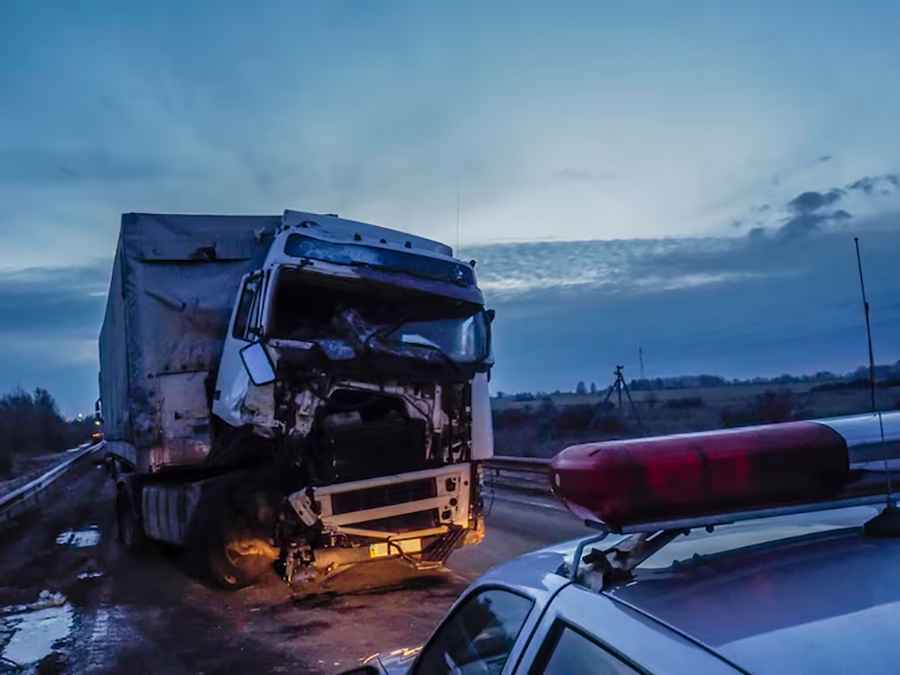
Oklahoma City is a major hub for trucking, as several highways and commercial routes pass through the area. More trucks on the roads mean a greater chance of accidents involving commercial vehicles. As the legal process after a trucking accident in OKC is complex, it is best to hire a lawyer to guide you.
Why Trucking Regulations Matter
Truck drivers and trucking companies must comply with regulations set by the Federal Motor Carrier Safety Administration (FMCSA) and Oklahoma state law. The purpose of these rules is to prevent accidents, minimize driver fatigue, and guarantee the roadworthiness of commercial vehicles.
Key Federal Trucking Rules That Impact Claims
Most commercial trucks that operate on state lines are regulated at the federal level. Some of the most important federal trucking rules include hours-of-service limits, which restrict how long a driver may remain on the road.
- These limits are intended to prevent fatigue-related crashes.
- Trucking companies must ensure their vehicles are safe to operate by inspecting and servicing them according to required maintenance standards.
- The regulations outline the requirements for drug and alcohol testing for drivers.
- There are standards for cargo loading that prevent rollover or jackknife accidents.
A driver exceeding legal driving hours, or the company failing to address faulty brakes, can be vital pieces of evidence in establishing liability.
Oklahoma State Regulations and Their Role
Oklahoma law works alongside federal standards. In intrastate trucking, state rules can apply even in cases where federal rules do not. Oklahoma also enforces several additional trucking requirements, including:
- Weight limits for commercial vehicles
- Commercial driver licensing requirements
- Minimum insurance requirements for trucking companies
When these laws are violated, it may strengthen an accident claim by establishing negligence under state law.
Proving Violations After a Truck Accident
Truck accident cases hinge on evidence that most people would not consider. Such evidence includes driver logbooks, GPS data, black box data, maintenance records, and employment files. These records demonstrate the potential violations of regulations and the trucking company's failure to fulfill its legal obligations.
It is important that this evidence is secured quickly, as trucking companies move fast to protect themselves after a crash.
How Regulations Affect Compensation
Proven regulatory violations can enhance the value of a claim. This evidence may show that the crash resulted from negligence rather than mere chance. For instance, a trucking company may have ignored safety regulations in an effort to cut costs. In extreme scenarios, that could pave the way for higher compensation.
Key Takeaways
- Truck accident claims depend upon federal regulations and Oklahoma trucking regulations.
- Any infraction of the rules of safety can be a powerful indicator of fault.
- Data like logbooks and repair records is crucial.
- Demonstrating regulatory failures can significantly increase potential compensation.
- Truck accident cases demand a thorough review of applicable laws and facts.