Safety Essentials for Anyone Driving Through Australia's Toughest Passes
Australia's mountain passes and challenging roads offer some of the most spectacular driving experiences in the world. From the serpentine bends of the Great Alpine Road to the treacherous descents of McKillops Road, these routes test even the most experienced drivers.
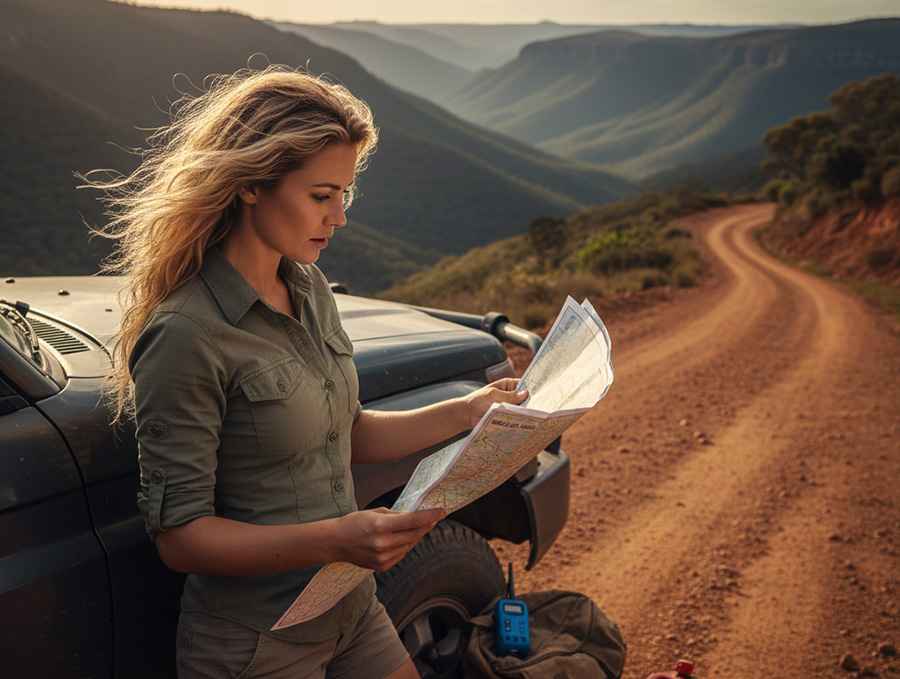
But with breathtaking beauty comes genuine hazard, and knowing how to navigate these roads safely is essential for any Australian driver or adventure-seeking tourist.
Here's what you need to know before taking on Australia's most challenging passes.
Understanding the Unique Challenges
Australia's toughest mountain passes present distinct hazards that differ significantly from those of everyday driving. Steep gradients often exceed 10%, with some sections reaching 15-16% on routes like Tamborine Mountain Road.
These inclines place enormous stress on your vehicle's braking system during descents and demand careful gear selection on climbs.
Sharp hairpin turns, particularly on routes such as Galston Gorge Road, require precise vehicle control and an intimate understanding of your car's dimensions. Many of these passes were constructed decades ago for smaller vehicles, meaning modern SUVs and caravans face genuine width restrictions.
On Galston Gorge, for instance, vehicles longer than 7.5 meters are prohibited, and even shorter vehicles sometimes need to reverse to navigate the tightest bends.
Vehicle Preparation: Non-Negotiable Checks
Before attempting any challenging pass, your vehicle needs to be in optimal condition. Brake systems take a tremendous amount of punishment on long descents, so have them professionally inspected before your journey.
Worn brake pads or low brake fluid levels that might suffice for city driving become genuinely dangerous on 10-kilometer downhill runs.
Tyre condition is equally critical. Check tread depth to ensure it exceeds legal minimums, and inspect for any cuts, bulges, or uneven wear. Mountain passes demand maximum grip, and compromized tyre significantly increase stopping distances on steep gradients.
Ensure your spare tire is in good condition too, as many passes traverse remote areas where roadside assistance can take hours to arrive.
Engine cooling systems face intense demands on prolonged climbs. Low coolant levels or aged coolant can lead to overheating, particularly in older vehicles or those carrying heavy loads.
Have your cooling system serviced and consider carrying extra coolant for peace of mind on extended journeys.
For four-wheel-drive tracks like Bridle Track or Billy Goat Bluff Trail, additional equipment becomes essential. Recovery gear, including rated snatch straps, shackles, and a quality jack, should be standard equipment.
A comprehensive first-aid kit, an emergency beacon or satellite communicator, and multiple days' worth of water and non-perishable food aren't optional luxuries on remote tracks; they're survival necessities.
Legal and Insurance Considerations
Driving Australia's challenging passes requires more than just skill and preparation; it also demands proper legal compliance.
All NSW drivers need valid CTP (Compulsory Third Party) Insurance, commonly known as a Green Slip, which covers medical treatment and lost income for people injured in road accidents. This isn't just a legal requirement for vehicle registration; it also provides crucial protection in the event of an accident on a challenging pass far from medical facilities.
Understanding what your insurance covers (and doesn't cover) is essential before tackling remote or challenging routes. Standard car insurance typically covers accidents on sealed public roads.
Still, many policies exclude unsealed roads, four-wheel-drive tracks, or roads closed by authorities due to conditions. Review your policy carefully and consider specialized coverage if you regularly drive challenging routes.
For Aussie drivers in NSW specifically, NRMA Insurance offers CTP Green Slips that not only meet legal requirements but also include Driver Protection Cover for certain serious injuries if you cause an accident.
When driving remote passes where medical help may be delayed, this additional protection provides valuable peace of mind.
Driving Techniques for Mountain Passes
Mastering specific driving techniques dramatically improves safety on challenging passes. Engine braking should be your primary method for controlling speed on descents, not your brakes.
Select a lower gear before beginning the descent and let your engine's resistance control your speed. This prevents brake fade, where overheated brakes lose effectiveness, a dangerous situation on long, steep grades.
On severe descents, automatic transmission drivers should manually select second or even first gear, depending on the gradient.
Modern automatics may resist this, but it's crucial for maintaining control. Manual transmission drivers should select a gear that keeps engine revs comfortably high without over-revving, typically one or two gears lower than they'd use for level driving at that speed.
Cornering technique matters enormously on tight hairpins. Reduce speed significantly before entering the turn, not during it. Apply gentle throttle through the apex to maintain stability, and avoid harsh braking mid-corner, which can upset your vehicle's balance.
On blind corners, common on routes like McKillops Road, position your vehicle defensively and assume oncoming traffic may be cutting the corner.
For unsealed passes like Dargo High Plains Road, slow down substantially more than you think necessary. Gravel surfaces offer dramatically less grip than sealed roads, particularly in corners.
Allow at least three times the following distance you'd maintain on sealed roads, as braking distances increase dramatically on loose surfaces.
Weather Awareness and Planning
Weather conditions on mountain passes can be genuinely treacherous, particularly during the winter months. Check detailed forecasts before departure, specifically targeting the regions you'll traverse rather than relying on general forecasts for nearby cities.
Mountain weather differs substantially from lowland conditions, often being several degrees colder with different precipitation patterns.
Fog represents one of the most underestimated hazards on Australian passes. Dense fog can reduce visibility to mere meters within minutes, particularly on routes that pass through forested areas or near water bodies.
If you encounter fog, reduce speed dramatically, use low-beam headlights (high beams reflect off fog and reduce visibility), and consider pulling over safely to wait for conditions to improve.
Snow and ice, while seasonal, create extremely dangerous conditions for unprepared drivers. Routes like the Alpine Way regularly experience snow during the winter months.
If you're driving in winter, carry tyre chains (and know how to fit them before you need them), pack extra warm clothing and blankets, and inform someone of your route and expected arrival time.
Heavy rain transforms many passes, particularly unsealed ones. Creek crossings on tracks like Condamine River Road become impassable after heavy rain, and even sealed passes can develop surface water hazards.
Never attempt to drive through flooding water; the depth is impossible to judge, and even experienced four-wheel drivers get caught out.
Essential Emergency Preparedness
Even with perfect preparation, emergencies can occur on remote passes. Mobile phone coverage is absent on most outback tracks and patchy at best on many mountain passes. Carrying a satellite phone or personal locator beacon provides a genuine safety net if something goes wrong far from help.
Basic mechanical knowledge can prove invaluable. Understanding how to change a tyre, jump-start a vehicle, or recognize common mechanical problems helps you resolve minor issues that might otherwise strand you in a remote location. Carry basic tools, including a jack (ensure it's suitable for the terrain, not just sealed roads), wheel brace, jumper leads, duct tape, cable ties, and a basic socket set.
A comprehensive first aid kit is non-negotiable for remote driving. Include supplies for treating cuts, burns, sprains, and fractures, as well as any personal medications. Consider taking a wilderness first-aid course if you regularly traverse remote areas, as professional medical help may be hours or even days away.
Communication plans matter. Tell someone reliable your intended route, expected arrival time, and when they should be concerned if they haven't heard from you. On popular passes, this might seem excessive. Still, on remote tracks, this information can literally save your life if you become stranded.
Know Your Limits
Perhaps the most important safety essential is honest self-assessment. If a pass's description says it's suitable only for experienced four-wheel-drive drivers with high-clearance vehicles, and you're driving a two-wheel-drive sedan, turn back. If weather conditions deteriorate beyond your comfort level, wait them out or choose an alternative route.
Australia's spectacular passes have claimed lives, often because drivers pushed beyond their skill level or ignored warning signs.
There's no shame in choosing a less challenging route or postponing a journey until conditions improve. The mountains will still be there when you're better prepared.
Conclusion
Australia's toughest passes offer unparalleled beauty and adventure for drivers willing to tackle them safely.
By properly preparing your vehicle, mastering appropriate driving techniques, respecting weather conditions, and ensuring you have proper insurance coverage, you can experience these spectacular routes with confidence.
Remember that the goal isn't just reaching your destination; it's arriving safely and enjoying the journey. Take the time to prepare properly, drive within your limits, and respect the unique challenges these magnificent roads present.