Why a Reliable Oil Pressure Gauge is Vital for Long Roads
Maintaining proper oil pressure is the most critical factor for engine longevity, especially during high-stress driving. An oil pressure gauge is not a luxury; it is a vital monitoring tool that acts as your first line of defense against catastrophic engine failure. On remote roads, where mechanical help is unavailable, understanding your engine’s oil circulation can prevent a minor leak from turning into a total breakdown. This guide explains how to choose and use this essential instrument.
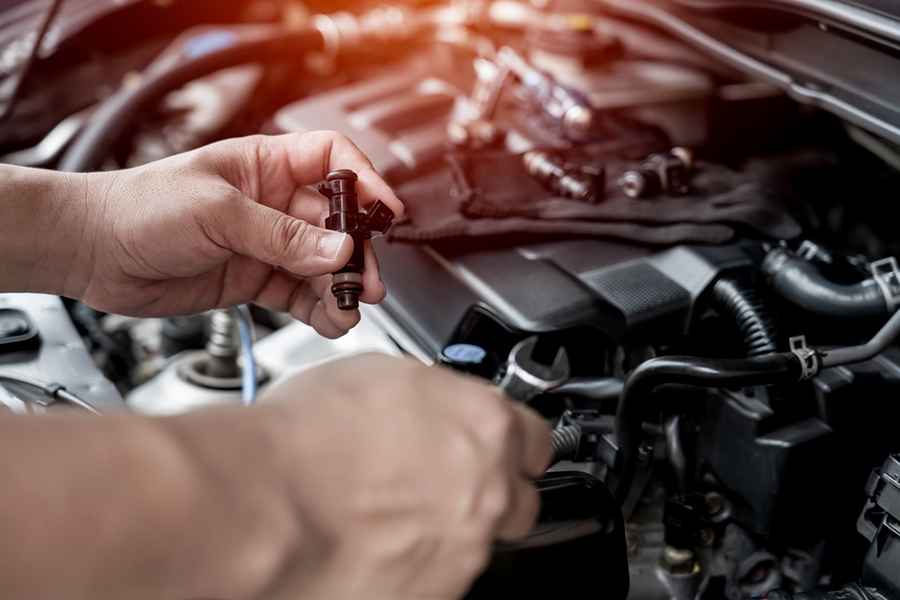
| Oil Pressure Gauge: Logistics & Selection | |
|---|---|
| Mechanical Gauges | Direct oil line; high reliability; no electrical power needed |
| Electronic Gauges | Sensor-based; precise digital data; easier dashboard integration |
| Normal Behavior | Higher pressure on cold starts and acceleration; lower at idle |
| Critical Warnings | Sudden drops or consistently low readings require immediate stops |
1. Why Monitoring Oil Pressure Matters on the Road
Modern engines rely on oil to lubricate, cool, and protect internal moving parts. When driving through steep mountain passes or hot desert sectors, the engine works harder, and oil viscosity can change. A gauge provides real-time data on how well the oil is circulating. Without sufficient pressure, friction increases rapidly, causing heat damage that can destroy an engine in minutes. Think of the gauge as a health monitor that ensures your vehicle can handle the stress of the road.
2. Mechanical vs. Electronic Gauges
There are two main types of gauges, and the choice depends on your vehicle setup. Mechanical gauges use a physical tube to send oil directly to the instrument. They are highly durable and continue to work even if the vehicle’s electrical system fails. Electronic gauges use a sender unit on the engine block to transmit data to a digital or analog display. These are often easier to install in modern cabins and provide very precise readings, making them ideal for high-tech expedition rigs.
3. Installation and Technical Calibration
Installing a gauge is a technical task that requires precision. It involves tapping into the engine’s oil system and routing lines or wires safely away from heat sources. Professional calibration is essential; a gauge that gives false data is worse than having no gauge at all. Technicians must ensure the fittings are leak-proof, as a failure in the gauge line itself could cause the very oil loss you are trying to monitor. Proper mounting ensures the display is within the driver's natural line of sight.
4. Making Sense of the Readings
Understanding what is "normal" for your specific vehicle is key. Most engines show higher pressure when the oil is cold or when the RPMs are high during acceleration. When the engine is warm and idling at a stop, the pressure will naturally drop. The real danger signs are sudden fluctuations or a slow, steady decline in pressure over time. These symptoms often signal a failing oil pump, a clogged filter, or a serious internal leak. Monitoring these changes allows you to take action before the situation becomes an emergency.
Conclusion: Protecting the Engine for the Long Haul
An oil pressure gauge is a small investment that safeguards the most expensive part of your vehicle. By consistently monitoring your engine's vitals, you can extend the lifespan of your rig and avoid costly repairs. On every journey, the goal is to keep the engine running smoothly regardless of the terrain. Respect the data your gauge provides, follow a strict maintenance schedule, and stay alert to any changes on the road. A well-monitored engine is a reliable engine.
Image credit: Depositphotos