Compact Vehicles on Rough Terrain: How to Optimize Performance and Efficiency?
While high-clearance off-road vehicles are the standard choice for rough mountain tracks, driving a standard compact car on unpaved roads shifts the mechanical risks considerably. Smaller front-wheel-drive vehicles lack the underbody protection and suspension travel required to clear rough terrain without sustaining structural damage.
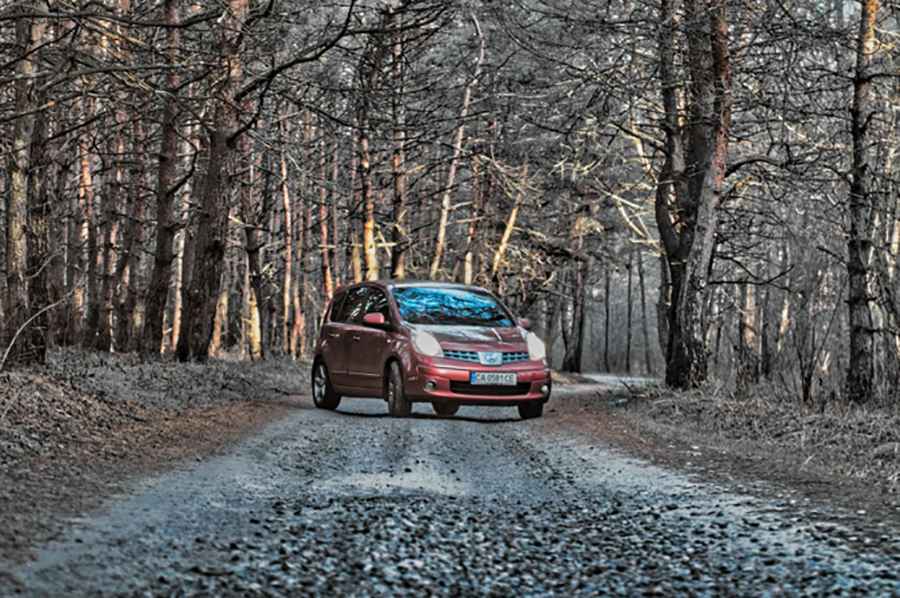
| Vehicle limits: Compact cars on dirt tracks | |
|---|---|
| Average Clearance | 130 mm to 150 mm (5.1 to 5.9 inches) |
| Drive Type | Front-Wheel Drive (FWD) / Open differentials |
| Primary Risks | Smashed oil pans / Sliced tire sidewalls / Clutch burnout |
| Terrain Limits | Graded gravel and dry dirt / Zero deep ruts or mud |
What are the clearance limits of compact vehicles on rough roads?
Standard compact cars typically offer between 130 mm and 150 mm of space between the asphalt and the lowest mechanical components. On unpaved tracks with center ridges, deep ruts, or protruding rocks, this low clearance causes immediate underbody impacts. The unprotected aluminum oil pan and exhaust piping sit directly in the strike zone; a single hit from a sharp stone can crack the engine block, causing immediate fluid loss and mechanical failure away from assistance lines.
Why do technical mountain corners cause front-wheel traction failure?
Climbing steep slopes or sharp switchbacks on loose gravel shifts the vehicle’s weight entirely to the rear axle. In a front-wheel-drive compact car, this weight transfer unloads the front tires, causing them to spin instantly on loose stones and dig holes in the dirt track. Without low-range gears or locking differentials, maintaining momentum requires higher speeds, which forces the suspension to hit bumps harder, increasing the risk of bending steering arms.
What mechanical failures occur to tires and suspension on dirt tracks?
Low-profile highway tires fitted on compact cars feature thin sidewalls designed for smooth tarmac. Rolling over sharp slate, shale, or loose limestone fragments easily cuts the rubber, leading to immediate sidewall blowouts that cannot be fixed with basic plug kits. Furthermore, crawling over rough sections at slow speeds forces the driver to constantly slip the clutch to prevent the small, low-torque engine from stalling, leading to overheating and rapid clutch plate wear on sustained mountain climbs.
How do deep ruts and water crossings trap smaller vehicles?
Unlike 4x4 systems, standard cars utilize open differentials, meaning that if one front wheel loses traction in a soft mud puddle or loose sand patch, it spins freely while the other wheel receives zero power, stranding the vehicle. Additionally, the low engine air intake on compact models sits close to the front bumper line; entering water crossings deeper than 20 cm risks sucking water directly into the cylinders, causing instant hydrostatic lock and ruining the engine entirely.
What are the vehicle standards for driving light cars on gravel paths?
Operating a front-wheel-drive car on unpaved shoulders requires managing tire pressure to maximize the rubber contact patch on loose stones. Drivers must maintain a slow, constant speed to prevent the short struts from bottoming out against the bump stops. Carrying a full-sized spare tire, a heavy-duty mechanical jack, and extra engine oil is mandatory, as the soft edges of mountain tracks can compromise tire sidewalls instantly without any roadside workshop nearby.
Photo by Alex Belogub from Unsplash