Bicycle Accidents: What are the Critical Steps to Build a Strong Case on the Roads?
A bicycle accident on public roads is a high-consequence event that requires a disciplined and forensic approach to evidence management. Unlike motor vehicle occupants, cyclists are highly vulnerable, and the resulting legal cases often hinge on the ability to prove negligence through technical data and situational documentation. Building a strong case is not just about filing a claim; it involves a meticulous audit of medical records, police reports, and scene forensics. This guide analyzes the essential protocols for securing your rights and navigating the complex legal landscape following a cycling incident, ensuring that your restitution reflects the true extent of your damages.
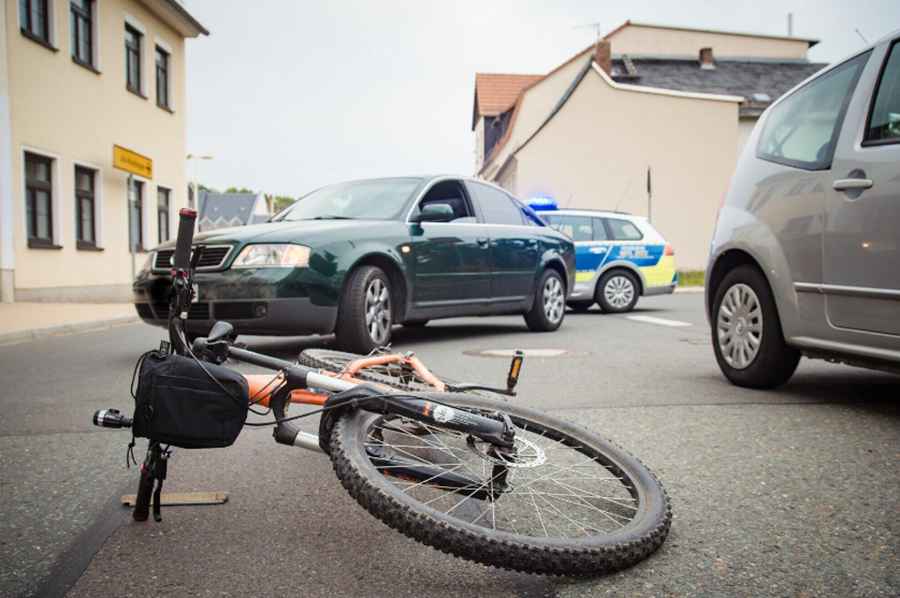
| Bicycle Accident Evidence & Legal Audit | |
|---|---|
| Forensic Scene Data | High-resolution photos of road markers, debris, and bicycle damage |
| Regulatory Compliance | Official police reporting and verification of traffic signals |
| Medical Triage Audit | Documentation of delayed-onset injuries and trauma reports |
| Liability Framework | Understanding comparative negligence and fault assignment |
1. Immediate Medical Triage and Diagnostic Documentation
In the aftermath of an accident, your physical health is the primary logistical concern. Adrenaline often masks severe internal trauma or concussions, making immediate medical evaluation a technical necessity. Beyond your health, this initial triage provides the first layer of evidence for your case. Securing a professional medical report as soon as possible prevents insurance auditors from claiming that your injuries occurred after the incident on the roads. Maintaining a consistent log of all treatments and diagnostic results is essential for validating the long-term impact of the crash.
2. Executing a Forensic Audit of the Accident Scene
The evidence at a crash site is perishable and must be documented forensicly. Collect as much data as possible before the scene is cleared:
- Visual Evidence: Take high-resolution photos of the bicycle’s point of impact, road surface conditions, and any relevant traffic signs.
- Witness Data: Secure contact information and initial accounts from observers.
- Police Reporting: Ensure that the official report accurately reflects the situational variables of the roads at the time of the collision.
This data acts as the foundation of your legal strategy, providing the objective proof required to establish liability.
3. Managing Communication and Digital Footprint
Consistency is vital for maintaining the integrity of your claim. One of the most common errors is discussing the accident on public forums or social media. Anything you communicate outside of your legal counsel can be used by insurance companies to weaken your position or suggest comparative negligence. Limit your dialogue to official reports and your attorney, ensuring that your account of the events on the roads remains undisputed throughout the litigation process.
4. Navigating Comparative Negligence and Liability
Bicycle accident cases often involve "comparative negligence," where the court assigns a percentage of fault to each party involved. Understanding how this framework applies in your jurisdiction is crucial for managing your expectations regarding compensation. A specialized lawyer will audit the technical evidence to minimize your assigned liability and counter any arguments that your actions—such as lane positioning or equipment usage—contributed to the accident. Professional legal advocacy is your best defense against unfair fault assignment on the roads.
5. Auditing Settlement Offers and Trial Readiness
Insurance providers frequently offer "lowball" settlements to close cases quickly and minimize their financial exposure. These offers rarely account for the full lifecycle of your medical and economic losses. Before accepting any settlement, perform a comprehensive audit of your medical bills, lost income, and future rehabilitation needs. While many cases are resolved through negotiation, your legal team must prepare the case with the rigor of a court trial to ensure maximum leverage and a fair outcome for the damages sustained on the roads.
Conclusion
Building a strong bicycle accident case is an exercise in technical discipline and procedural accuracy. By following a structured protocol—from immediate medical triage to forensic scene documentation—you can significantly increase the probability of a successful resolution. Every journey on the roads involves risk, but a professional approach to post-accident logistics ensures that your rights are fully protected. Stay methodical, preserve your evidence, and focus on the road. Precision in your legal strategy leads to justice and stability.