Understanding Road Rage Accidents and Strategies For Prevention
Aggressive driving, commonly known as road rage, is a significant hazard that disrupts the safety and flow of modern roads. Characterized by extreme, intentional, and uncontrollable maneuvers—such as tailgating, speeding, or physical altercations—these behaviors shift a vehicle from a transit asset to a potential weapon. Beyond the physical danger, road rage carries severe legal and financial implications, often leading to the termination of insurance coverage and complex liability claims. Understanding the triggers of driver aggression and implementing de-escalation strategies is essential for maintaining operational safety and protecting your legal standing in the event of a conflict.
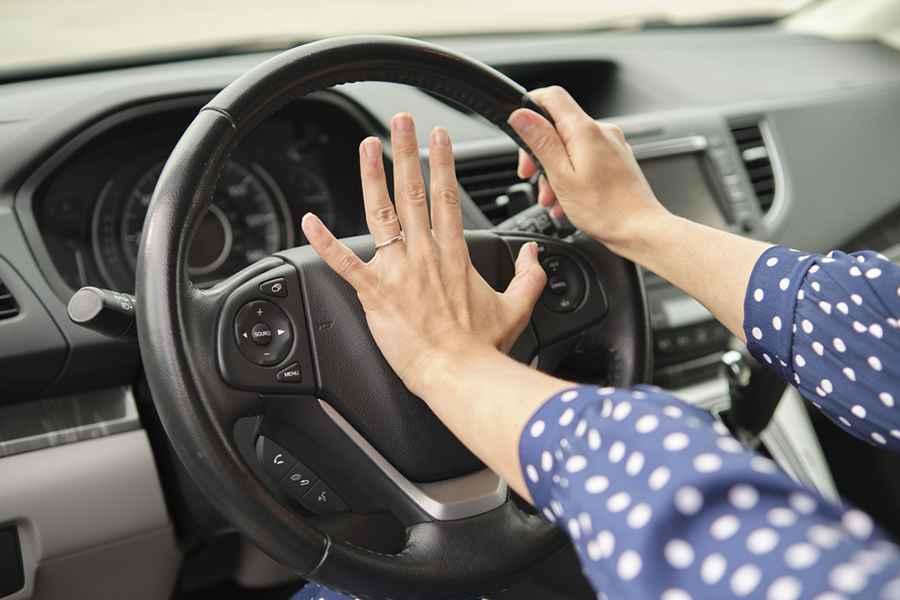
| Aggressive Driving & Risk Mitigation Matrix | |
|---|---|
| Definition | Intentional aggression or disregard for safety on the roads |
| Insurance Impact | Potential exclusion of coverage for intentional acts |
| Primary Triggers | Traffic congestion, time pressure, and lack of empathy |
| Legal Defense | Evidence collection and forensic analysis of the conflict |
1. The Mechanics of Road Rage and Intentional Risk
Unlike standard accidents caused by negligence, road rage involves intentional acts of aggression. On high-traffic roads, common forms include excessive honking, weaving through lanes without signaling, and maintaining unsafe following distances to intimidate other drivers. These behaviors are frequently triggered by environmental stressors like congestion or personal time constraints. When an accident is deemed intentional, the legal framework shifts; the aggressor may face criminal charges and be held personally liable for both economic and non-economic damages incurred by the victim.
2. Impact on Liability and Insurance Exclusions
Most standard insurance policies exclude coverage for accidents resulting from intentional or criminal acts. If a driver is found guilty of a road rage-related incident, their insurance company may terminate the policy and refuse to pay for the resulting damages. This leaves the aggressor with total financial responsibility for vehicle repairs and medical bills. Furthermore, being classified as a high-risk driver requires specialized filings—such as an SR-22—which leads to significantly higher premiums and limited coverage options for future operation on the roads.
3. Tactical Strategies for Preventing Conflict
De-escalation is the most effective tool for avoiding road rage incidents. To maintain a professional and safe environment on the roads, drivers should adhere to the following protocols:
- Maintain Safety Buffers: Always keep a safe distance from aggressive vehicles.
- Predictable Signaling: Use indicators well in advance of any maneuver.
- Non-Engagement: Avoid making eye contact or responding to offensive gestures from other drivers.
- Patience in Congestion: Recognize that traffic delays are out of your control and maintain focus on the driving task.
4. Managing the Aftermath: Legal Guidance for Victims
If you are a victim of an accident caused by another party's aggression, securing professional legal advocacy is critical. Identifying witnesses, obtaining surveillance or dashcam footage, and documenting the aggressor’s behavior are essential steps for maximizing your claim. A lawyer specialized in road safety will audit the evidence to ensure the intentional nature of the act is correctly identified. This approach helps secure restitution for the physical trauma and emotional distress caused by unpredictable encounters on the roads.
Conclusion
Road rage is a manageable risk that requires a combination of emotional discipline and tactical awareness. By practicing patient driving and prioritizing safety protocols, you reduce the probability of high-conflict encounters. Safety on the roads is a shared responsibility; focus on your own maneuvers, avoid engagement with aggressive drivers, and focus on the road. Precision in your driving and your response to conflict ensures a professional and secure journey for everyone.
Image credit: Depositphotos