Why a Reliable Car is Worth the Investment
Purchasing a vehicle is a significant capital allocation, yet many buyers prioritize aesthetic features over mechanical integrity. In the context of long-distance transit and high-risk roads, reliability is not a luxury; it is a fundamental requirement for operational continuity. A dependable vehicle minimizes the risk of catastrophic mechanical failure, protects your financial resources from volatile repair costs, and ensures your autonomy in emergency scenarios. This guide analyzes why prioritizing reliability in your next acquisition is a strategic decision for safety, budget stability, and long-term asset value.
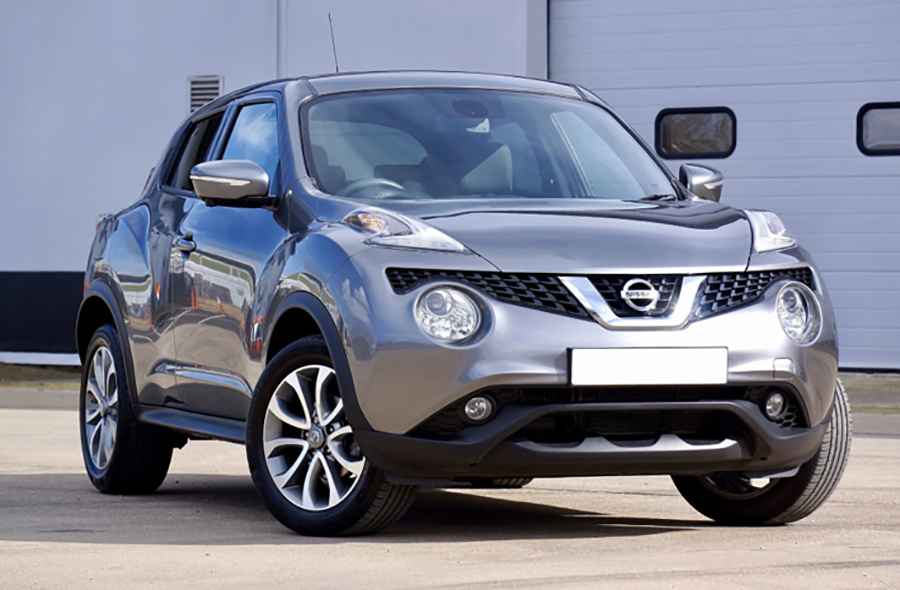
| Vehicle Reliability & Operational Matrix | |
|---|---|
| Operational Continuity | Elimination of unplanned downtime and breakdowns |
| Financial Efficiency | Reduction in long-term TCO (Total Cost of Ownership) |
| Emergency Readiness | Performance in extreme weather and crisis scenarios |
| Asset Liquidity | Slower depreciation and high resale market demand |
Hassle-Free Transit and Operational Independence
A reliable vehicle ensures that your daily commutes and long-distance trips are executed without the friction of unexpected mechanical failures. For any professional or traveler, being stranded due to engine or electrical issues is a major logistical failure. Dependable models, such as a well-maintained Nissan Rogue, provide the peace of mind needed to maintain your schedule and mobility. On the roads, independence means having an asset you can trust to function correctly every time you engage the ignition, regardless of the distance or the complexity of the route.
Long-Term Capital Savings and Budget Stability
While a reliable car may require a higher initial investment, it significantly reduces the Total Cost of Ownership (TCO) over time. Dependable vehicles incur fewer emergency repair costs and require less frequent part replacements. Furthermore, owning a high-integrity asset eliminates the extra fees associated with high mileage or excessive wear often found in leasing contracts. This financial stability reduces long-term stress and allows you to recover a larger portion of your investment when you eventually decide to liquidate the asset.
Emergency Preparedness and Performance in Extreme Conditions
Life on the roads is unpredictable, and your vehicle must be ready for high-stress scenarios. Whether it is a medical emergency or a sudden weather shift—such as heavy snow or torrential rain—a reliable car is your primary tool for safety. High-integrity vehicles are designed to perform under extreme thermal and mechanical stress, providing a secure environment when you need to exit a hazardous area quickly. This readiness is a critical factor for anyone living in regions prone to harsh environmental conditions.
Sustainability and Environmental Impact
Reliability also has a direct correlation with environmental efficiency. A well-maintained, reliable engine operates at peak thermal efficiency, reducing carbon emissions and fuel consumption. By minimizing the need for constant part replacements and frequent vehicle turnover, you adopt a more sustainable model of ownership. This approach reduces industrial waste and lessens the demand for raw materials, proving that a dependable car is a better choice for both the operator and the environment.
Enhancing Resale Value and Asset Liquidity
One of the most tangible benefits of a reliable vehicle is its performance in the resale market. Assets known for their mechanical durability depreciate at a significantly slower rate. When the time comes to trade in or sell, a vehicle with a proven record of reliability will attract a broader range of buyers and command a premium price. In the second-hand market, buyers prioritize "uptime" and low maintenance history, making your investment in a reliable brand a smart move for future liquidity.
Conclusion
Prioritizing reliability in your next vehicle purchase is a decision that pays dividends in safety, independence, and financial health. A dependable car is the foundation of a successful experience on the roads, ensuring that you reach your destination without the trauma of mechanical failure. Beyond the style and features, the true value of an automobile lies in its ability to perform consistently under any conditions. Audit your options, prioritize engineering integrity, and focus on the road. A reliable vehicle is the key to a secure and productive journey.