Traffic Violations: How Does Ignoring Rules Increase the Risk of Accidents on the Roads?
Traffic regulations are the fundamental framework designed to maintain the safety and flow of all road users. When these rules are disregarded—whether through intentional recklessness or a lack of situational awareness—the probability of a catastrophic collision increases exponentially. From speeding to wrong-way driving, each violation disrupts the predictable mechanics of transit and shifts the liability toward the offending operator. Understanding the specific consequences of these infractions is essential for risk mitigation and for protecting your legal rights in the event of an impact. This guide analyzes the five most dangerous traffic violations and their technical impact on road safety.
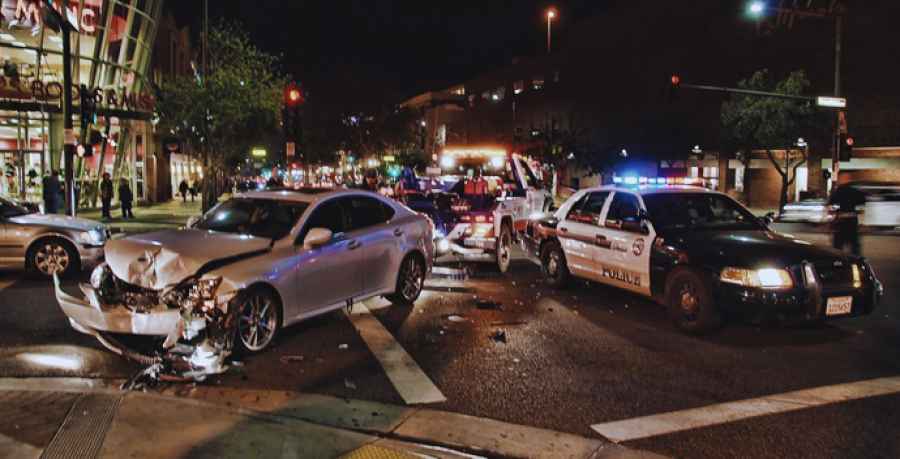
| High-Risk Traffic Violations & Impact Audit | |
|---|---|
| Speeding | Reduces reaction time and increases the force of kinetic impact |
| Right-of-Way Failure | Leads to side-impact and head-on collisions at intersections |
| Work Zone Violations | Endangers personnel and machinery in restricted areas |
| Wrong-Way Driving | Critical risk of multi-vehicle pile-ups and fatalities |
1. The Physics of Speeding and Reaction Deficits
Speeding is a primary catalyst for fatal accidents on the roads. By exceeding the legal or safe limit for current conditions, a driver significantly decreases the time available to react to hazards. Mechanically, excessive speed increases the risk of losing traction in slippery conditions and raises the probability of rollover accidents. Furthermore, the force of impact scales with speed, resulting in more severe structural damage to vehicles and higher medical trauma for occupants. Adjusting speed according to weather and traffic density is a mandatory requirement for safe operation.
2. Intersection Risks: Running Red Lights and Yielding Failures
Intersections are high-conflict zones where adherence to signals is vital. Running a red light is a breach of duty that often results in "T-bone" or side-impact collisions, which are particularly dangerous for passengers. Similarly, failing to yield to oncoming traffic demonstrates a failure to respect right-of-way protocols. These violations often stem from aggressive driving or impatience, creating confusion and increasing the risk of head-on collisions. Professional drivers must always signal intentions and verify that the roads are clear before entering a new flow of traffic.
3. Work Zone Logistics and Construction Safety
Failure to follow work zone signs is a significant risk factor on modern roads. These zones often feature narrowed lanes, moving equipment, and personnel in close proximity to traffic. Disregarding temporary speed limits or lane change instructions in these areas can lead to accidents with workers or heavy machinery. Navigating these zones requires heightened concentration and a strict adherence to directions to prevent mechanical damage and ensure the safety of the infrastructure maintenance teams.
4. Wrong-Way Driving: Critical Error and Liability
Driving in the opposite direction of traffic flow is a high-consequence error that often leads to multi-vehicle pile-ups. This usually occurs due to impaired judgment, extreme distraction, or poor visibility of road signage. In these cases, liability is almost always absolute, as the driver has fundamentally breached the core safety protocols of the roads. Maintaining focus on directional markers and remaining alert to lane configurations is essential for avoiding these traumatic and often fatal encounters.
5. Legal Recourse and Loss Recovery
When an accident is caused by another party's failure to follow traffic rules, the legal path for recovery is focused on proving negligence. Victims should engage legal experts to audit the incident, establish liability through evidence like skid marks or dashcam footage, and ensure fair compensation for all losses. This includes not only property damage but also long-term medical support and lost income. Understanding your rights is as important as understanding the rules of the roads when it comes to post-accident recovery.
Conclusion
Ignoring traffic rules is more than a legal infraction; it is a direct threat to the safety of the entire community. By committing to responsible driving, following right-of-way protocols, and respecting work zones, we can significantly lower the risk of accidents on the roads. Every driver has a duty to operate their vehicle according to the established safety framework. Focus on the regulations, respect the signs, and focus on the road. Precision in compliance leads to a smoother and safer experience for everyone.