Unsafe Infrastructure? How Road Conditions Directly Impact the Dynamics of Truck Accidents?
The national road network serves as the primary infrastructure for global commerce, yet the physical state of these corridors is a decisive factor in operational safety. For heavy commercial vehicles, the margin for error is significantly narrower than for passenger cars. Factors such as surface degradation, meteorological volatility, and inadequate lighting do not just complicate driving; they fundamentally alter the physics of vehicle control. This guide analyzes how various road conditions dictate the dynamics of truck accidents on the roads and provides a framework for identifying infrastructure-related risks.
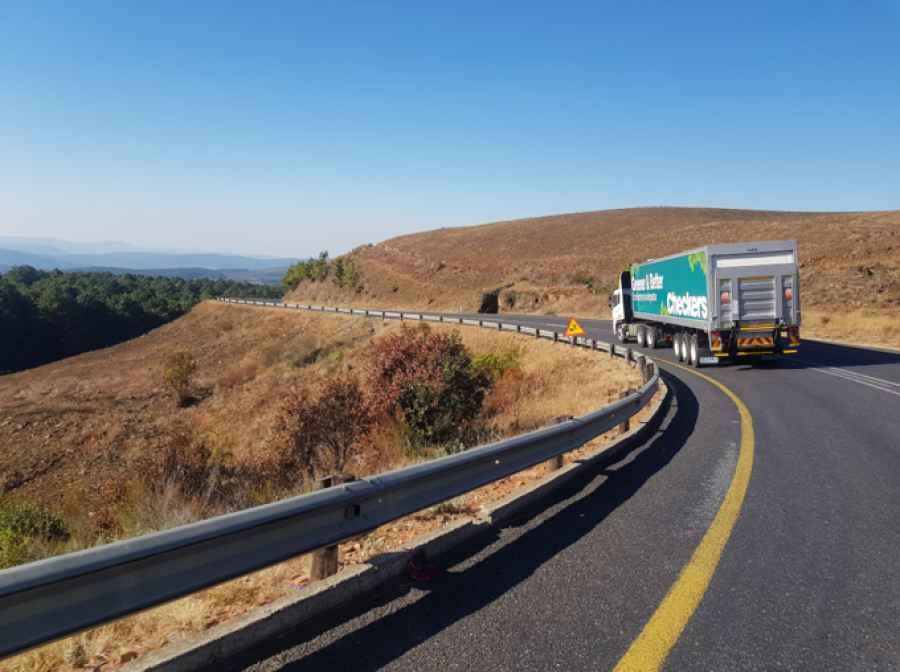
| Infrastructure & Heavy Transit Risk Matrix | |
|---|---|
| Surface Integrity | Potholes, uneven grades, and friction loss |
| Visibility Hazards | Inadequate lighting and meteorological interference |
| Operational Zones | Construction areas with narrowed lane geometry |
| Legal Impact | Liability claims based on infrastructure neglect |
Surface Quality: The Physics of Heavy Vehicle Instability
The quality of the road surface is the primary influencer of heavy vehicle stability. Poorly maintained roads, characterized by deep potholes and uneven asphalt, can destabilize a fully loaded trailer, leading to "jackknife" events or rollovers. Beyond physical damage to the vehicle's suspension, insufficient signage and faded road markings contribute to cognitive confusion for the driver. When the infrastructure fails to provide a predictable surface, the risk of a high-impact collision between trucks and smaller assets increases exponentially.
Meteorological Volatility and Visibility Challenges
Adverse weather conditions—rain, snow, ice, and dense fog—severely degrade the coefficient of friction on the road surface. For a truck, which requires significantly longer braking distances than a standard car, slippery roads are a critical hazard. Reduced visibility further complicates the mission, as truck drivers may struggle to perceive hazards or sudden changes in traffic patterns. Managing heavy transit during these cycles requires advanced defensive driving protocols and real-time environment monitoring.
[Image of a heavy-duty semi-truck cautiously navigating a narrow, poorly lit construction zone at night, with visible orange cones and uneven road surfaces]
Construction Zone Logistics: Navigating Constrained Geometry
While essential for infrastructure improvement, construction zones are high-risk hotspots for truck accidents. Narrowed lanes and sudden shifts in road geometry demand extreme precision from the operator. Maneuvering a large truck through these constrained spaces, often alongside erratic passenger traffic, increases the probability of side-swipe incidents. Debris and misplaced equipment in these zones further elevate the risk, highlighting the need for specialized training for transit on these roads.
Nighttime Operations and Inadequate Lighting Infrastructure
Nighttime driving introduces unique challenges, primarily related to inadequate highway lighting. For a truck driver, the ability to identify obstacles or road-surface changes is heavily dependent on infrastructure quality. Poor lighting, combined with the physiological fatigue that often accompanies long-haul nighttime missions, results in delayed reaction times. Upgrading lighting systems on major roads is a fundamental requirement for enhancing the safety and efficiency of global truck operations.
Conclusion: A Holistic Approach to Road Safety
The symbiotic relationship between road conditions and truck accidents is undeniable. Enhancing safety requires more than just focusing on driver behavior; it necessitates a rigorous commitment to infrastructure maintenance, strategic construction planning, and superior signage. Recognizing these external variables allows fleet managers and legal professionals to better understand the dynamics of accidents on our roads. By prioritizing the state of our infrastructure, we create a more stable environment for heavy transit and all road users. Safety is a shared responsibility between the operator and the environment.