Himalayan Workhorses: Top 5 SUVs for India’s High-Altitude Passes
Navigating the high-altitude passes of the Himalayas—from the Leh-Manali Highway to the treacherous tracks of Spiti Valley—requires more than just standard 4x4 capability. In India, the ultimate test for any SUV is its ability to handle thin air, extreme gradients, and unpredictable landslides. We analyze the five most dependable vehicles that have earned their reputation as the "kings of the mountain" in one of the world's most hostile driving environments.
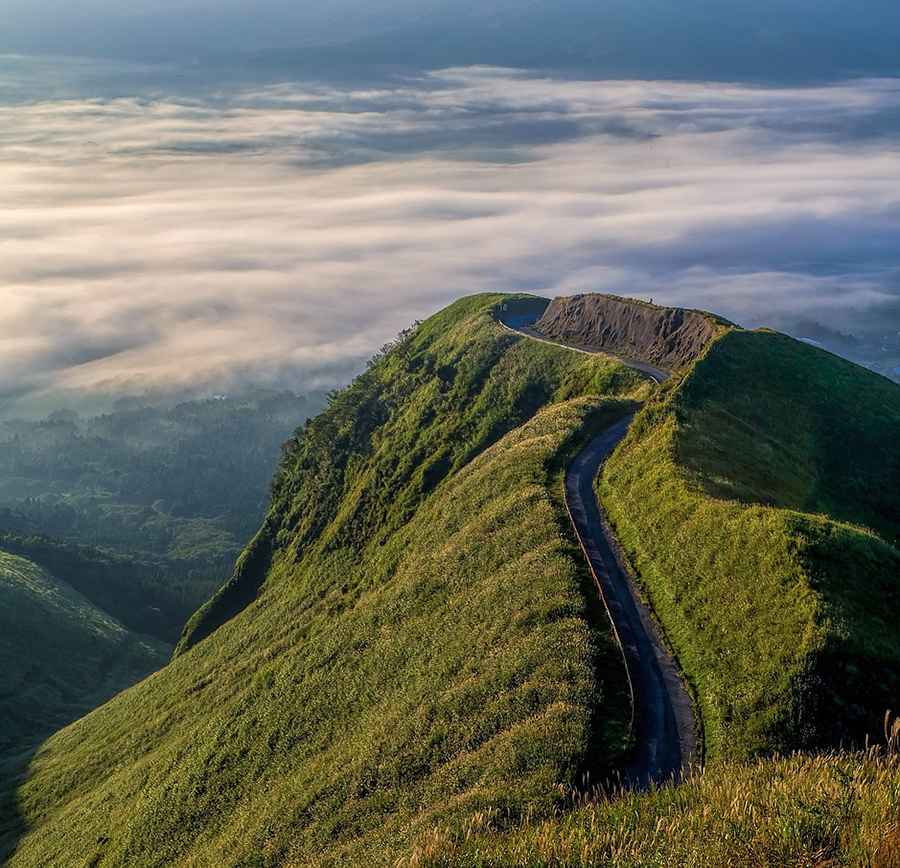
| Indian Expedition Vehicle Specs | |
|---|---|
| Critical Tech | Low-range transfer cases and Hill Descent Control. |
| Top Hazard | Engine oxygen starvation and brake overheating on 20km descents. |
| Local Choice | Mahindra and Tata for spare parts availability in remote Ladakh. |
1. Mahindra XUV Series: The Torque Specialist
Mahindra has long been the backbone of Indian mountain logistics. The XUV series, particularly those equipped with the mHawk diesel engine, is favored for its high low-end torque. In steep Himalayan climbs, torque is more valuable than horsepower. When fitted with underbody armor and all-terrain tires, the XUV transforms into a resilient climber capable of navigating the rocky abrasions of the Rohtang Pass. Its hill-hold and descent controls provide an essential safety layer for amateur expeditioners.
2. Tata Harrier/Safari: Engineering for Stability
Built on the OMEGARC platform (derived from Land Rover’s D8), the Tata Harrier offers a level of structural rigidity rarely seen in local manufacturing. Its wide wheelbase and high ground clearance make it exceptionally stable on the "khardung-la" style hairpins where lateral stability is key. The Kryotec engine is specifically tuned for endurance, ensuring the vehicle remains grounded even when the trail turns into a muddy or snowy ledge.
3. Jeep Compass: Precision in the Peaks
The Jeep Compass has carved a niche as the "international prodigy" of Indian mountain roads. Its standout feature is the Selec-Terrain Traction Management System. In the unpredictable weather of the northern passes, being able to switch instantly between Sand, Mud, and Snow modes allows the vehicle to optimize traction on the fly. Its muscular build and refined suspension provide a much-needed buffer against the relentless vibration of corrugated mountain tracks.
4. Ford Endeavour (Everest): The Robust Ranger
Although Ford has shifted its business model in India, the Endeavour remains a legend on the dangerous highways of the northeast. Its Terrain Management System and superior water-wading depth make it the vehicle of choice for crossing monsoon-swollen rivers. With high ground clearance and an advanced ABS system with Electronic Brake Distribution (EBD), it handles the "death-defying" descents with a level of composure that few other SUVs can match.
5. Isuzu MU-X: The Silent Conqueror
The Isuzu MU-X is the dark horse of Himalayan travel. Known for its 3.0L turbo-diesel engine, it offers a "truck-like" reliability that is essential when you are three days away from the nearest mechanic. Its 5-link rear suspension provides unmatched stability on unpredictable terrain, ensuring that every climb and descent is handled with mechanical precision. It is a vehicle built for the long haul, where durability is the most important luxury.
Conclusion: Choosing Your Himalayan Ally
The call of the Indian mountains is a siren song for adventurers, but the journey is fraught with mechanical and environmental traps. Choosing a vehicle with the right torque-to-weight ratio, ground clearance, and local parts availability is the difference between a successful expedition and a dangerous stranding. In the Himalayas, your SUV isn't just a car; it’s your survival cell.
Pic: https://pixabay.com/photos/mountain-summit-clouds-970704/