Driving through road construction zones: Hazards and safety tips
Navigating through road construction zones is one of the most unpredictable aspects of any road trip. These areas are high-risk environments where heavy machinery, narrowed lanes, and ground workers operate in close proximity to moving traffic. Understanding the specific hazards of these zones is essential for every driver to prevent accidents and ensure the safety of those on the road.
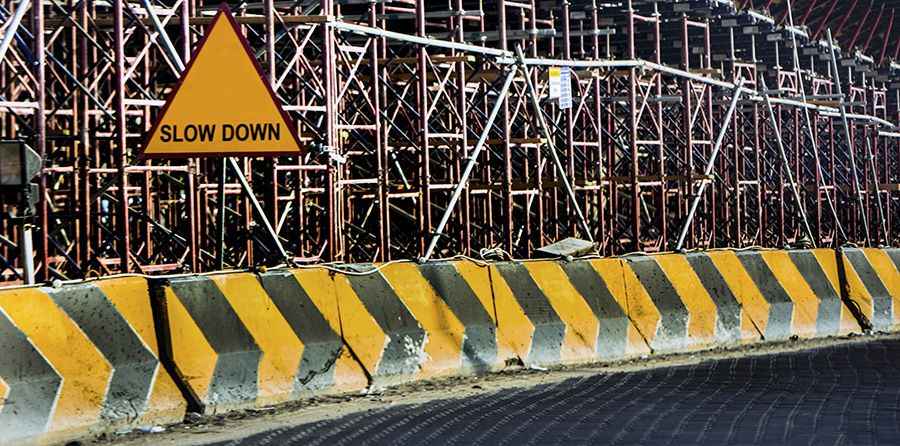
Statistically, highway work zones are hotspots for rear-end collisions and side-swipes. The sudden transition from high-speed driving to restricted, often congested lanes requires maximum vigilance and a defensive driving mindset. Whether it is a minor repair or a massive infrastructure project, these zones demand a significant adjustment in driving behavior.
| Safety Checklist: Construction Zones | |
|---|---|
| Speed Adjustment | Reduce speed immediately upon seeing warning signs. |
| Visibility | Turn on headlights even during daylight hours. |
| Following Distance | Increase gap to 4 seconds behind the lead vehicle. |
| Lane Changes | Merge early and avoid sudden maneuvers. |
What are the most common hazards in highway work zones?
One of the primary causes of accidents in construction areas is insufficient or improper signage. Drivers need ample time to react to lane closures or speed reductions. When signs are missing, too small, or placed too close to the actual work area, motorists are forced to make sudden stops or dangerous swerves, which often lead to multi-car pileups.
Furthermore, missing barriers and cones can lead to confusion. Brightly colored, reflective delineators are necessary to define the "buffer space" between the traffic and the workers. In remote or mountain roads, where construction might happen on blind curves, the lack of proper flagging or temporary traffic lights is a major hazard that requires drivers to proceed with extreme caution.
The danger of poor lighting and visibility
Many road works take place during the night or early morning hours to minimize traffic impact. However, insufficient lighting is a leading cause of night-time accidents. If the work zone is not properly illuminated, drivers may fail to see the edge of the asphalt, temporary barriers, or workers wearing high-visibility gear (PPE). As a driver, you should never rely solely on the site's lighting; ensure your windshield is clean and your headlights are properly aimed to maximize your own field of vision.
Surface conditions also deteriorate in these zones. Construction often leaves gravel, sand, or uneven pavement on the road. For motorcycles and light vehicles, these changes in texture can cause a loss of traction. Always treat a construction zone as a low-traction surface and avoid hard braking or sharp steering inputs.
Practical tips for driving safely through roadworks
The golden rule for roadwork safety is to obey the posted speed limits, even if no workers are visible. Often, speed limits are reduced because of narrowed lanes or temporary concrete barriers that leave no room for error. Keeping a safe distance from the car in front of you is also vital, as sudden stops are frequent when heavy machinery enters or exits the flow of traffic.
Finally, stay alert for workers and flaggers. Their job is to manage the flow and protect both the crew and the motorists. By staying focused, avoiding distractions like mobile phones, and following the temporary instructions, you can navigate even the most complex road construction zones safely and without incident.