Car Accidents: What Are the 6 Smart Steps to Take Immediately After a Crash?
Unexpected incidents on the roads require a precise and immediate response to protect both your health and your legal rights. In the high-stress environment following a vehicle collision, there is no room for procedural errors. Navigating the aftermath effectively depends on your ability to execute a series of strategic actions, from securing the scene to documenting evidence for future insurance audits. This guide analyzes six professional steps designed to help you manage an automobile incident with confidence and technical precision, ensuring that all safety and legal protocols are strictly followed.
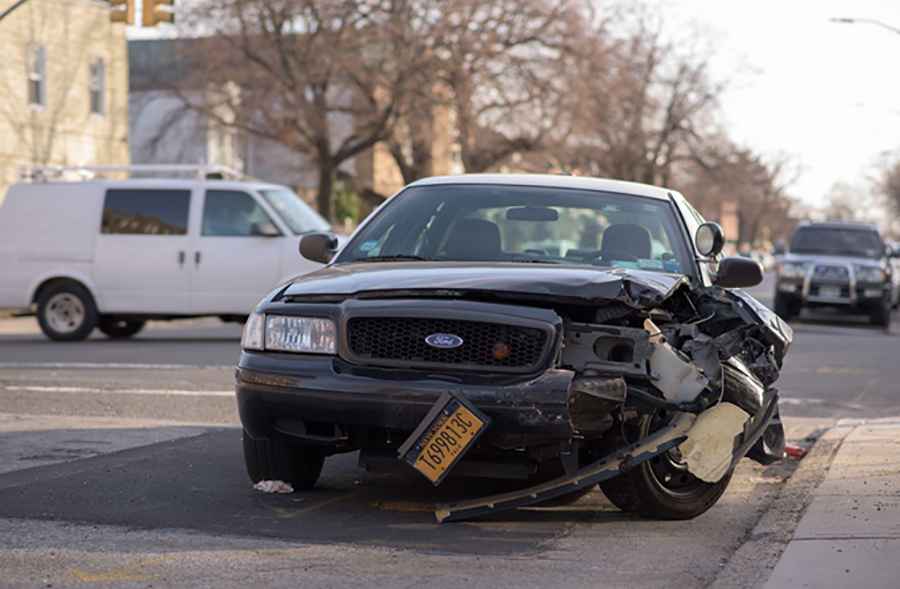
| Emergency Post-Crash Protocol | |
|---|---|
| Phase 1: Safety | Situational stabilization and injury assessment |
| Phase 2: Reporting | Contacting 911 and providing concise data to dispatch |
| Phase 3: Logistics | Exchange of insurance credentials and scene documentation |
| Phase 4: Legal | Professional case audit and attorney consultation |
1. Situational Stabilization and Composure
Maintaining a level head is the first step in managing a crisis on the roads. Panic often leads to poor decision-making and can compromise your legal position. Before engaging with other parties or authorities, take a moment to stabilize your breathing and clear your head. Approaching the situation with a professional demeanor allows you to evaluate the facts accurately and communicate more effectively with emergency responders and legal experts during the initial assessment.
2. Comprehensive Safety Audit of All Involved Parties
Once the vehicle is stationary, your primary concern must be the physical integrity of all persons involved. Perform a quick but thorough audit of yourself, your passengers, and the occupants of other vehicles for any visible or internal injuries. In high-impact scenarios, adrenaline can mask pain, so it is crucial to treat every assessment with caution. Prioritizing safety over property ensures that immediate medical needs are addressed before moving to the logistical phase of the accident.
3. Executing the Emergency Call (911)
Reporting the incident to the appropriate authorities is a mandatory requirement on most roads. Contact 911 immediately to alert the police and medical services. Provide a clear and concise description of your location, the number of vehicles involved, and the severity of any injuries. Time is a critical factor in emergency response; providing accurate data to the dispatcher ensures that the necessary resources are deployed to the scene without delay.
4. Professional Exchange of Credentials and Data
After ensuring safety, you must exchange essential information with the other drivers. Do not rely solely on digital photos of license plates; you must secure the full name, contact number, and insurance policy details of every operator involved. While this interaction can be friction-heavy, remaining polite and factual is key. This data is the foundation of your insurance claim and will be audited by your legal team to establish liability and coverage limits.
5. Forensic Documentation of the Scene
While the evidence is fresh, perform a forensic documentation of the crash site. Use your mobile device to take high-resolution photos of vehicle positions, debris, skid marks, and road conditions. Note the sequence of events while they are fresh in your memory. This documentation serves as crucial evidence to support your claims and prevents discrepancies from arising during the insurance company's investigation of the incident on the roads.
6. Legal Audit and Insurance Advocacy
To ensure you receive fair treatment from insurance providers, it is essential to have an experienced attorney review your case. A legal professional will evaluate the documented evidence and determine if the compensation offered reflects the true extent of your damages. Having an advocate by your side protects you from aggressive insurance tactics and ensures that your rights are defended throughout the settlement process. Professional legal support is your best tool for achieving a fair outcome.
Conclusion
Managing a car accident effectively requires a disciplined approach to both safety and legal protocols. By following these six smart steps—from maintaining composure to securing professional legal advocacy—you can navigate the aftermath of a collision on the roads with confidence. Staying methodical and prepared is the only way to minimize the stress and financial impact of an unexpected crash. Focus on your recovery, protect your rights, and focus on the road. Precision in your response leads to a smoother resolution.