Vehicles and driving

Left-to-Right: How Border Crossings Handle Side-of-the-Road Changes
While 66% of the world’s population drives on the right, the remaining 34% adheres to the left-hand side. This global division creates a unique engineering challenge: the border crossover. In several regions across Africa, Asia, and South America, drivers must transition from one side of the road to the other while crossing international boundaries.
To understand the global landscape of these regulations, you can explore our comprehensive list of left and right driving countries. However, the real magic happens at the physical borders, where ingenious road designs ensure that this transition is safe and fluid for motorists.

The Most Realistic Driving Simulators for True Road Enthusiasts
For drivers who love tough roads, proper driving simulators are useful tools to experience the world’s steepest mountain passes and rough tracks from home. Unlike basic arcade games, these titles focus entirely on real-world car physics, tire grip, and how a vehicle reacts when the asphalt ends.

The Most Dangerous Roads in the USA
Driving is an essential part of American life, but it comes with substantial risks. In 2020, the United States saw its highest traffic fatality rate since 2007, at 1.37 fatalities per 100 million vehicle miles traveled. Certain roads are far deadlier than others due to factors like heavy traffic, treacherous weather, poor road design, or unique hazards. From crowded interstates to isolated mountain passes, this article examines the most dangerous roads across all regions of the U.S. Here, Dangerous Roads staff delve into accident statistics, road conditions, design flaws, traffic volumes, and historical incidents that make these highways especially hazardous.
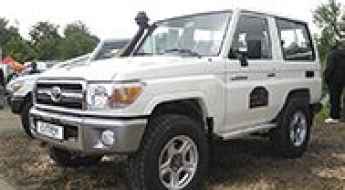
The Best Used 4x4 for Off-Road: A Definitive Buyer’s Guide
Buying a used 4x4 for off-road expeditions is an exhausting but critical process. Unlike buying a city car, choosing an expedition rig is about selecting a survival tool that must perform under extreme stress. Whether you are a seasoned overlander or preparing for your first adventure on the Karakoram Highway, this guide analyzes the best used 4x4 options to help you answer the eternal question: which one is truly the best?

Why Am I Receiving Mail Regarding My Car Warranty?
Have you noticed an increase in the number of car warranty offers you've received in the mail? You're not alone. Many consumers have reported receiving postcards informing them that their automobile warranties are about to expire.

Survival Guide: Navigating the Most Treacherous Road Hazards
Identifying road hazards is the most critical skill for any expedition driver. While driver error remains the primary cause of accidents, environmental traps—from unpredictable shoulder drop-offs to hidden oil slicks—pose a lethal threat on remote routes. In this survival guide, we analyze the top 10 treacherous road hazards you will encounter on the world's most demanding paths and how to navigate them safely.

6 of the Most Badass Classic Cars You Can Find Today
When you think of cool cars, you probably think of those insanely contoured rides that the rich and famous drive, or maybe you picture the luxury vehicles like the Rolls-Royce where you hardly expect them to drive it at all. For some, those cars don’t represent the true meaning of what it is to feel the thrill of owning an automobile.

Sports Car for Rent: When Is It Worth Taking the Risk?
I’ll be honest—I've always had a thing for fast cars. Not the “midlife crisis red Ferrari” type of obsession, but the kind where, every once in a while, the idea of pushing the pedal in something that growls back sounds like a pretty great detour from everyday life.

Where Are the Oldest Roads in the World?
The history of road construction is a testament to human ingenuity. From the stone-paved streets of ancient Mesopotamia to the highly engineered polymer-modified asphalt of today, roads have been the arteries of civilization. Understanding where the oldest roads in the world are—and how they were built—offers a fascinating look at the foundations of global transportation.

A Deeper Dive Into The Most Common Problems With Range Rovers
If you're the proud owner of a Range Rover, you know that it's a car that commands attention. But with that attention often comes envy – and sometimes even resentment. After all, a Range Rover is expensive, and its owners are seen as being able to afford the best of the best.
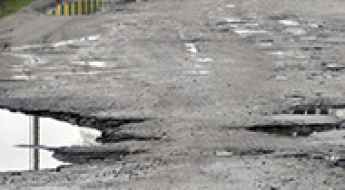
The Impact of Poor Road Conditions on Vehicle Safety
Poor road conditions are more than just nuisances; they are a severe concern for motorists that can lead to hazards on the road, compromising vehicle safety and performance. Drivers face risks on the road every day, but when roadways are not properly maintained, those risks multiply, leading to increased accidents and vehicle wear and tear.

Comprehensive Guide to Automotive Manuals and Their Importance
In the realm of automotive knowledge, having access to reliable resources is essential for both enthusiasts and everyday drivers. The ability to find valuable information about vehicles enhances understanding and can lead to improved maintenance practices. It is vital to explore alternative means of gathering insights and operational techniques that extend beyond the conventional avenues.

The 10 Most Powerful Electric Motorcycles of 2026: Torque, Tech, and Speed
Electric motorcycles are reshaping performance on mountain passes and steep highways. Beyond environmental talks, these machines deliver unique physical traits on the tarmac: instant torque from zero RPM and zero power loss at high altitudes, making them highly effective climbing tools on severe mountain routes.

Vehicle Preservation Logistics: Analyzing the Best Car Cover Materials
For professional vehicle owners and fleet managers, protecting the exterior finish is a critical logistical task to maintain long-term asset value. Environmental hazards—such as UV radiation, acid rain, and bird droppings—can cause irreversible photodegradation and surface corrosion. Selecting a car cover based on material science, such as polypropylene or solution-dyed acrylics, ensures that the vehicle remains shielded during extended storage. This guide analyzes the technical properties of various cover materials and their effectiveness in different climate conditions.

The Main Reasons Why People Decide to Buy Classic Cars
Many people are under the impression that classic cars are impractical and too expensive to maintain. However, this is not always the case. There are many reasons why someone might want to buy a classic car, including nostalgia,style, or uniqueness, among other things. This article will discuss why people decide to buy classic cars.

Automotive Innovation: How AI and Digital Interfaces Improve Safety on the Roads?
The rapid evolution of automotive technology has transformed the vehicle from a mechanical asset into a complex digital ecosystem. In recent years, innovations in artificial intelligence (AI), augmented reality (AI), and autonomous flight concepts have redefined the standards for safety and driver interaction. On the roads, where situational awareness is the primary factor in accident prevention, these digital tools act as a proactive layer of protection. From advanced infotainment hubs to head-up displays (HUD) that monitor environmental hazards, auditing the latest technological trends is essential for any professional looking to optimize vehicle performance and security. This guide analyzes the technical impact of high-end digital interfaces on modern driving logistics.

Lane Splitting: A Tactical Guide for Long-Distance Motorcyclists
For adventure motorcyclists, navigating heavy traffic is often more exhausting than the toughest off-road trails. Lane splitting—the practice of riding between rows of slow or stopped vehicles—can be a vital tool for managing engine temperature and reducing fatigue during long expeditions. However, mastering this technique requires more than just skill; it requires a tactical understanding of road psychology and safety limits.
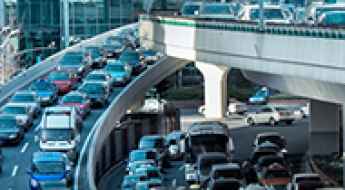
Explaining the Different Types of Traffic Jams
Imagine this: You’re on a long trip and have finally found a sign that indicates that the upcoming exit has your favorite restaurant, hotels, and more. You relax a bit as you and your bladder feel assured that relief is only a few miles away. Your heart sinks, however, as your eyes catch a stagnant glint on the road you’re driving.

8 Steps to Prepare Your Own Adventure Vehicle for Extreme Off-Road Tracks
Preparing a standard 4x4 vehicle to survive extreme high-altitude tracks or desert routes requires shifting focus from aesthetics to mechanical durability. Modifying a vehicle for long-range overland transit involves managing Gross Vehicle Mass (GVM), reinforcing structural components, and protecting the drivetrain against heavy terrain impacts.
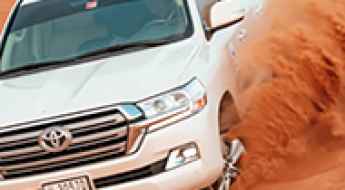
Toyota’s Off-Road Legends: The Best Rigs for Treacherous Terrain
In the world of extreme expeditions, one name stands above the rest: Toyota. From the high-altitude passes of the Himalayas to the relentless mud of the Amazon, Toyota’s engineering has earned the trust of explorers worldwide. However, not every model wearing a 4WD badge is built for survival. Here is an expert analysis of the Toyota vehicles truly capable of conquering the world’s most dangerous roads.
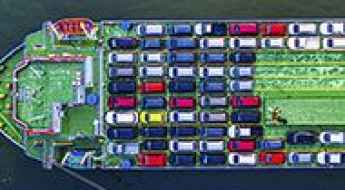
Your Car is Safe During Auto Transport and Here's Why
You've decided to ship your car and you're probably wondering if it's safe. You shouldn't worry - your car is perfectly safe during auto transport. In this blog post, we'll discuss why auto transport is a reliable way to get your car from Point A to Point B without any worries.

Gathering Evidence Information After a Car Accident
In the event you find yourself in a car accident, you may not be thinking too clearly when it happens. At that time, you may have to concentrate on getting out of harm’s way to avoid further damage to your car or injuries to yourself and the other occupants of your car.

Heavy Vehicle Logistics: Managing Risks in Semi-Truck vs. Motorcycle Interactions
The interaction between a 13,000 kg (30,000 lb) semi-truck and a motorcycle represents one of the highest risk profiles on the road. Due to the extreme disparity in mass and the lack of structural protection for the rider, these incidents often lead to catastrophic outcomes. Managing this risk requires a professional understanding of vehicle blind spots, braking distances, and mechanical maintenance. This guide analyzes the logistical factors that contribute to these collisions and the technical protocols necessary to mitigate injuries and manage liability after a crash.

Driving in St. Louis, MO - What You Need to Know
St. Louis is known as the Gateway to the West and is a wonderful place to visit. Whether you plan to see the iconic arch, attend a Cardinals game, or go to the zoo, you’ll never be at a loss for things to do. But before you can dive into these amazing attractions, you have to get there.

Comparative Safety Analysis of Global Transit Modes
Selecting the most efficient and safe mode of transit is a fundamental logistical decision for both passenger and freight operations. While certain routes are perceived as high-risk, a technical analysis of fatality rates reveals significant disparities between air, rail, and road transport. Understanding the statistical safety of different vehicles allows for better risk management and operational planning. This guide analyzes the most reliable modes of transportation based on annual incident data and operational safety protocols.
A Closer Look at the Different Vehicle Collision Causes and What You Could Do to Avoid Them
There are many different factors that can cause a vehicle collision. In this blog post, we will take a closer look at some of the most common causes and what you can do to avoid them. We will also discuss the consequences of a collision and what to do if you are involved in one.

The Safest and Most Dangerous Forms of Transportation
Whether purchasing a car or looking for a locomotive ticket to move from point A to point B, safety is one of the main concerns people express. In the modern age, one can choose numerous means of transport for mobility. Their choice would, of course, consider costs, convenience, and safety. While costs and convenience are crucial, safety is a more critical consideration, especially with the current statistics of accidents leading to injuries and deaths.

How To Stay Safe When Driving A Truck On A Dangerous Road of America
When driving a truck, safety is of the utmost importance. Trucks are larger and heavier than cars, and they can cause a lot of damage if they get into an accident.

E-Bikes - The Vehicles of the Future
E-bikes are rapidly growing in popularity, with thousands and thousands being sold every year. However, this shouldn’t be considered too much of a threat to traditional bikes.

How Can American Companies Secure The Safety Of Their Drivers?
Company drivers are the backbone of many businesses. They transport goods and services to customers and help keep businesses running. It is therefore important for companies to take measures to ensure the safety of their drivers. This blog post will discuss some ways that companies can do this.

Managing Driver Behavior and Incident Prevention
Operating a vehicle in high-density traffic corridors requires more than technical skill; it demands strict emotional and behavioral management. Aggressive driving, commonly known as "road rage," is a leading logistical cause of avoidable accidents and highway confrontations. Approximately 80% of drivers report experiencing road rage incidents annually, which can escalate from simple gestures to dangerous physical maneuvers. Understanding the technical triggers and implementing prevention protocols is essential for maintaining safety and operational efficiency on the road.

How to Choose and Buy the Right Car for Long Road Trips
Choosing a car for long-distance driving and rough roads goes far beyond the paint color or the digital screens on the dashboard. When your routes include steep mountain passes, loose gravel, or isolated tracks, the mechanical strength of the car is what keeps you moving. You need to match the vehicle’s build with the actual roads you plan to drive.

The Perilous Link Between Addiction And Vehicular Accidents
Over the years, substance abuse has been among the greatest road safety problems. Whether it’s drugs or alcohol, there is definitely a perilous link between addiction and vehicular accidents. Yet, despite efforts by law enforcement to clamp down on DUIs, the problem still persists.

Dangerous Roads in Utah That You Should Be Aware Of
Each city or country is dangerous in its own way. If you find yourself in Utah, certain roads have a reputation for being particularly dangerous. There are some places to watch out for next time you are on the street. Some of them may surprise you.
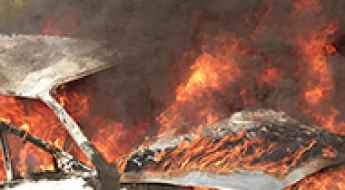
What are the different types of car accidents?
Car accidents are an everyday hazard, every now and then we hear about some car accident on the highway or local city street. Well, car accidents can occur due to several factors such as the negligence of the driver, lack of attention, disregard for safety, or speeding.

How to avoid dangerous mistakes on long-distance roads?
Long-distance road trips and multi-day drives require clear operational preparation to avoid mechanical breakdowns or stops along the route. Managing driver fatigue, cabin safety, and navigation options determines whether a long journey is completed without incidents or ends in a highway breakdown.

Are Motorcycle Accidents Handled Differently Than Car Crashes in the USA? Find Out Here
Motorcycle accidents can be serious. In fact, they can often be more serious than car accidents. This is because motorcycles provide less protection than cars in the event of a crash. For this reason, it is important to know how motorcycle accidents are handled by the legal system. In this blog post, we will discuss how motorcycle accidents are different from car crashes and what you need to do if you are involved in a motorcycle accident.

Global Road Safety: The Critical Statistics and Human Cost of Traffic Collisions
Road safety is a global crisis that claims nearly 1.3 million lives annually. For those of us navigating the world's most challenging routes, understanding the underlying statistics and risks is not just academic—it is essential for survival. Modern road safety protocols are evolving, yet the human cost of collisions remains a primary concern for international authorities.

5 Advanced Strategies to Prevent Accidents on High-Risk Roads
Navigating high-risk routes requires more than basic driving skills; it demands a tactical mindset. On roads where a single error can lead to a vertical drop or a mechanical catastrophe, preventing an accident is about anticipating environmental hazards and the erratic behavior of other road users. Here are 5 advanced strategies for staying safe on the world's most demanding paths.
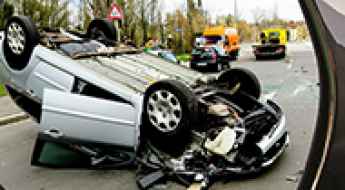
Where to Take the Car After an Accident and Collect Top Dollar for It
After owning a car for years, you may realize the need to buy another one after selling this model. Since cars degrade after a prolonged period, they also decrease in value, which is another reason to sell them at the earliest. If your car has been in an accident, you can no longer rely on it.
Traveling on dangerous mountain roads: Why insurance with helicopter evacuation is necessary
In many parts of the world, mountain roads come with more significant dangers than city and highway roads. For whatever reason you decide to drive a mountain route, you should always ensure you’re ready for unforeseen circumstances.

Is It Okay To Travel In Winter? Here Are the Pros And Cons
Travel during winter offers a different set of experiences compared to warmer months, with unique opportunities and specific challenges. Understanding both the benefits and potential risks can help travelers make informed decisions.

The Top 10 Most Dangerous US Roads For Motorcyclists
Driving a motorcycle is an excellent way to travel and something millions of Americans enjoy every day. Despite the fact that motorcyclists make up only a small percentage of vehicles on the road, they are still involved in a number of fatal or near fatal accidents.

5 Tips for Buying an Off-Road Vehicle Online
The global off-road vehicle market value was $14 billion in 2020 and is expected to hit $18 billion by 2026. These cars are in high demand due to their wide range of uses. If you are looking for a car that’s capable of handling off-road conditions, you need to pay attention to some critical things before making a selection. You can also buy the off-road truck online without leaving your house. Here are some tips to guide you.

Post-Drive Recovery: Essential Maintenance After Tackling Extreme Roads
Completing a high-risk expedition is a triumph, but the journey doesn't end when you reach home. Extreme routes—from the dust-choked passes of the Andes to the humid, muddy hairpins of Southeast Asia—put unprecedented stress on your vehicle’s mechanical integrity. Proper post-expedition maintenance is critical to ensuring your rig is ready for the next challenge and to prevent long-term damage caused by harsh environments.
Most Dangerous Roads In Florida
Florida is one of the most dangerous states in terms of vehicle accidents. This state has several highways and other roadways that are known for being challenging to drive due to high amounts of traffic, dangerous road conditions, or other reasons related to the specific roadway. In this article, we will explore some of the most dangerous roadways in Florida and how you can help prevent an auto accident.

Technical Survival: Driving Skills Often Overlooked on Extreme Routes
Basic driving instruction focuses on urban safety, but the rules of the road change when the pavement ends or the gradient exceeds 15%. On high-risk expeditions, safety is dictated by physics and mechanical limits. Recapping these technical skills isn't just a refresher; it is a vital part of your pre-trip protocol to ensure that muscle memory takes over when conditions deteriorate.

Auto Junkyards for Travelers: Your Ultimate US Adventure Guide
Ever wondered what happens to vehicles that are past their prime, even your old pickup? Welcome to the world of auto junkyards, a pivotal cog in the automotive industry. These yards aren’t just heaps of metal and engines; they're treasure troves for travelers and car enthusiasts alike, offering salvage value for many. Open Monday through Sunday, you'll find companies offering a review-worthy experience.

How to drive on ice roads?
Driving on seasonal ice roads built over frozen seas, lakes, and rivers requires managing the hydraulic pressure wave formed beneath the ice sheet. On routes like the 25 km Rohuküla-Heltermaa ice road in Estonia or northern Canadian ice tracks, vehicle weight and speed create underwater displacement forces that can shatter the frozen surface.

The most popular car models in Dubai
According to car sales statistics in Dubai for 2022, the most popular models are:

Prepare Your Car for a Long Drive With These Useful Tips
Whether you're going on a family road trip or a long-distance journey in the US, preparing your car for the trip is an important part of ensuring that you and those who will be traveling with you arrive at your destination safely.

Exhaust Integrity: Managing Catalytic Converters on Remote Routes
On a high-altitude expedition, your vehicle’s exhaust system is under constant pressure. While the catalytic converter is a vital component for emissions control, it is also a potential point of failure when subjected to the extreme conditions of remote travel. Understanding how to monitor its health and recognizing the signs of failure is critical to preventing engine damage far from the nearest service center.

4 Legal Tips For Motorcyclists on Handling Dangerous Road Accidents in the USA
There are no two ways about it – motorcycle accidents can be dangerous. Especially when they occur on busy roads, the potential for serious injury is high. If you're a motorcyclist, it's important to know how to handle yourself in the event of an accident. In this blog post, we'll discuss four legal tips that will help you stay safe in the event of a road accident. Stay vigilant and remember these tips!

Renting and Preparing a Vehicle for Extreme Ice and Snow
Driving in winter is not just about snow; it is about managing unpredictable friction and extreme temperatures. For those heading to regions like the Himalayas, the Icelandic Highlands, or the Arctic Circle, a standard rental agreement isn't enough. You need to know how to vet your vehicle for survival in high-altitude and sub-zero environments.