Tire Engineering: How to Select the Right Rubber?
Selecting the right tires for a standard road trip is a matter of comfort; selecting them for an expedition through high-altitude passes or jagged desert tracks is a matter of survival. On the world's most dangerous roads, the tire is the only point of contact between your multi-ton vehicle and the abyss. To ensure your safety, you must move beyond basic tread depth and understand the structural engineering behind load ratings, ply construction, and terrain-specific compounds.
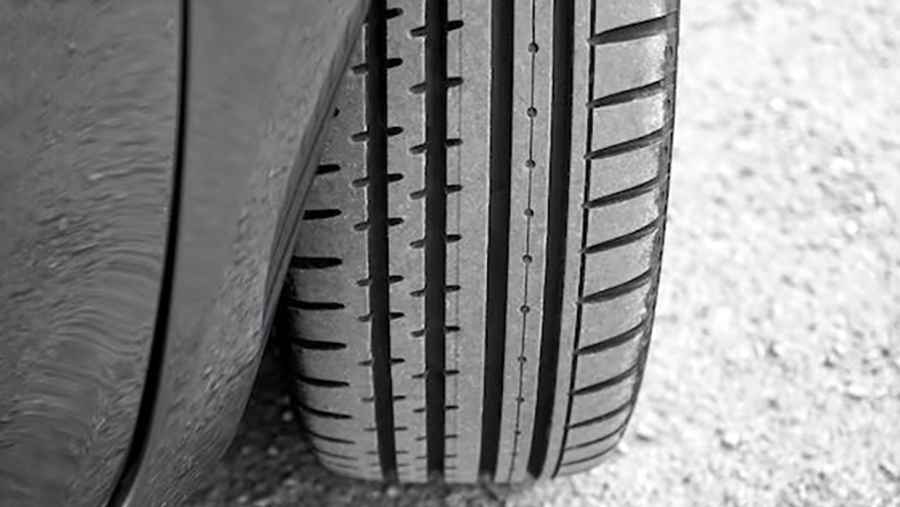
| Expedition Tire Specifications | |
|---|---|
| Casing Type | Light Truck (LT) rating instead of Passenger (P). |
| Load Range | Range E (10-ply) for maximum sidewall protection. |
| Tread Compound | Cut-and-chip resistant for sharp shale and volcanic rock. |
1. Beyond Size: The Importance of LT Rating
The first rule of expedition prep is to ignore Passenger (P-metric) tires. For challenging routes, you must select tires with a Light Truck (LT) designation. LT tires feature heavier construction, thicker sidewalls, and deeper treads designed to handle the increased weight of a loaded expedition rig. While they offer a stiffer ride on asphalt, their ability to resist punctures from sharp rocks in remote canyons is an essential safety feature.
2. Sidewall Integrity and Load Range
In off-road environments, most tire failures occur in the sidewall, not the tread. When selecting tires, check the Load Range. A Load Range E tire features a 10-ply equivalent construction, providing a robust internal structure that can withstand the lateral stresses of steep mountain hairpins and the constant abrasion of ruts. This higher rating also allows you to safely lower your tire pressure (airing down) to increase your contact patch on soft sand or mud without risking a pinched sidewall.
3. Tread Patterns: All-Terrain vs. Mud-Terrain
Your choice of tread should be dictated by the most extreme condition you expect to encounter.
- All-Terrain (A/T): Ideal for a mix of highway and gravel. Modern A/T tires offer excellent performance in rain and light snow while maintaining enough mechanical grip for moderate off-roading.
- Mud-Terrain (M/T): Essential if your route includes deep mud, clay, or loose shale. The aggressive, open-lug pattern is designed to "self-clean" by ejecting debris, ensuring that you always have traction in the most inclement weather conditions.
4. The Danger of Aged Rubber
Price matters, but the age of the tire is more critical than the cost. Even if a tire looks new, the rubber compound degrades over time (dry rot). Check the DOT date code on the sidewall; any tire older than six years should be replaced before a long-distance expedition, as the risk of a catastrophic blowout increases exponentially with age and heat cycles.
5. Mandatory Pre-Trip Safety Audit
Before you embark on your journey, perform a high-precision inspection. Look for bulging, cracking, or any signs of irregular wear that could indicate an alignment issue. Check your spare tire with the same scrutiny as your primary set; it must be a full-size match with the correct air pressure. Lastly, ensure your wheel nuts are torqued to the manufacturer's specification—vibrations on unpaved roads can loosen even the most secure fittings.
Conclusion: Investing in the Contact Point
Selecting the right tires for a high-stakes journey is an investment in your vehicle's performance and your personal safety. By choosing tires with the correct size, LT rating, and load range, you significantly reduce the risk of tire failure in environments where help is not an option. Compare prices from reputable suppliers, but never compromise on quality. Your tires are the foundation of your expedition; make sure they are up to the task.