Comparative Safety Analysis of Global Transit Modes
Selecting the most efficient and safe mode of transit is a fundamental logistical decision for both passenger and freight operations. While certain routes are perceived as high-risk, a technical analysis of fatality rates reveals significant disparities between air, rail, and road transport. Understanding the statistical safety of different vehicles allows for better risk management and operational planning. This guide analyzes the most reliable modes of transportation based on annual incident data and operational safety protocols.
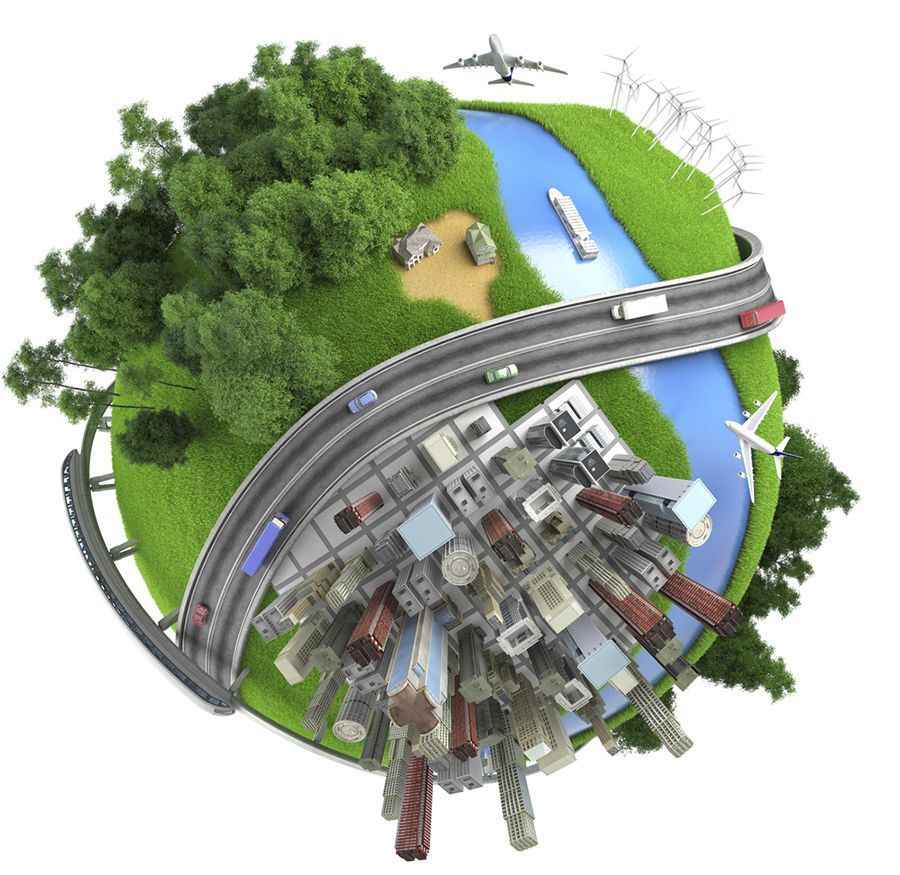
| Safety Statistics by Transit Mode | |
|---|---|
| Aviation | ~176 deaths per 40 million global flights (Highest Safety) |
| Public Bus Transit | 10x safer than private automobile transport |
| Railway Systems | High stability; declining incident rates in the EU and US |
| Motorcycles | ~67 deaths per 100,000 registered vehicles (Highest Risk) |
1. Aviation Logistics: The Benchmark for Operational Safety
Despite public anxiety regarding air travel, commercial aviation remains the safest logistical mode of transport. With approximately 40 million flights completed annually, the fatality rate is remarkably low. This high safety standard is achieved through rigorous mechanical maintenance, strict air traffic control protocols, and redundant safety systems. Whether using commercial carriers or private jets, aviation logistics prioritize incident prevention over speed, making it the statistically superior choice for long-distance transit.
2. Mass Transit and Railway Reliability
Buses and trains represent the safest ground-based transit options. Bus safety is largely attributed to professional driver training and controlled operational speeds. Similarly, railway systems benefit from fixed roads (tracks) that eliminate the risk of unexpected directional shifts or erratic behavior from other motorists. While railway incidents do occur, data from the EU indicates that high-speed and commercial rail systems are increasingly safe due to continuous technological developments in autonomous signaling and collision avoidance.
3. Maritime Safety and Emergency Response
The safety of maritime transport varies significantly between commercial vessels and recreational boats. Large-scale commercial ships and cruises are highly stable and subject to strict international safety regulations. However, the majority of maritime fatalities occur in small, non-commercial recreational vehicles. Professional maritime logistics require a deep understanding of emergency signaling and the use of certified materials to ensure vessel integrity. Knowing how to respond to an emergency and having the correct recovery tools are essential for any sea-based transit.
4. High-Risk Modes: Automobiles and Motorcycles
Private automobiles and motorcycles consistently rank as the most dangerous modes of transportation. Car accidents account for approximately 1.53 deaths per 10,000 vehicles, often caused by speeding, distracted driving, or poor conditions on the roads. Motorcycles present the highest risk profile, with nearly 67 deaths and 1,000 injuries per 100,000 vehicles in the US. The lack of structural protection and the high speeds of modern highways make motorcycle logistics particularly challenging, especially in regions like India or Vietnam where they are the primary transit method.
Conclusion: Data-Driven Choices in Global Transit
Professional transport management requires a realistic assessment of risk. By prioritizing modes with higher safety ràtios, such as aviation and rail, operators can significantly reduce the probability of incidents. For road-based transit, safety depends on strict adherence to traffic laws and the use of well-maintained vehicles. Analyze your routes, understand the risks, and focus on the road. A successful logistical mission is defined by its safety as much as its efficiency.
Image credit: Depositphotos