What Is Reckless Driving And How Can You Avoid It?
According to the National Highway Transportation Safety Administration (NHTSA), reckless driving remains a primary factor in the surge of traffic fatalities across the USA. Statistical data shows that someone loses their life on the road every 24 seconds, highlighting a critical need for stricter adherence to safety protocols. Since the COVID-19 pandemic, fatal collisions rose by 12% in the first three quarters of 2021, despite a decrease in total miles traveled. Understanding the technical definition of reckless conduct and its legal implications is essential for any operator navigating modern roads. This guide analyzes the variables of aggressive driving and provides logistical strategies to prevent mission failure.
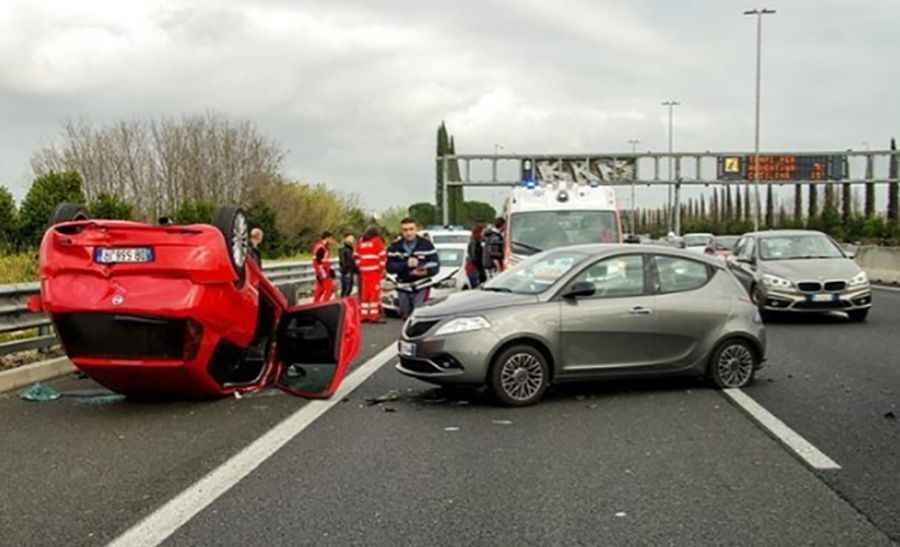
| Reckless Driving Risk Matrix | |
|---|---|
| Major Risk Factor | Distracted driving (Cell phone usage in 10% of cases) |
| Technical Violations | Racing, lane-swerving, and blind curve overtaking |
| Legal Impact | Permanent criminal record in multiple US states |
| Regulatory Speed | California penalties for >100 mph (100% increase in 2021) |
Defining Reckless Conduct in Modern Transit
The technical definition of reckless driving is the operation of a vehicle with a willful disregard for the safety of persons or property. Common examples include driving under the influence of narcotics, unauthorized racing, and passing other vehicles on blind curves. In high-density corridors, swerving and frequent lane changes without signaling create unpredictable hazards. Furthermore, violating school bus stop signals or crossing railroad obstacles are classified as severe operational failures on all roads.
State-Specific Regulatory Frameworks and Legal Logistics
Reckless driving is often classified as a serious crime rather than a simple traffic violation, resulting in a permanent record. Laws vary significantly across the USA. For instance, in Virginia, exceeding 80 mph is automatically classified as reckless. In Illinois, the definition includes purposefully lifting a vehicle into the air, while in Nevada, organizing unlicensed races is punishable by imprisonment. These state-level variations require operators to perform constant research via local DMV or DPS portals to maintain compliance during interstate missions.
Logistical Strategies for Accident Prevention
Mitigating the risk of a reckless driving incident involves proactive defensive strategies. Operators should identify and isolate risky drivers—those weaving through traffic or tailgating—by moving to secondary lanes. Reporting dangerous conduct to the police or using the "How's My Driving?" contact numbers on commercial trailers is a vital part of road safety logistics. Additionally, consistent seatbelt usage remains the most effective internal protocol for reducing injury severity in the event of an unavoidable collision.
Conclusion: Professionalism and Risk Mitigation
Excellence on the roads is defined by the ability to identify and avoid reckless behavior before it leads to a mission failure. By understanding the statistical reality of traffic fatalities and adhering to strict defensive protocols, you protect both the asset and human life. Safety is a continuous process that requires training, situational awareness, and respect for regulatory standards. Stay focused, maintain your buffers, and focus on the road. Professionalism is the ultimate safeguard.