Adventure Riding: Why Motorcycles Outperform Scooters on Remote Routes
Choosing between a scooter and a motorcycle depends on your environment, budget, and the distance of your journey. While scooters are excellent for urban mobility and fuel efficiency, they face severe mechanical limitations when tackling the high-altitude passes and unpaved tracks featured on this website. For a remote expedition, understanding these technical differences is a matter of safety.
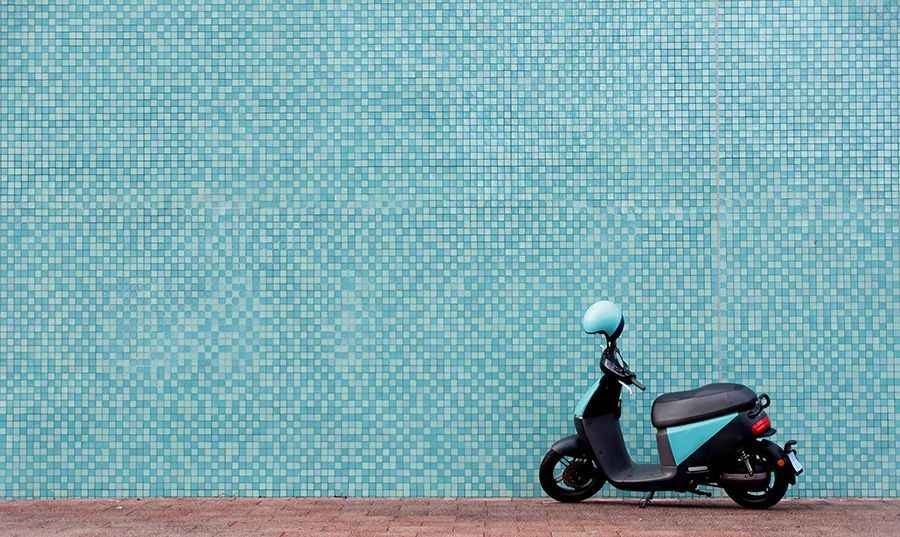
| Technical Limits for Remote Travel | |
|---|---|
| Wheel Stability | Large (Motorcycle) vs. Small (Scooter) |
| Transmission Control | Manual Engine Braking vs. CVT Automatic |
| Fuel Range | High Capacity vs. Limited (< 3.5 gallons) |
| Terrain Suitability | Off-road capable vs. Paved urban roads only |
The Wheel Diameter Problem
Scooters are designed with smaller wheels to improve maneuverability in tight city spaces. However, this makes them significantly less stable than motorcycles on uneven surfaces like dirt, gravel, or wet pavement. On a remote route, a small wheel can easily get trapped in a pothole or lose traction on loose scree, whereas a motorcycle’s larger wheel diameter provides the necessary gyroscopic stability to stay upright.
Transmission and Steep Declines
Most scooters use a Continuously Variable Transmission (CVT), which eliminates the need for a clutch and gear shifting. While convenient for beginners, it is a liability on steep mountain descents. Motorcycles allow for manual gear selection, providing engine braking that prevents brake overheating. Scooters lack this mechanical drag, forcing the rider to rely solely on the brakes, which can lead to "brake fade" on long Andean or Alpine declines.
Fuel Range and Logistics
Scooters typically have a smaller onboard fuel tank, often maxing out at 3.5 gallons. This severely limits their range between refueling stops. On isolated roads where fuel stations are hundreds of kilometers apart, a motorcycle’s higher capacity and better range are essential for survival. Additionally, motorcycles are better suited for carrying heavy panniers and expedition gear required for self-sufficiency.
Safety and Protection
Neither vehicle offers the protection of a car, such as seatbelts or airbags. Motorcycle and scooter accidents often result in more serious injuries compared to automobile crashes. On unpaved and crowded roads, motorcycles can be more difficult to operate smoothly for a novice, but they offer the mechanical resilience needed for the world’s most dangerous tracks.
Conclusion: Which is Right for the Adventure?
If your goal is an exhilarating experience across varying terrains, the motorcycle is the superior tool. Scooters remain a practical, cost-effective, and enjoyable option for city commuting and short-distance travel on paved roads. However, for the routes documented on this site, the technical advantages of a motorcycle—stability, range, and control—are non-negotiable.