Exhaust Integrity: Managing Catalytic Converters on Remote Routes
On a high-altitude expedition, your vehicle’s exhaust system is under constant pressure. While the catalytic converter is a vital component for emissions control, it is also a potential point of failure when subjected to the extreme conditions of remote travel. Understanding how to monitor its health and recognizing the signs of failure is critical to preventing engine damage far from the nearest service center.
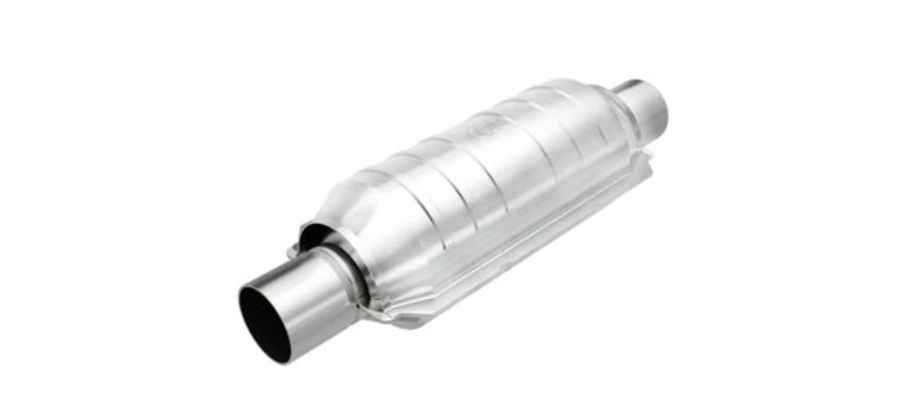
| Catalytic Converter Status Check | |
|---|---|
| Clogging Risk | High in high-altitude/low-oxygen environments. |
| Symptoms | Loss of power, "rotten egg" smell, and excessive heat. |
| Impact | Reduced fuel economy and potential engine stall. |
| Off-Road Hazard | Extreme heat can ignite dry grass under the vehicle. |
1. The High-Altitude Challenge
When driving at extreme elevations, the air-to-fuel ratio changes significantly. If your vehicle’s ECU cannot compensate perfectly, the engine may run "rich," sending unburned fuel into the catalytic converter. This causes the internal honeycomb structure to overheat and eventually melt or clog. For overlanders, a clogged "cat" means a massive loss of power exactly when you need it most—during steep climbs. Monitoring your exhaust temperature is a vital skill in these environments.
2. Fuel Quality and Chemical Contamination
In many regions where the most dangerous roads are located, fuel quality is inconsistent. Leaded fuel or fuel with high sulfur content can "poison" the precious metals (platinum and palladium) inside the converter within a single tank. This leads to an immediate drop in performance and a "Check Engine" light. If you are planning a route through territories with questionable fuel standards, ensuring your exhaust system is in peak condition before departure is mandatory.
3. Fire Hazards in the Wilderness
A failing catalytic converter can reach temperatures exceeding 500°C. In off-road scenarios, such as driving through dry brush or tall grass, this becomes a severe fire hazard. A glowing-hot converter can ignite vegetation underneath the chassis in seconds. Always inspect the area beneath your vehicle during stops and be aware that a struggling engine is likely generating dangerous levels of heat in the exhaust manifold.
4. Maintenance vs. Replacement
While a converter typically lasts 100,000 miles, the vibrations and thermal shocks of expedition travel can shorten this lifespan. If you notice a "rotten egg" odor (hydrogen sulfide) or a rattling sound from the exhaust, the internal structure may have fractured. For the responsible adventurer, replacing a compromised unit is not just about passing emissions tests—it’s about ensuring that the engine can "breathe" during the most grueling sections of the journey.
Conclusion
The catalytic converter is often overlooked until it causes a terminal failure. By maintaining exhaust integrity and understanding how altitude and fuel affect its performance, you protect your engine from unnecessary strain. In the wilderness, a healthy exhaust system is the difference between a successful crossing and a mechanical breakdown.