Overlanding with Pets: Survival and Logistics on the World’s Toughest Routes
Traveling with a dog or cat on an expedition is a massive logistical challenge that goes far beyond basic pet care. When you are crossing the Pamir Highway or navigating the Australian Outback, your pet faces the same risks as you: altitude sickness, extreme dehydration, and isolation from medical help. This guide focuses on the technical and legal requirements for keeping your companion safe on the edge of the map.
| Expedition Pet Checklist | |
|---|---|
| Legal | International Health Certificate & Titre Tests for border crossings. |
| Safety | Crash-tested crates or ISOFIX-anchored harnesses. |
| Health | Altitude acclimatization and wilderness first-aid kits. |
1. International Border Logistics (The Bureaucracy)
Crossing international borders with a pet requires more than just a rabies shot. For remote routes like the Karakoram Highway or trans-African tracks, you must carry a "Pet Passport" with updated Serology Titre Tests. Many countries require these tests to be done 3 months in advance to prove the vaccine is active. Without this, your pet could face a 6-month quarantine or be denied entry at remote checkpoints.
2. High-Altitude and Extreme Climate Management
Pets are susceptible to High Altitude Pulmonary Edema (HAPE) just like humans. If you are tackling 4,000-meter passes in the Andes, watch for signs of lethargy or blue-tinted gums.
The Fix: Hydration must be doubled at altitude. For extreme cold, ensure your vehicle has insulated flooring, as metal floors can cause rapid hypothermia in sleeping pets during desert or mountain nights.
3. Mechanical Safety: Restraint in Off-Road Conditions
In a vehicle roll-over on a steep track like the Sitinjau Lauik, an unrestrained pet becomes a projectile. Standard pet barriers are often not strong enough for 4x4 impacts.
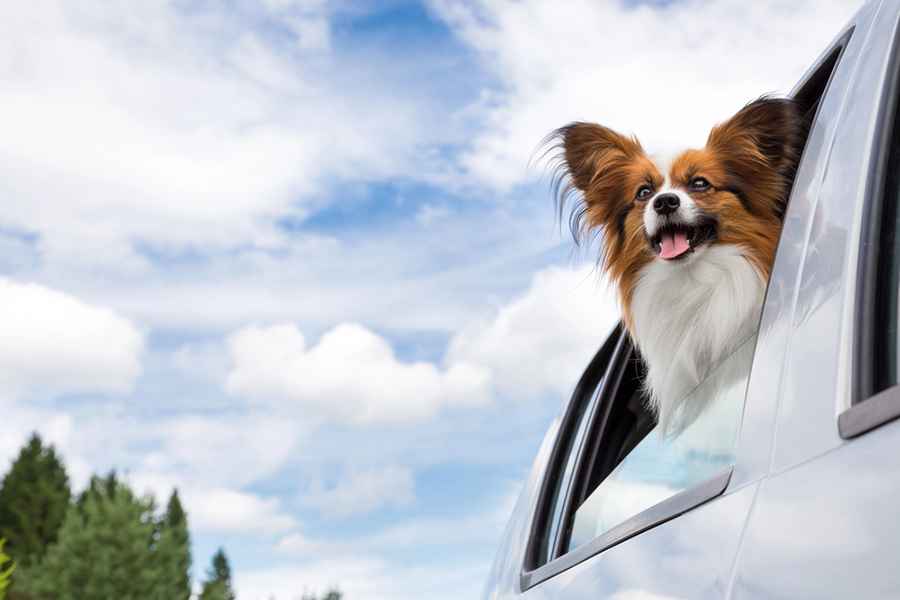
The Fix: Use only crash-tested harnesses anchored to the vehicle’s frame or heavy-duty aluminum crates bolted to the floor. Never let a pet ride with its head out the window in dusty or gravel environments; flying debris can cause permanent ocular damage at expedition speeds.
4. Wilderness First Aid & Toxicity
When you are days away from the nearest vet, you are the medic. Your kit must include tweezers for parasites, saline for eye flushing, and bandages for paw pads damaged by sharp volcanic rock or hot sand. Be hyper-aware of local risks, such as anti-freeze spills at remote truck stops or local fauna that can be lethal to domestic pets.
Conclusion
Exploring the world's most dangerous roads with your pet is a rewarding experience, but it demands military-grade preparation. Resilience is key: if your pet isn't ready for the environment, the expedition ends before it begins.
Image credit: Depositphotos